Watch Haiku #1 Online Free
More Like This

My Haiku
In the deep corners of the night, something is always lurking. Even in the bustling night life of a college campus.
2025
Our Ode to Joy
As his vision fades, a man known only as The Fool journeys inward-through nature, memory, and haiku-to find not just solace in what is slipping away, but meaning in the quiet beauty of being.
2025
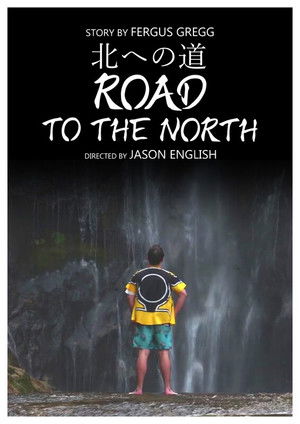
Road to the North
After nearly three years living in Japan, Fergus Gregg finds himself struggling to bid farewell to this beautiful country. On a journey tracing the path of his hero, the poet Matsuo Basho, Fergus decides to trek the northern landscapes of Tohoku. As he travels, he encounters more than he bargained for - facing setbacks, meetings with traditional hunter-gathers, and dances at northern Japan's largest Summer festival. Join Fergus Gregg on his 'Road to the North'.
2025

Llámame Dolores
On the threshold of her old age, Dolores faces a wall full of memories.
2024

Four Haikus
Twelve shots, four sequences. Each of them will try to evoke a feeling, a sensation, an idea, a landscape… just like the iconic and transcendental Japanese poems known as “Haiku”.
2024
FALL
2023
Eternal Return
A poet and a spirit have an ongoing deal: Haiku for life.
2022
Black Power is Green Power
2022
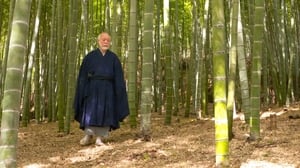
The Voyage of Bashô
A fictionalised documentary about the great Japanese poet Bashô (1644–1694), the spiritual father of haiku poetry. A monk, portraying the poet, journeys through Japan, following Bashô's journal and writing many of his haikus. A ruminant, poetic, Zen Buddhist observation of nature – a return to the lost paradise of unspoilt nature.
2019

Monks
A haiku film poem. the early morning waiting for the monks. the voices. the fire. the wat drum.
2016
circles
a haiku films, a poem by Nha Thuyen
2014
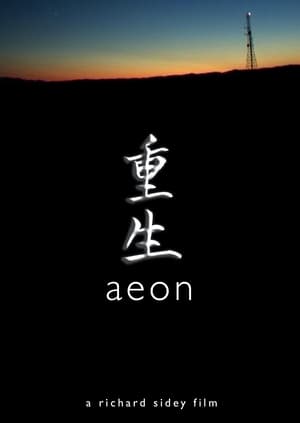
Aeon
Dealing heavily with perceptions of time, Aeon documents the urban cityscape as Wellington transforms through a zen-influenced eternal cycle of birth, life, death and rebirth within a 24-hour period.
2004
Winter Days
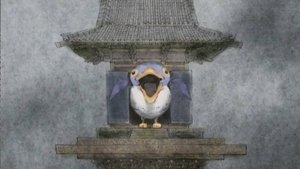
An animated film based on one of the renku (collaborative linked poems) in the 1684 collection of the same name by the 17th-century Japanese poet Bashō. The creation of the film followed the traditional collaborative nature of the source material – the visuals for each of the 36 stanzas were independently created by 35 different animators. As well as many Japanese animators, Kawamoto assembled leading names in animation from across the world. Each animator was asked to contribute at least 30 seconds to illustrate their stanza, and most of the sequences are under a minute (Yuriy Norshteyn's, though, is nearly two minutes long).
2003
My Neighbors the Yamadas
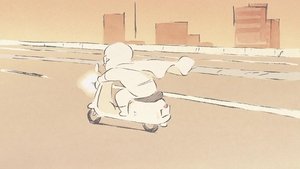
The Yamadas are a typical middle class Japanese family in urban Tokyo and this film shows us a variety of episodes of their lives. With tales that range from the humorous to the heartbreaking, we see this family cope with life's little conflicts, problems, and joys in their own way.
1999

Three Haiku Videos
A collection of three short “video haikus” by Chris Marker. Yanka / Tchaika observes the Seine beneath a bridge; Owl Gets in Your Eyes features Catherine Belkhodja with an owl superimposed in flight; and Petite Ceinture pays homage to the Lumière brothers by filming empty train tracks along Paris’s disused railway.
1994
Tchaïka
Part of Chris Marker’s Three Video Haikus series, Tchaïka is a brief visual meditation showing an overexposed view of a bridge and the river flowing beneath it.
1994
Petite Ceinture
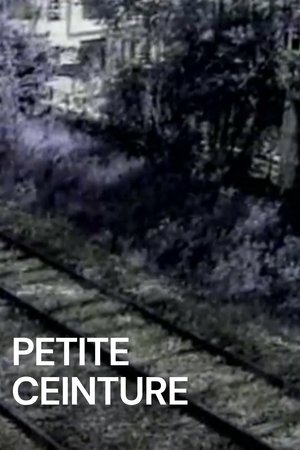
Part of Chris Marker’s Three Video Haikus series, Petite Ceinture is a brief visual meditation on Paris’s abandoned circular railway, filmed as an homage to the Lumière brothers.
1994
Owl Gets in Your Eyes
Part of Chris Marker’s Three Video Haikus series, Owl Gets in Your Eyes observes owls and their young in quiet close-up, capturing their shifting expressions and watchful gaze.
1994

Haiku 27
Wife! Be Like a Rose!
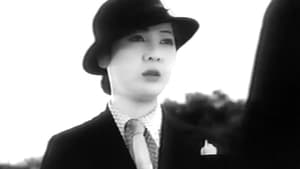
Kimiko, a Tokyo white-collar working girl, lives with her serious, intellectual, haiku-writing mother. Kimiko seeks to marry her boyfriend but needs her absent father to act as the go-between and negotiate the marriage. Kimiko travels and finds her father living with a second family.
1935