Watch Grandpa's Still in the Tuff Shed (2003) Online Free
Award winning documentary filmmakers, Robin, Kathy and Shelly Beeck, with the help of filmmaker Michael Moore, have spent the last five years filming a 60-minute feature-length documentary on Bredo Morstoel, a Norweigan who was frozen by his grandson in 1983. Since then, the world famous...well...stiff has been lying under 800 pounds of dry ice in a TUFF SHED behind his grandsons' castle-like house in the 9000-ft Colorado ski town of Nederland. The grandson, Trygve Bauge, has long since been deported back to Norway, but Grandpa Bredo has remained, unwittingly becoming a worldwide symbol of the legal rights of the temporarily dead....
More Like This
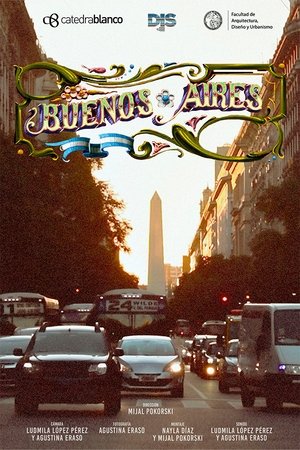
Buenos Aires
This is a short documentary about the old City of Buenos Aires and the new one. It’s an observational piece where the old photos of the same places invite us to live in the old Buenos Aires for a few minutes.
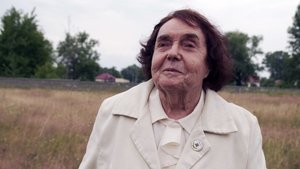
Among Neighbors
Combining magical realism and evocative hand-drawn animation with revelatory interviews and verité footage, "Among Neighbors" examines the story of a small, rural town where Jews and Polish Catholics lived side by side for centuries before World War II. The film brings the Polish response to the Holocaust to life through the last living eyewitnesses, revealing both love and betrayal as it zeroes in on one of the last living Holocaust survivors from the town, and an aging eyewitness who saw Jews murdered there — not by Nazis, but by her own Polish neighbors. Produced and directed by award-winning filmmaker Yoav Potash ("Crime After Crime," Sundance Film Festival).
2024

Maverick from the Edge
Joža Čop, an illiterate man of the people, earned great respect from his fellow compatriots. He once famously said: "I’ve never climbed for fame and newspapers, so that people could wipe their asses with me." The film is also a story of the cradle of Slovenia's intellectual and sporting elite, Slovenian vitality, confidence and national pride.
2024
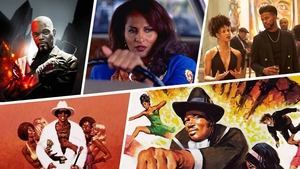
Is That Black Enough for You?!?
A look at the Black revolution in 1970s cinema, from genre films to social realism, from the making of new superstars to the craft of rising auteurs.
2022
Illuminated: The True Story of the Illuminati
The true historical account of the Illuminati, exposing the actual rituals of the secret society, and answering the age-old question of whether or not the order still exists.
2019
Soviet Hippies
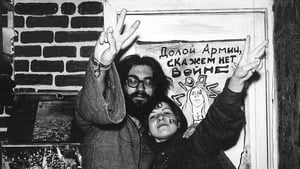
The hippie movement that captivated hundreds of thousands of young people in the West had a profound impact on the other side of the Iron Curtain. Within the Soviet system, a colorful crowd of artists, musicians, freaks, vagabonds and other long-haired drop-outs created their own system, which connected those who believed in peace, love, and freedom for their bodies and souls. More than 40 years later, a group of eccentric hippies from Estonia take a road trip to Moscow where the hippies still gather annually on the 1st of June for celebration that is related to the tragic event in 1971, when thousands of Soviet hippies were arrested by the KGB. The journey through time and dimensions goes deep into the psychedelic underground world in which these people strived for freedom.
2017
Pyhä
2017
The Greatest Knight - William the Marshal
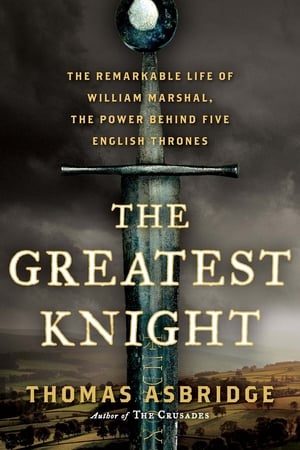
The fascinating story of knighthood, told through the extraordinary life and times of William Marshal, whom many consider the world's greatest knight. From Europe's medieval castles to the holy city of Jerusalem, presenter Thomas Asbridge explores William's incredible life, revealing a rip-roaring adventure story in the spirit of King Arthur's Knights of the Round Table. In a career that spanned half a century, this English soldier and statesman served some of Christendom's greatest leaders, from Eleanor of Aquitaine to Richard the Lionheart. Marshal fought in battles across Europe, survived court intrigue and exile, put his seal to the Magna Carta and proved to be the best friend a king could have, remaining loyal to those he served through disaster and victory. Then at the age of 70, despite all the odds, he saved England from a French invasion.
2014
Freak Out!
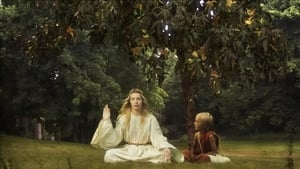
Long-haired, barefoot people. Free love! Veganism! Experiments with drugs... The sixties, right? Not quite. In 1900 a group of middle class kids revolted against their time and started the original alternative community - Monte Verità, the mountain of truth. A community based on veganism, feminism, pacifism and free love. This creative documentary mixes interviews, archive and animation in a beautiful combination bringing you straight back to the early 1900 as seen through the eyes of these young radicals. The documentary Freak Out tells the untold story of the birth of the alternative movement and unfold the uncanny similarities between our time and what they revolted against in the early 1900s.
2014
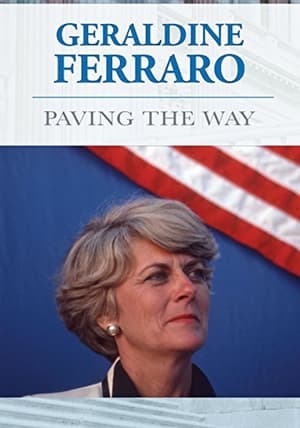
Geraldine Ferraro: Paving The Way
A documentary by Donna Zaccaro about the political trailblazer, Geralidine Ferraro. Featuring interviews with Bill and Hillary Clinton, George and Barbara Bush, Walter Mondale, and Geraldine Ferraro herself, among others, this is a heartwarming and engrossing portrait of the first woman who was nominated for vice president, whose legacy still reverberates today.
2013
Lágrimas rojas
2006
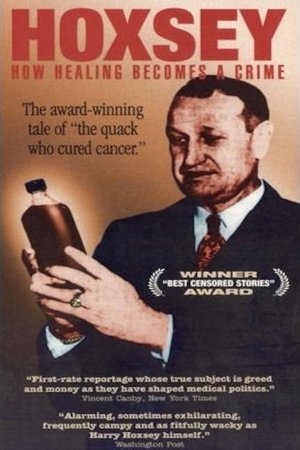
Hoxsey: When Healing Becomes a Crime
In the 1920s, former coal miner Harry Hoxsey claimed to have an herbal cure for cancer. Although scoffed at and ultimately banned by the medical establishment, by the 1950s, Hoxsey's formula had been used to treat thousands of patients, who testified to its efficacy. Was Hoxsey's recipe the work of a snake-oil charlatan or a legitimate treatment? Ken Ausubel directs this keen look into the forces that shape the policies of organized medicine.
2005

West Point: The First 200 Years
A documentary about the United States Military Academy at West Point that conveys the vibrancy, sense of fraternity and fierce loyalty that mark the West Point experience.
2002
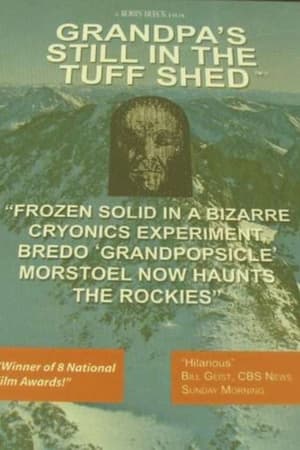
Grandpa's in the Tuff Shed
It adroitly tells the story of a "counter culture" young man who when his grandfather dies, packs the body in dry ice, and stores him in a Tuff Shed, waiting for the time when advances in modern medicine can bring him back to life. I am not making this up. Then our young men gets deported back to Norway on unrelated charges. Then, quite a while later, people look up and take notice ... "Hey ... there appears to be a frozen dead guy in that shed over there."
1998
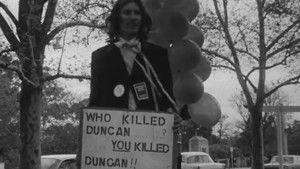
Pride & Snide
A contrast between two kinds of attitudes to gay liberation in Adelaide.
1976
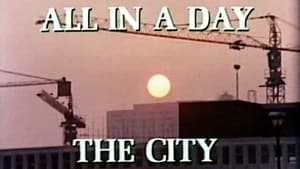
All in a Day: The City
Documentary film, without commentary, looking at events in Sheffield on 5th September 1973. Steelworkers retire, babies are born, there are fashion shows and council meetings, crashed lorries and policemen on the beat.
1973

The Gratinated Brains of Pupilija Ferkeverk
Plotless and wordless, beautifully edited shots of young (often naked or semi-naked) people in various positions, illustrating different emotions, actions and situations, underlined by rock music.
1971
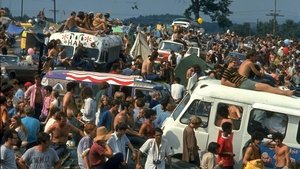
Woodstock
An intimate look at the Woodstock Music & Art Festival held in Bethel, NY in 1969, from preparation through cleanup, with historic access to insiders, blistering concert footage, and portraits of the concertgoers; negative and positive aspects are shown, from drug use by performers to naked fans sliding in the mud, from the collapse of the fences by the unexpected hordes to the surreal arrival of National Guard helicopters with food and medical assistance for the impromptu city of 500,000.
1970
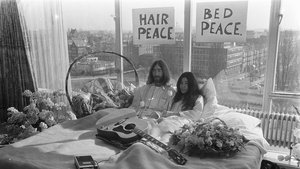
Bed Peace
John and Yoko in the presidential suite at the Hilton Amsterdam, which they had decorated with hand-drawn signs above their bed reading "Bed Peace." They invited the global press into their room to discuss peace for 12 hours every day.
1969
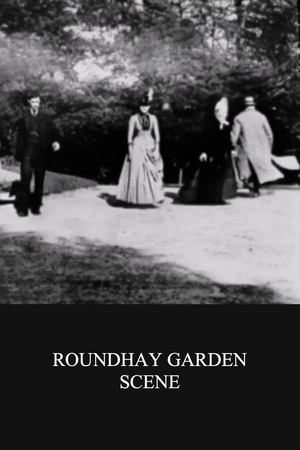
Roundhay Garden Scene
The earliest surviving motion-picture film, and believed to be one of the very first moving images ever created, was shot by Louis Aimé Augustin Le Prince using the LPCCP Type-1 MkII single-lens camera. It was taken on paper-based photographic film in the garden of Oakwood Grange, the Whitley family house in Roundhay, Leeds, West Riding of Yorkshire (UK), on 14 October 1888. The film shows Adolphe Le Prince (Le Prince’s son), Mrs. Sarah Whitley (Le Prince’s mother-in-law), Joseph Whitley, and Miss Harriet Hartley walking around in circles, laughing to themselves, and staying within the area framed by the camera. Roundhay Garden Scene is often associated with a recording speed of around 12 frames per second and runs for about 2 to 3 seconds.
1888