Watch Glancing At Power (2019) Online Free
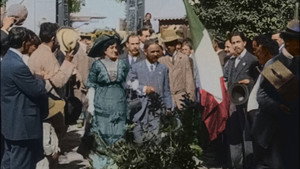
An emotional journey through the film archives of the Mexican Revolution, ranging from Venustiano Carranza's administration to the creation of the PNR party by Plutarco Elias Calles.
More Like This
Uprising
Through an AI-driven reinterpretation of Mexican Revolution footage captured by the country's cinema pioneers, this documentary offers a fresh look at a pivotal historical moment. It traces the movement's rise, peak, and fall, the birth of a new nation, and invites us to question the narratives that have shaped our identity and the present we inhabit.
2026
Red Autumn
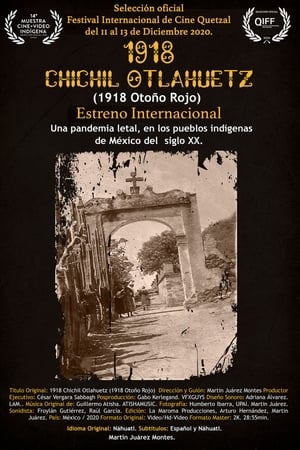
Historical heritage documentary about the disease that, 100 years ago, occurred during and after the Mexican Revolution. This film presents real testimonies of this cruel pandemic in the indigenous peoples of Mexico in the 20th century.
2020

Amorous Pancho Villa
The assassination of Pancho Villa, on the outskirts of Parral, Chihuahua, plunged the city into mourning, and a wake for the revolutionary hero was held by his closest collaborators. Conspicuous among the mourners were the four women with whom Villa was having intimate relationships at the time of his death. Now that Villa is no longer around to mediate and keep them apart, tensions between the women grow and intensify, with unexpected consequences. An intimate and human portrait of the Centaur of the North.
2013
The Storm That Swept Mexico
The Storm That Swept Mexico tells the gripping story of the Mexican Revolution of 1910, the first major political and social revolution of the 20th century. The revolution not only changed the course of Mexican history, transforming economic and political power within the nation, but also profoundly impacted the relationships between Mexico, the U.S. and the rest of the world.
2011
The History in the Gaze
The film portraits the stage previous to the outbreak of the Mexican Revolution, from the end of Porfirio Díaz´ government, the social volatility, the ephemeral government of Madero and the presence of the working class in the figures of Villa and Zapata, until the signing if the Constitution of 1917. All of this through moving images, filmed during those events mainly by the Alva brothers, filmmakers of that time. Those images let us perceive the contradictory and shuddered glance of the people of that period.
2011
Se está volviendo gobierno (1915-1919)
Chapter 4 of the series 18 decades of life in Mexico in the twentieth century. Images of the cultural, social and political life in Mexico between 1915 and 1919.
1992
Y vino el remolino (1910-1914)
Chapter 3 of the series 18 decades of life in Mexico in the twentieth century. Images of the cultural, social and political life in Mexico between 1910 and 1914, and the beginning of the major armed conflict that marked the future of the Mexican nation.
1991
Ballad of an Unsung Hero
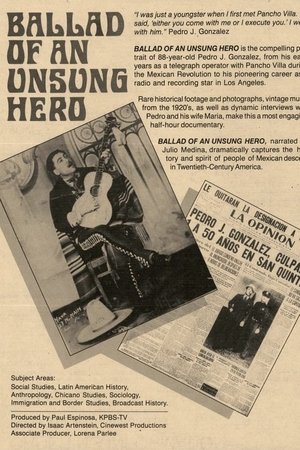
Using rare historical footage, vintage musical recordings, and interviews with 88-year-old Pedro J. Gonzalez and his wife, this film chronicles Gonzalez’s long and colorful life, from his early days with Pancho Villa during the Mexican Revolution, to his career as a popular radio personality in Los Angeles in the 1930s, to the controversial court case that sent him to San Prison, a victim of the repressive forces operating against the Chicano/Mexicano community during that period.
1983
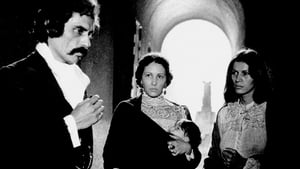
Pedro Páramo, el hombre de la Media Luna
Juan Preciado, son of Pedro Páramo, goes to Comala to claim his inheritance; but when he arrives he finds an abandoned and sinister town, inhabited by mysterious voices and whispers…
1978
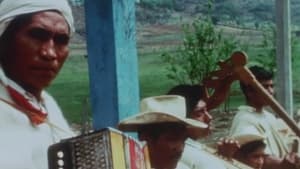
Mexico: The Frozen Revolution
A thorough analysis of the socio-politics of Mexico, within the historical context of the Mexican Revolution reality. Includes footage from the 1910s, interviews with farmers, politicians, intellectuals, middle class, union, etc, as well as scenes from the life of an Indian family in Chiapas, their religious rituals, their crops, trials and bilingual schools. The film ends with the slaughter in the Plaza de Tlatelolco in 1968, during the infamous Olympics.
1973
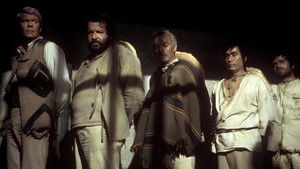
The 5-Man Army
At the behest of local revolutionaries, a mercenary enlists four specialists in various combat styles to help him rob a Mexican Army train carrying $500,000 in gold.
1969
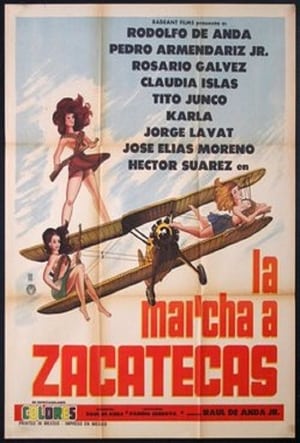
La marcha a Zacatecas
Villistas, army officers, heirs and heiresses all gather at the home of a recently deceased hacendado. Everybody has an agenda, everybody butts heads in comical ways. Or not so much.
1969
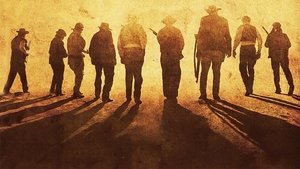
The Wild Bunch
An aging group of outlaws look for one last big score as the "traditional" American West is disappearing around them.
1969
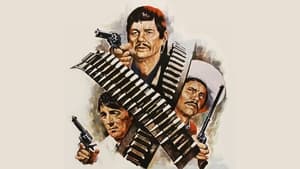
Villa Rides
Pulled into the Mexican Revolution by his own greed, Texas gunrunner and pilot Lee Arnold joins bandit-turned-patriot Pancho Villa and his band of dedicated men in a march across Mexico battling the Colorados and stealing women's hearts as they go. But each has a nemesis among his friends: Arnold is tormented by Fierro, Villa's right-hand-man; and Villa must face possible betrayal by his own president's naiveté
1968
Epopeyas de la revolución
A documentary of exceptional historical value featuring actual footage captured by Jesús H. Abitia, who witnessed the pivotal events of the Mexican Revolution firsthand. In scenes brimming with realism, Madero, Porfirio Díaz, General Obregón, Lázaro Cárdenas, and other key figures in our history parade before the eyes of the viewer, who, captivated, finds themselves transported to the heart of the Mexican Revolution to experience firsthand the events that unfolded in the country between 1913 and 1917.
1964
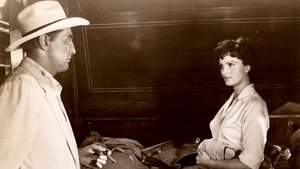
Bandido!
American arms dealer Kennedy hopes to make a killing by selling to the "regulares" in the 1916 Mexican revolution. American mercenary Wilson favors the rebel faction headed by Escobar, and they plot to hijack Kennedy's arms; but Wilson also has his eye on Kennedy's wife. Raids, counter-raids, and escapes follow in a veritable hail of bullets.
1956
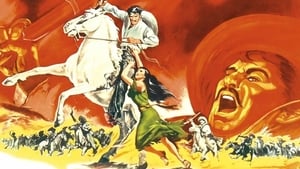
Viva Zapata!
The story of Mexican revolutionary Emiliano Zapata, who led a rebellion against the corrupt, oppressive dictatorship of president Porfirio Díaz in the early 20th century.
1952
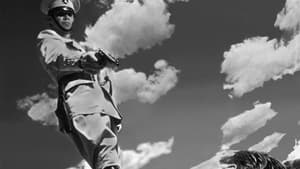
One Day of Life
A story about two men caught in the Mexican revolution: close friends before, but now on the opposite sides. One of them is military officer, while the other one expects capital punishment. The prisoner's mother comes to visit his son, unaware that his former best friend is now his enemy.
1950

Memories of a Mexican
A history of the Mexican Revolution (1910-17), narrated through the striking images of the enormous film archive of Salvador Toscano (1872-1947), pioneer of Mexican cinema, compiled by his daughter, Carmen Toscano.
1950
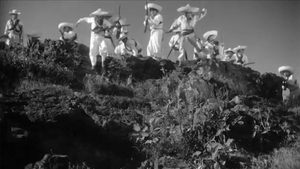
The Underdogs
During the Mexican Revolution, the people tired of living in poverty and enduring the atrocities committed by the federals, decide to follow one of their own, General Demetrio Macias, a thief with tricks he learned in jail and who along with "La Pintada" decides to take his people to victory. Led by Captain Anastacio Montañez, the newly formed army fight and honor their code at the same time as they loot houses to spread the wealth.
1940