Watch FUCK TV (2019) Online Free
After concluding the now-legendary public access TV series, The Pain Factory, Michael Nine embarked on a new and more subversive public access endeavor: a collaboration with Scott Arford called Fuck TV. Whereas The Pain Factory predominantly revolved around experimental music performances, Fuck TV was a comprehensive and experiential audio-visual presentation. Aired to a passive and unsuspecting audience on San Francisco’s public access channel from 1997 to 1998, each episode of Fuck TV was dedicated to a specific topic, combining video collage and cut-up techniques set to a harsh electronic soundtrack. The resultant overload of processed imagery and visceral sound was unlike anything presented on television before or since. EPISODES: Yule Bible, Cults, Riots, Animals, Executions, Static, Media, Haterella (edited version), Self Annihilation Live, Electricity.
More Like This
Amor
Landscapes revealed themselves through text, paper through movement, while the sun gave them relief. This is a journey across found words, enunciating a discovery, their textures constructing the sea and the waves, in a travelogue from the first exploration, the first step over the sand towards the shore. “Amor” writes this joy to underline it in its time, captured on paper. This film has been composed through a scanner, and it’s the first chapter of the “Reír al Sol” series.
2025

The Mollie Project
"When Mollie's routine between a real and surreal gets interrupted by an uncalled visitor, the line between reality and dream blurs."
2025
Cinemaker
Two children are directed by a cinemaker.
2024
Lugar de Nadie
2024
Inside Voices
A short experimental film about the human race taking over nature.
2023

Cartas de Arapuca
2023

Demasked
A short stream of consciousness of a man who is drinking Absinthe to blur the lines between dominant and submissive identity.
2022
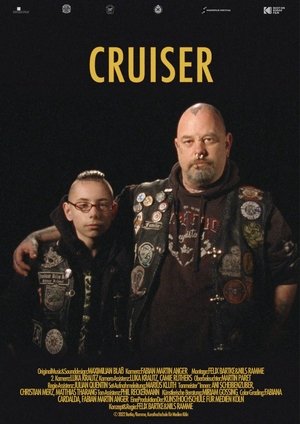
Cruiser
Jan receives the group patch at the campfire, Herkules brews up some tea in the workshop and Sidney gets a mohawk haircut done by his father. The film shows fragments from an Oberhausen subculture in which symbols and practices of the outlaw motorbiker scene are transferred to cycling.
2022
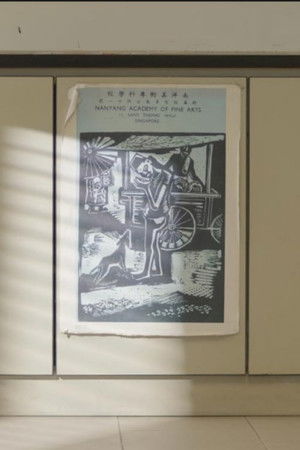
Proximities
Proximities focuses on the trope of the Malay Boy found in the works of Singaporean artist Cheong Soo Pieng (b. 1917-1983). It attempts to locate the Malay male in art history while unpacking underlying systems of power that have shaped and naturalised the understanding of difference.
2022
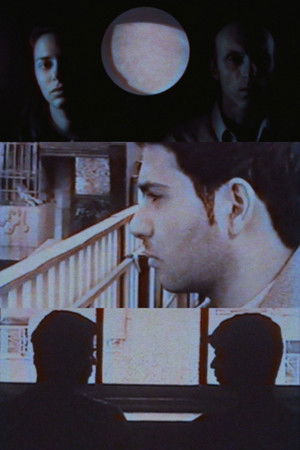
Homo Sapiens Project (201) (2002-2021)
Homo Sapiens Project (201) was completed in 2021 as part of re-envisioning and restructuring Rashidi's filmography. This nineteen-hour experimental feature is constituted from many feature films produced between 2002 to 2014. These experimental features were made as a type of test or trial experiment. Rashidi assembled the films from footage accumulated over the years, archival footage, found footage and rushes donated by his close collaborators.
2021
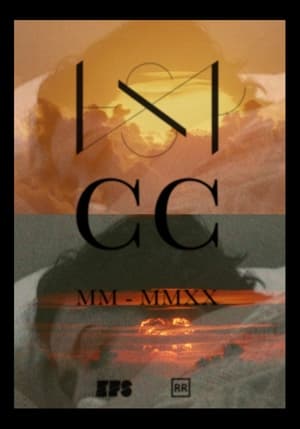
Homo Sapiens Project (200) (2000-2020)
Homo Sapiens Project (200) was completed in 2020 as part of the 20th anniversary of Experimental Film Society. This eight-hour experimental feature is constituted from short film experiments made between 2000 to 2010. These films have already undergone many metamorphoses over the years. They were always restless wandering spirits seeking a permanent place of rest but so far without success. Each section of Homo Sapiens Project (200) was made under the unique condition of living out a form of subtle therapeutic practice. Collectively they reflect major life-changing events, formalistic mutations and thematic shifts within Rouzbeh Rashidi’s filmography. In spite of this, they could not find the peace of a satisfactory final shape. Indeed, they are about peace, something that rarely (if ever) exists within Rashidi’s work. But now, after twenty years of roaming the subconscious, they have come to rest in a permanent retirement in one world, one very personal floating planet.
2020
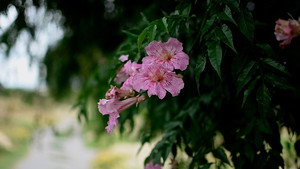
Landscape dynamics
An investigation about human intervention in nature, from the subjective point of view of the camera, the environment and its transformation are observed.
2020
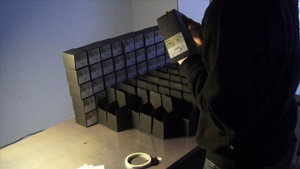
ENTRANCE
This is an installation documentary created in 2015. The quiet process of making boxes indoors reflects the author's patience and caution, the narration when the screen is black reflects the author's familiarity and confidence in what he wants to express, and the dodging perspective and trembling picture when facing the crowd outdoors reflect the photographer's cramped and alienated. A lot of things happened after 2015, and the film was re-edited. The current version has almost used the best materials of that year.
2015

Destruction of the Berlin Wall
Filmed in Berlin, July 1990. Images of workers taking down the wall and street peddlers selling pieces of it to make a living.
2014

Flooded McDonald’s
Flooded McDonald's is a new film work in which a convincing life-size replica of the interior of a McDonald's burger bar, without any customers or staff present, gradually floods with water.
2009

The Nines
A troubled actor, a television show runner, and an acclaimed videogame designer find their lives intertwining in mysterious and unsettling ways.
2007
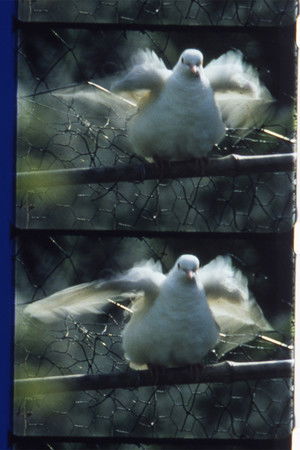
Côté jardin
A quick view of three remarkable organic gardens: Le Tomple, Le jardin du Mas d’Abri in the department of Gard and Le jardin des Sambucs in the department of Hérault. The film goes over their general layout along pathways amongst the vegetation, ponds and people or animals that happen to be there at the time.
2007
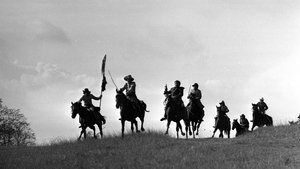
American Torso
In the final days of the American Civil War, an emigre Hungarian military officer attempts to map the situation of the enemy. Many veterans of the 1848 War of Independence in Hungary fought on the northern side. Experienced Fiala, Boldogh who struggles with homesickness and the reckless Vereczky all experience their enforced emigration in different ways and news of impending peace elicits different reactions from them all.
1975
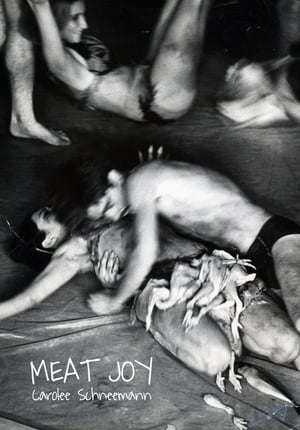
Meat Joy
"Meat Joy is an erotic rite — excessive, indulgent, a celebration of flesh as material: raw fish, chicken, sausages, wet paint, transparent plastic, ropes, brushes, paper scrap. Its propulsion is towards the ecstatic — shifting and turning among tenderness, wildness, precision, abandon; qualities that could at any moment be sensual, comic, joyous, repellent. Physical equivalences are enacted as a psychic imagistic stream, in which the layered elements mesh and gain intensity by the energy complement of the audience. The original performances became notorious and introduced a vision of the 'sacred erotic.' This video was converted from original film footage of three 1964 performances of Meat Joy at its first staged performance at the Festival de la Libre Expression, Paris, Dennison Hall, London, and Judson Church, New York City."
1964
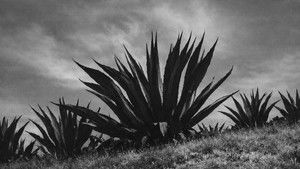
Magueyes
Experimental filmmaker Rubén Gámez explores the iconography of the maguey plant in Mexican cinematic history.
1962