Watch Feed Your Head (2010) Online Free
What causes mental illness? Do our thoughts, moods, and behaviours depend upon what we eat? Psychiatrists Abram Hoffer and Humphry Osmond met in Saskatchewan in 1951. They set out to prove that the symptoms of schizophrenia could be controlled with healthy, unprocessed food and large doses of vitamins. 60 years later, it looks like they may have been right.
Cast
Abram Hoffer
More Like This
Disconnected
Recovering from mental illness is a hard step to take, but what does it feel like to take this step?
2025
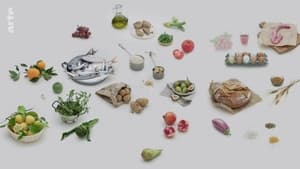
The Perfect Meal
A food-loving and scientific tribute to the Mediterranean diet and, not least, the liquid gold: olive oil.
2023

Petrichor
Marked by childhood trauma, three women from different generations living with an eating disorder try to get back to life.
2022
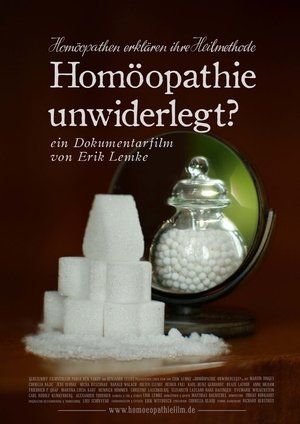
Homeopathy Unrefuted?
Despite the homeopathic doctors studying medicine, they treat their patients against the basis of scientific knowledge. Allegations of fraud surround the topic. In the film, homeopaths embark on adventurous explanations of their popular belief system.
2021
Gary Gulman: The Great Depresh
In his first HBO comedy special, Gary Gulman offers candid reflections on his struggles with depression through stand-up and short documentary interludes. While speaking to issues of mental health, Gulman also offers his observations on a number of topics, including his admiration for Millennial attitudes toward bullying, the intersection of masculinity and sports, and how his mother's voice is always in his head.
2019

Beyond Hoarding
"Beyond Hoarding" takes a fresh look at hoarding through the experiences of people afflicted with this compulsion. Mental health experts shed light on this psychiatric disorder which is treatable.
2019
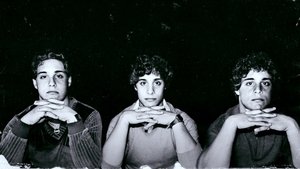
Three Identical Strangers
New York, 1980. Three complete strangers accidentally discover that they're identical triplets, separated at birth. The 19-year-olds' joyous reunion catapults them to international fame, but also unlocks an extraordinary and disturbing secret that goes beyond their own lives – and could transform our understanding of human nature forever.
2018
Fasting
Fasting may serve as the solution to solve our epidemic of chronic illnesses today. However, most think of only one method of fasting when they hear the term ‘fasting.’ This documentary explores 7 different methods of fasting including Time-Restricted Feeding, Intermittent & Prolonged Fasting, Long-Term Water Fasting, Religious Fasting, Eating Disorders, Improvising or Fasting Unsafely, Fasting Mimicking Diet, and Juice Fasting. The film interviews 54 people including the world’s leading scientists and medical professionals on fasting, as well as individuals who used fasting to treat obesity, diabetes, cancer, cardiovascular problems, skin problems, high blood pressure, chronic headaches, joint pain, and many others. This feature motion picture is the most comprehensive and objective look at fasting on film.
2017

The Blood Is at the Doorstep
After Dontre Hamilton, a black, unarmed man diagnosed with schizophrenia, was shot 14 times and killed by police in Milwaukee, his family embarks on a quest for answers, justice and reform as the investigation unfolds.
2017
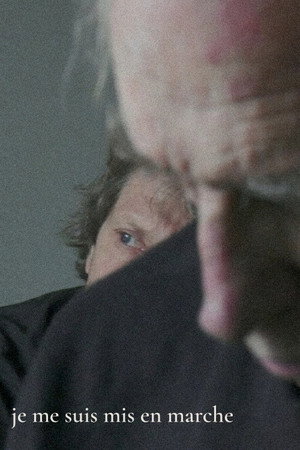
I Set Out
In the 1980s, writer, poet, radio personality and football enthusiast Franck Venaille is diagnosed with Parkinson's disease. He decides to travel the length of the Scheldt river, to dip his hands in its source, and brings back the long epic poem La Descente de l'Escaut. Today, the disease has progressed, but Venaille still spends much of his time working in the study where he wrote the text. Je me suis en marche is both a road movie weaving together the poem, Venaille now and during his journey, and a documentary adaptation of the epic odyssey of a sick man retracing a river across 450 kilometres.
2015
Fat, Sick & Nearly Dead 2
Joe Cross took viewers on his journey from overweight and sick to healthy and fit via a 60-day juice fast in the award-winning Fat Sick and Nearly Dead. With Fat, Sick & Nearly Dead 2, he looks at keeping healthy habits long-term.
2014

Super Juice Me!
The world is facing a “pandemic” of chronic disease – heart disease, diabetes, cancer, obesity, asthma, kidney and liver disease, Alzheimer’s, autoimmune diseases, allergies and skin conditions and many, many more. This year more than 36 million people will die from degenerative conditions – more than from all other causes put together*, and that number is expected to rise to over 50 million within 15 years. At the same time, the amount spent trying to treat these diseases with pharmaceutical drugs is expected to rise by 50% to more than $1.2 trillion! One summer Jason Vale took eight people who collectively suffered from 22 different chronic diseases and put them on his ‘Juice Only’ diet for 28 days. Could these different diseases with their many different prescribed drugs be improved and even cured by one thing? Maybe it’s time to get Super Juiced!
2014
The Governance of Love
What if, instead of bombs, we dropped watermelons? Dreamy and hopeful, this animated short sweeps us up into a colourful world where layers of reality and creativity intersect. Our protagonist navigates through it all seamlessly, and in the process shows us the importance of imagination.
2013
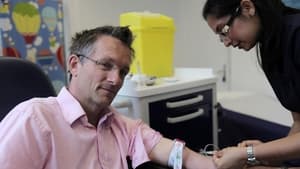
Eat, Fast and Live Longer
British journalist and physician Michael Mosley sets an ambitious goal: to become healthier and lose weight while making as few changes as possible to his life. In working toward these goals, Mosley discovers a powerful new science behind the old idea of fasting, a program that still allows him to enjoy his favorite foods. He takes a road trip across the U.S. to investigate how a little hunger can turn on the body’s “repair genes” and, of course, tries the new science himself. Mosley learns that a diet based on feast and famine has powerful effects on the body, reducing the risks of heart disease, diabetes and some cancers. The diet seems to pack the anti-aging clout of calorie restriction while still allowing for a taste of the good life. And it turns out to be not only good for the body; it may also be good for the brain.
2012
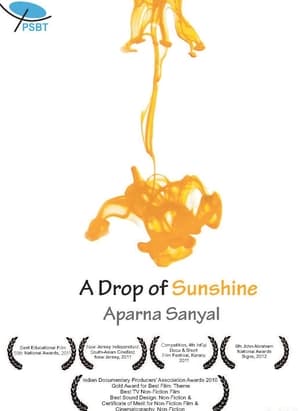
A Drop of Sunshine
Schizophrenia. It may be one word, but it immediately conjures up multiple connotations. Mad. Incurable. Violent. Suicidal. Chemical imbalances. Crazy. A lifelong condition. Inevitable dependency on Medicines. Dark. Terrible. 'A Drop of Sunshine' challenges these notions. It questions the mainstream view of the condition and seeks alternate ways of recovering from it. Through the powerful story of its young and gutsy protagonist, Reshma Valiappan, it seeks to give viewers a new vocabulary to address the stigmatized mental illness. The film proposes that the only treatment method that can work in Schizophrenia is one where the so-called 'patient' is encouraged and empowered to become an equal partner in the process of healing.
2011
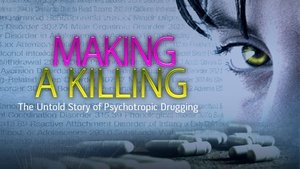
Making a Killing: The Untold Story of Psychotropic Drugging
Psychotropic drugs. It’s the story of big money-drugs that fuel a $330 billion psychiatric industry, without a single cure. The cost in human terms is even greater-these drugs now kill an estimated 42,000 people every year. And the death count keeps rising. Containing more than 175 interviews with lawyers, mental health experts, the families of victims and the survivors themselves, this riveting documentary rips the mask off psychotropic drugging and exposes a brutal but well-entrenched money-making machine. Before these drugs were introduced in the market, people who had these conditions would not have been given any drugs at all. So it is the branding of a disease and it is the branding of a drug for a treatment of a disease that did not exist before the industry made the disease.
2008
This Beggar's Description
It's a sensitive, moving doc chronicling the life of Tétrault's brother Philip , a Montreal poet, musician and diagnosed paranoid schizophrenic. A promising athlete as a child, Philip began experiencing mood swings in his early 20s. His extended family, including his daughter, share their conflicted feelings love, guilt, shame, anger with the camera. They want to make sure he's safe, but how much can they take?
2006
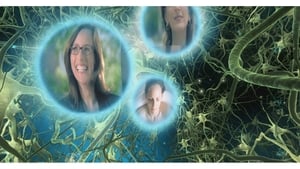
What the #$*! Do We (K)now!?
Amanda is a divorced woman who makes a living as a photographer. During the Fall of the year Amanda begins to see the world in new and different ways when she begins to question her role in life, her relationships with her career and men and what it all means. As the layers to her everyday experiences fall away insertions in the story with scientists, and philosophers and religious leaders impart information directly to an off-screen interviewer about academic issues, and Amanda begins to understand the basis to the quantum world beneath. During her epiphany as she considers the Great Questions raised by the host of inserted thinkers, she slowly comprehends the various inspirations and begins to see the world in a new way.
2004
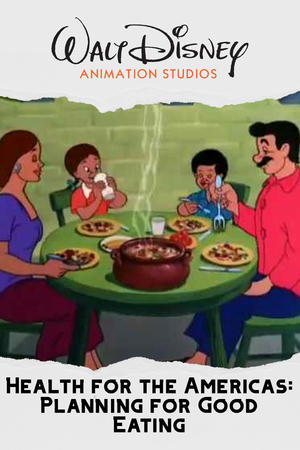
Health for the Americas: Planning for Good Eating
An educational short from Disney on the importance of good nutrition.
1946

Häxan
Grave robbing, torture, possessed nuns, and a satanic Sabbath: Benjamin Christensen's legendary film uses a series of dramatic vignettes to explore the scientific hypothesis that the witches of the Middle Ages suffered the same hysteria as turn-of-the-century psychiatric patients. But the film itself is far from serious-- instead it's a witches' brew of the scary, gross, and darkly humorous.
1922