Watch Eugenia Grandet (1977) Online Free
Adaptation of the famous Balzac novel
Cast
Carmen Maura, José María Rodero, Eusebio Poncela
More Like This
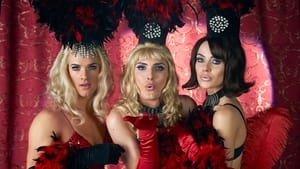
Carlotta
How many working class Balmain boys grow up to be showgirls? Not just any showgirl but a household name, a legend of Kings Cross, a daytime TV star, and a symbol of generational change.
2014
Intimate Betrayal
When her brother is murdered, a young reporter sets out to find his killer. She is comforted by his boss, a wealthy computer magnate, until her investigation slowly points to him.
2004
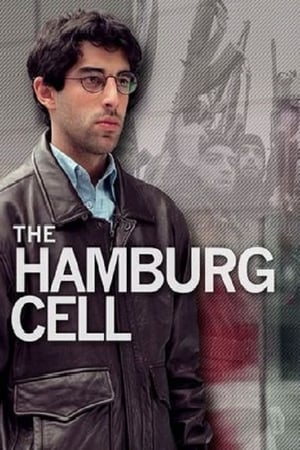
The Hamburg Cell
A fictionalized account of the September 11 hijackers.
2004

Balzac and the Little Chinese Seamstress
During the Cultural Revolution, two young men are sent to a remote mining village where they fall in love with the local tailor's beautiful granddaughter and discover a suitcase full of forbidden Western novels.
2002
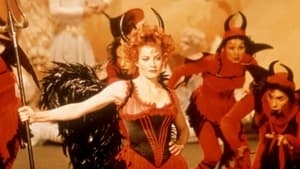
Cousin Bette
In 19th century Paris, Bette Fischer, a poor and homely spinster, forms an alliance with the seductive courtesan Valerie Marneffe to orchestrate revenge on her handsome and wealthy relatives.
1998
Albert Savarus
Adaptation of the Balzac story as told by Rosalie, a young girl in love with the idea of her extraordinary neighbor, Albert Savarus, and the lengths she goes to ensure their marriage, even after she learns he is deeply in love with another woman.
1993
Le Billard écarlate
1990
Siriuksen vieraat
Anders flees his drug debts to his former home village. Once there, he must come to terms with his past.
1987
The Face of Rage
Filmed in quasi-documentary fashion, the made-for-TV The Face of Rage is set in a rehabilitation facility. Here a group of rapists are required to confront their victims face-to-face. The film concentrates on the bitter verbal sparring session between assaulter Richard (Graham Bechel) and assaultee Rebecca (Dianne Weist). Director Donald Wrye co-wrote the screenplay for Face of Rage with Hal Sitowicz, drawing much of the dialogue from real-life transcripts. The film was first aired as an "ABC Theatre" presentation on March 20, 1983, preceded with an all too appropriate "parental guidance" proviso.
1983
The Bet
The story is about a lawyer who believes that capital punishment is terrible, and that imprisonment, if forever, remains a compassionate punishment, then he engages in a bet with a businessman, if he can stay in prison for fifteen years exchange for any wealth, and they hold a bet that if he holds, he will get two million rubles.
1983
Seth Mattsonin tarina
The TV film depicts the loneliness that follows divorce.
1979
Love’s Dark Ride
A young advertising executive, blinded in a gun accident, attempts to rebuild his life and career by living through a nightclub entertainer who befriends him.
1978
Viesnīca Tanatos
1977
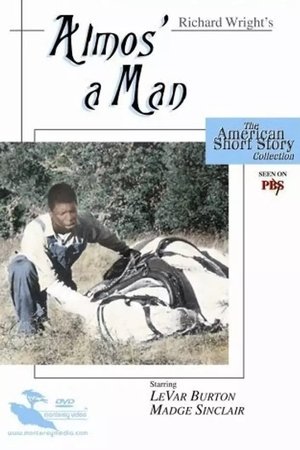
Almos' a Man
Although Dave (LeVar Burton) and his family are poor sharecroppers in the Deep South in the 1930s, this 15-year-old's problem is shared by teenagers today: he stands with one foot in adulthood and the other in childhood. "Almos' A Man", yet still treated like a child, he struggles for an identity. There's one thing, one symbol of manhood, Dave thinks, that could guarantee him instant respect: a gun.
1976

Brian's Song
Based on the real-life relationship between teammates Brian Piccolo and Gale Sayers and the bond established when Piccolo discovers that he is dying.
1971
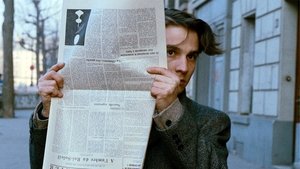
Stolen Kisses
The third in a series of films featuring François Truffaut's alter-ego, Antoine Doinel, the story resumes with Antoine being discharged from military service. His sweetheart Christine's father lands Antoine a job as a security guard, which he promptly loses. Stumbling into a position assisting a private detective, Antoine falls for his employers' seductive wife, Fabienne, and finds that he must choose between the older woman and Christine.
1968
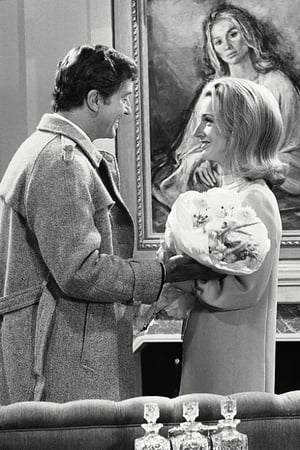
Laura
A police detective falls in love with the woman whose murder he’s investigating.
1968
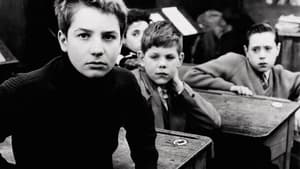
The 400 Blows
For young Parisian boy Antoine Doinel, life is one difficult situation after another. Surrounded by inconsiderate adults, including his neglectful parents, Antoine spends his days with his best friend, Rene, trying to plan for a better life. When one of their schemes goes awry, Antoine ends up in trouble with the law, leading to even more conflicts with unsympathetic authority figures.
1959
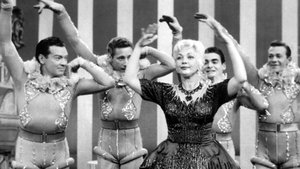
Lady in the Dark
The unhappy female editor of a fashion magazine is undergoing psychoanalysis.
1954
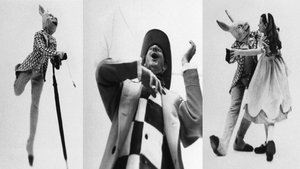
The Ford Theatre Hour: Alice in Wonderland
Thought to be the first full-hour television adaptation of 'Alice's Adventures in Wonderland' and 'Through the Looking-Glass', broadcast on the CBS Ford Theatre.
1950