Watch Equus: Story of the Horse (2019) Online Free
While the earliest works of art of mankind depicted horses, the early history of the two species remains largely unknown. From the last nomadic peoples of the Altai Mountains to the Bedouins of the Arabian Peninsula and the Blackfoot Indians, Canadian anthropologist and filmmaker Niobe Thompson traveled the world for two years. He went to meet these communities who live in osmosis with their horses, and tried to understand the history and the nature of the very special bond between man and animal. At the same time, the work of German evolutionary biologist Martin Fischer allows, thanks to a 3D animation, to bring back to life the ancestor of the horse, whose appearance is surprisingly reminiscent of a small fox.
Cast
Niobe Thompson, Martin Fischer
More Like This
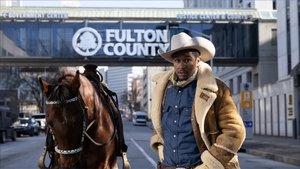
Brannu: The Urban Horseman
An urban horseman battles with his local government as he builds his horse ranch. The passion of horses inspired Brannu to go all in his pursuit of tending and training horses. City and county officials continue to be his roadblock.
2025

Guyane, vivre avec le jaguar
2024
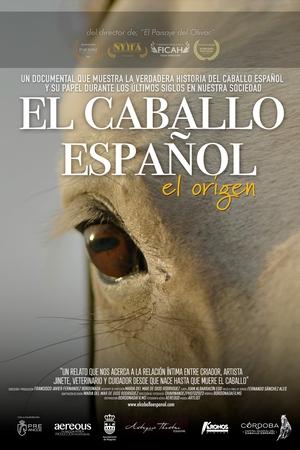
El Caballo Español; El Origen
2024

Musher, l'appel de l'Alaska
More than 7,000 km from his home in the Jura Mountains, Sébastien dos Santos Borges is taking seventeen of his dogs on an extraordinary adventure between Yukon and Alaska, following in the footsteps of the adventurers of the Far North. He is one of the most respected mushers in the world and is preparing to set off on the Iditarod Trail Sled Dog Race, one of the most difficult dog sled races. An expedition into the heart of the wilderness, where the relationship between man and animal is essential to triumph over the cold.
2023
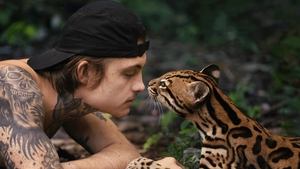
Wildcat
Back from war in Afghanistan, a young British soldier struggling with depression and PTSD finds a second chance in the Amazon rainforest when he meets an American scientist, and together they foster an orphaned baby ocelot.
2022
Wild Beauty: Mustang Spirit of the West
An immersive journey into the world of wild horses, Wild Beauty illuminates both the profound beauty, and desperate plight faced by the wild horses in the Western United States. Filmmaker Ashley Avis and crew go on a multi-year expedition to uncover the truth in hopes to protect them, before wild horses disappear forever.
2022
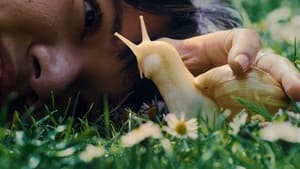
My Pet and Me
Do we need animals to fill the void that should really be filled by people? To what extent do we project our own deprivation and longing on these sweet pets? All the protagonists in this documentary are indirectly afraid of being rejected and find safety and unconditional love in their animal(s). We observe these relationships and follow them in their steps to overcome their anxieties and insecurities and step into the world of humans more.
2022

Language of Birds
Composed of serious and funny musical scenes, an exploration of the virtues of translation and desire for communication between humans and birds. Told by a narrator from the future, after the sixth mass extinction, an observation of the attempts made to establish a possible exchange.
2022
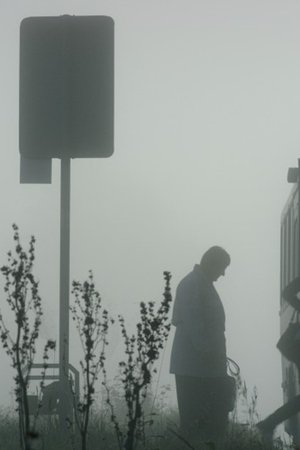
Hello, Horse!
A film about everything changing while remaining the same. Or rather – everything remaining the same while changing. We observed this (and wanted to share) while standing (standing regularly and for a long time) on a road rather close to the Eastern border of Latvia, because we followed the suggestion of the locals who asked to shoot “that horrible road”.
2017
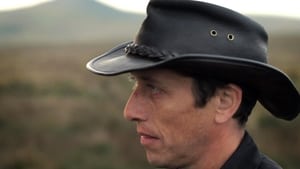
Cornish Cowboy
A documentary on horse whisperer Dan Wilson
2016
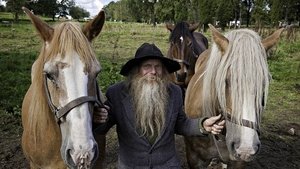
Hästmannen – sista striden
About a man's fierce battle with the authorities to keep his horses.
2014
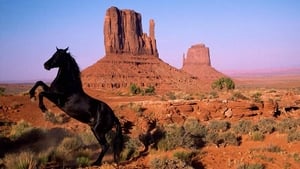
American Mustang
Fueled by stunning footage, this stirring documentary considers wild horses' role in the American psyche and their dwindling numbers in today's West. In an artful blend of exquisite nature documentary and character-driven narrative, the majestic wild horses of the American West are revealed in stereoscopic 3D as never before. The wonder in a girl’s eye pulls us into the drama that unfolds on hundreds of millions of acres of public land. The battle lines have long been carved into the landscape, and the players are deeply entrenched. Yet as the subtle choreography that has evolved over thousands of years begins, we are captivated. The intricate dance between a man and a wild horse presents lessons for us all, even the battle-hardened special interest groups fighting for the place of the AMERICAN MUSTANG.
2013

Vana: The Biggest Race Is the Life Itself
A documentary portrait of a legendary Czech jockey, Josef Vána, reveals his inner world of thoughts. His unique way of life can't be described in words, and this is a first, really original view into his daily life around horses, terrifying accidents, and also stories about his family.
2012
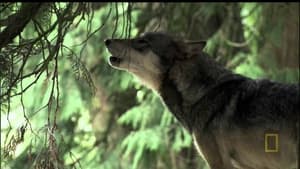
A Man Among Wolves
See a man living among wolves as the National Geographic Channel presents the unique story of maverick researcher named Shaun Ellis who raises abandoned wolf cubs and teaches them by example how to survive in the wild. In A Man Among Wolves, see how Shaun has given up everything to take a daring and unorthodox approach to understanding wolves' every move - living and behaving like them, howling, licking and snarling like them, even eating carcass meat like them.
2007
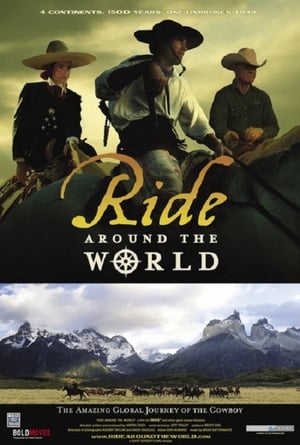
Ride Around the World
Journey across Morocco, Spain, Mexico, Argentina, Patagonia, Texas and British Columbia, to meet vaqueros, gauchos, baqueanos and cowboys - all part of a single global horse culture, an unbroken trail stretching back 1,500 years.
2006
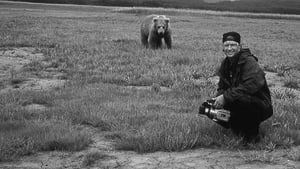
Grizzly Man
Follows the story of "Grizzly Man" Timothy Treadwell and what the thirteen summers in a National Park in Alaska were like in his attempt to protect the grizzly bears. The film is full of unique images and a look into the spirit of a man who sacrificed himself for nature.
2005
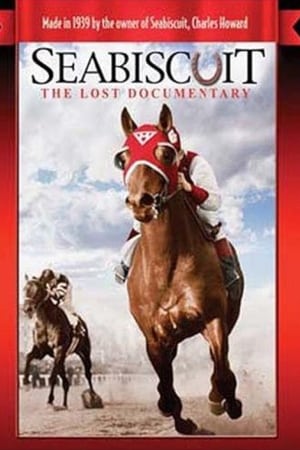
Seabiscuit: The Lost Documentary
Made in 1939 by Seabiscuit's owner Charles Howard. This inspirational film chronicles Seabiscuit's life from birth, through training, and the legendary match race with War Admiral.
2003
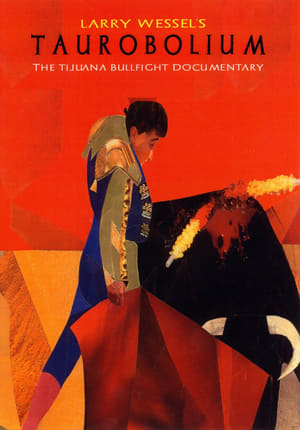
Taurobolium
Have you ever been to the bullfights in Tijuana? Larry Wessel's TAUROBOLIUM is not only cinema verite at it's best, Larry Wessel's TAUROBOLIUM is the best documentary on bullfighting ever made!
1994

Three Cheers for the Whale
Co-directed by Chris Marker and Mario Ruspoli, Three Cheers for the Whale traces humanity’s complex relationship with whales—from reverence to exploitation—culminating in a stark depiction of industrial whaling. Combining archival imagery, commentary, and documentary footage, the film offers both a historical reflection and a call for ecological awareness.
1972
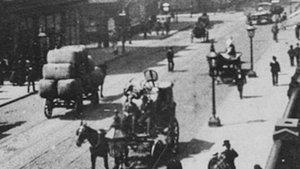
Traffic Crossing Leeds Bridge
A film by Louis Aimé Augustin Le Prince, shot in late October 1888, showing pedestrians and carriages crossing Leeds Bridge.
1888