Watch Ella Fitzgerald Live in Australia (1960) Online Free
Ella Fitzgerald visited Australia back in 1960. Gracefully stepping up to the microphone for the celebrated television event 'The BP Super Show', hosted by musician and entertainer Horrie Dargie, Fitzgerald delivered a mellifluous set of legendary songs in an intimate concert setting at The Embers Nightclub in Toorak Road, South Yarra Victoria. This rarely seen B&W television treat is considered to be one of the earliest audio-visual recordings of the 'First Lady of Song', backed by the smooth sounds of the Lou Levy Quartet. Beside Fitzgerald's performance of 14 memorable Jazz and Blues classics, the program also contains original BP musical interludes and jingles from the Horrie Dargie Quartet.
Cast
Ella Fitzgerald, Horrie Dargie, Lou Levy
More Like This
FORESTELLA THE WAVE IN CINEMA
2025

Ado SPECIAL LIVE "Shinzou" in Cinema
Attracting 140,000 fans over two days (April 27–28, 2024), “Shinzou” was a legendary performance that established Ado the first solo female artist to perform at the iconic Japan National Stadium. The setlist featured 26 songs including her on-stage duet of “Sakura Biyori and Time Machine (with Hatsune Miku),” the highly acclaimed “DIGNITY” featuring guest guitarist Tak Matsumoto (from B’z), and “Show,” a collaboration song with Universal Studios Japan. The theatrical release promises a fresh and immersive experience for fans who missed the live event or want to relive the moment.
2025
Along the Wind: The Seasons of Kim Ho Joong
2023
Blue Extra
2021
A World Without Beethoven?
"What would the world be like without Beethoven?" That’s the provocative question posed by this music documentary from Deutsche Welle. To answer it, the film explores how Ludwig van Beethoven's innovations continue to have an impact far beyond the boundaries of classical music, 250 years after his birth.
2020
Retablos de Provincia
2019
Bluesman
2019
Ears, Eyes and Throats: Restored Classic and Lost Punk Films 1976-1981
This collection of short films represents a hint of the tectonic shift in the underground film world in connection with the punk rock “movement.” Restored from original negatives, it showcases the reasonably well-known alongside the extremely rare, from music shorts to impressionistic documentary.
2019
Der Rosenkavalier
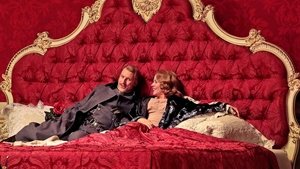
In his new production, Robert Carsen places the action at the end of the Habsburg Empire, underscoring the opera’s subtext of class and conflict against a rich backdrop of gilt and red damask
2017
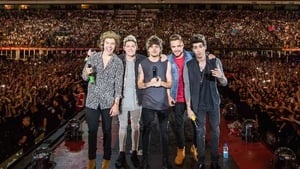
One Direction: Where We Are - The Concert Film
Where We Are: Live from San Siro Stadium features the entire 23 track concert filmed at San Siro Stadium in Milan in June 2014, as well as 24 minutes of bonus content including backstage footage of One Direction and their crew.
2014
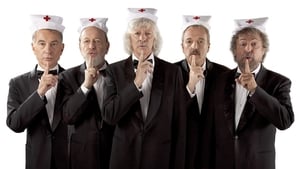
¡Chist!
Formed in 1967 by Gerardo Masana, during the height of a period of very intense Choral Music activity in Argentina's state universities, Les Luthiers premiered this show on Friday, May 13, 2011 at the Astengo Theater, Rosario, Argentina. PROGRAM: 1- Manuel Darío; 2- La Comisión; 3- La Bella y Graciosa Moza Marchose a Lavar la Ropa; 4- Solo Necesitamos; 5- La Hija de Escipión; 6- Bolero de los Celos; 7- Educación Sexual Moderna; 8- La Redención del Vampiro; 9- Encuentro en el Restaurante; 10- Los Jóvenes de Hoy en Día; 11- Rhapsody in Balls. The 'Campanófono autoflajelador' instrument made its first appearance during this show. Recorded live between June the 15th and the 16th, 2013 at the Gran Rex Theater, Buenos Aires, Argentina.
2013
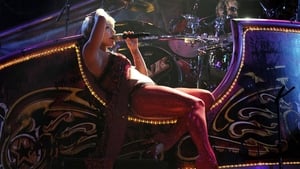
P!NK: Funhouse Tour - Live in Australia
P!nk brings her greatest hits down under on the most successful tour in Australian history. This set features "Get the Party Started" and more!
2009
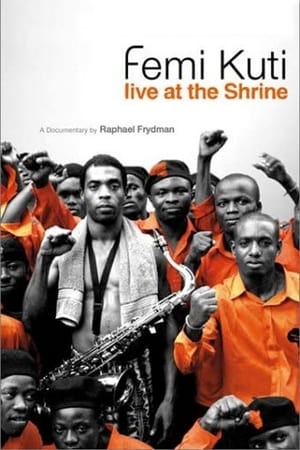
Femi Kuti: Live at the Shrine
An unprecedented collection by Afrobeat legend Femi Kuti, Live At The Shrine includes both a concert film/DVD documentary and a live concert CD, singularly conveying the beauty and joy of Afrobeat music – a combustible cocktail fusing jazz, funk, and traditional African music – while also communicating it’s fascinating roots and politics which began with Femi’s father Fela Kuti, the creator and godfather of Afrobeat. Live At The Shrine takes place in the Kuti family’s hometown of Lagos at the Africa Shrine, where every Sunday Femi plays to a packed house of revelers. With music as his weapon of choice and the Africa Shrine a temple of protest song, Femi continues his father’s fight, railing against the corrupt Nigerian government and staunchly defending PanAfricanism. Capturing this experience through interviews, street scenes, and the music itself, Live At The Shrine captures the spirit, passion, and hope, of a man and a people who are fighting.
2005
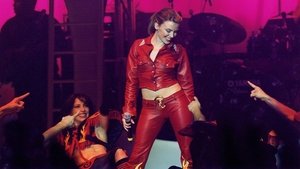
Kylie Minogue: Live In Sydney
Hot off the heels of her 2001 World Tour, Kylie Minogue graces the stage for one final performance in her homeland of Australia. Filmed in Sydney, this theatrical extravaganza spans Kylie's 15-year musical evolution, including hits like "I Should Be So Lucky," "Better The Devil You Know," and the Top 10 smash, "Can't Get You Out Of My Head." From the catchy opening number, "Love Boat," to the sultry interpretation of Olivia Newton-John's "Physical," Kylie's energy never slows down
2001
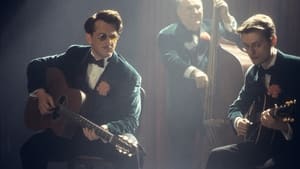
Sweet and Lowdown
In the 1930s, jazz guitarist Emmet Ray idolizes Django Reinhardt, faces gangsters and falls in love with a mute woman.
1999
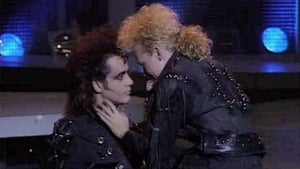
Starmania
STARMANIA is a cyberpunk rock opera that premiered on stage in 1979. In the near future, most developed countries have merged. Zéro Janvier, CEO of the biggest corporation in "The Occident" (as the new Western state is known) is campaigning to become President on a platform vowing to eliminate the terrorist group The Black Stars and their leader Johnny Rockfort. He has convinced the Stars' information broker Sadia to secretly work for him, while also courting the retiring film star Stella Spotlight. Meanwhile, Johnny Rockfort plans to kidnap television sweetheart Cristal, but he falls in love with her instead. Overlooking all this is Marie-Jeanne, a waitress in the café where the Black Stars meet, and her friend Ziggy, an obsessive David Bowie fan whose dearest wish is to appear on Cristal's music program STARMANIA. The show recounts these entwined love stories set in parallel, touching also on themes of terrorism, totalitarianism, and an individual's right to decide his own destiny.
1991
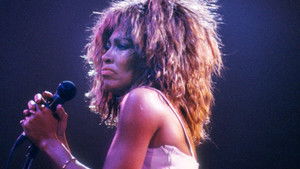
Tina Turner: Private Dancer Tour
The "Private Dancer Tour" was the fifth concert tour by Tina Turner. The two March 1985 shows at Birmingham, England's NEC Arena were filmed and released as Tina Live Private Dancer Tour. It featured special guests Bryan Adams and David Bowie.
1985
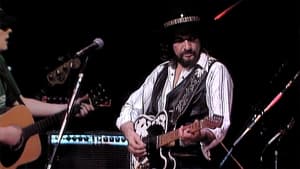
Waylon Jennings - The Lost Outlaw Performance
On the evening of August 12, 1978, Waylon Jennings and The Waylons performed on the concert stage of the Grand Ole Opry in Nashville, Tennessee. The master recordings of this concert were never released and had been locked in the vaults of RCA Records, long forgotten since 1978. The songs embodied in this performance capture Waylon Jennings and his band at the height of the country music "Outlaw" period, ample evidence of the extraordinary and individualistic writing and singing talents of Waylon Jennings. Now presented for the first time in its entirety, exactly as it was recorded on August 12, 1978.
1978
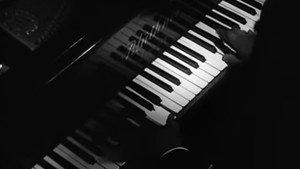
Stop for Bud
Stop for Bud is Jørgen Leth's first film and the first in his long collaboration with Ole John. […] they wanted to "blow up cinematic conventions and invent cinematic language from scratch". The jazz pianist Bud Powell moves around Copenhagen -- through King's Garden, along the quay at Kalkbrænderihavnen, across a waste dump. […] Bud is alone, accompanied only by his music. […] Image and sound are two different things -- that's Leth's and John's principle. Dexter Gordon, the narrator, tells stories about Powell's famous left hand. In an obituary for Powell, dated 3 August 1966, Leth wrote: "He quite willingly, or better still, unresistingly, mechanically, let himself be directed. The film attempts to depict his strange duality about his surroundings. His touch on the keys was like he was burning his fingers -- that's what it looked like, and that's how it sounded. But outside his playing, and often right in the middle of it, too, he was simply gone, not there."
1963
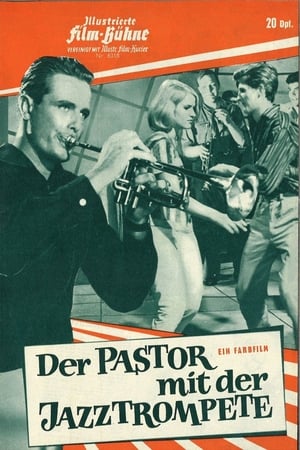
Der Pastor mit der Jazztrompete
When the Lutheran pastor Roland retires, the young priest Roll shall replace him. He plays the trumpet, loves Jazz and his methods are unconventional: From the first day on he offends the village's notables, but he doesn't care so much since he especially targets the youths, wants them to get back to the church again. However the mayor agitates against him, manages to endanger Roll's success. The conflict leads to vandalism and open violence against Roll.
1962