Watch Choqela: Only Interpretation (1987) Online Free
This provocative and profound film documents the Choqela ceremony, an agricultural ritual and song of the Aymara Indians of Peru. By offering several different translations of the proceedings, the film acknowledges the problems of interpretation as an inherent dilemma of anthropology.
More Like This
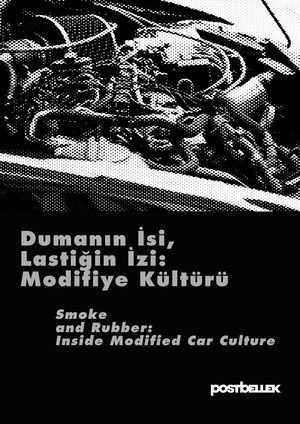
Smoke and Rubber: Inside Modified Car Culture
Speed, emotion, dream. Smoke and Rubber follows the drivers of Istanbul who dedicate it all to modified car culture. Beyond the noise, it traces how speed, sound, and the performance of masculinity define a way of living, from the garage to the streets. Based on ongoing research, this is a reflective portrait of a noisy world.
2025
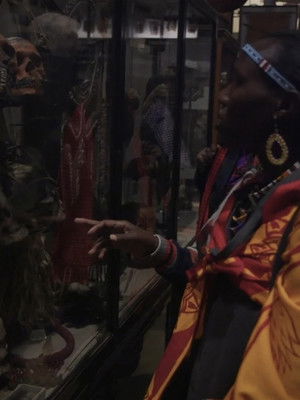
Decolonising the Curatorial Process
Decolonising the Curatorial Process is a forty-minute documentary which explores decolonial strategies in an academic and curatorial context. The film features academics, activists and practitioners, and contains case studies of institutions that are deploying critical, self-reflective forms of curatorial practice. The Museum of London Docklands exhibition on slavery and the sugar industry is examined as an example of how an institution can decolonise the curatorial process, utilise the work of artists in a museum context, and critically examine East London's imperial history. The Pitt Rivers museum in Oxford, who are working with Maasai activists from Kenya and Tanzania on a project centred on repatriating the museum's collection of sacred Maasai artefacts, also features in the film.
2020
Corporate Accountability
Images of Argentinian companies and factories in the first light of day, seen from the inside of a car, while the director reads out documents in voiceover that reveals the collusion of the same concerns in the military dictatorship’s terror.
2020
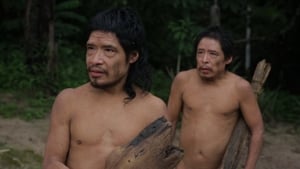
Piripkura
The last two surviving members of the Piripkura people, a nomadic tribe in the Mato Grosso region of Brazil, struggle to maintain their indigenous way of life amidst the region's massive deforestation. Living deep in the rainforest, Pakyî and Tamandua live off the land relying on a machete, an ax, and a torch lit in 1998.
2018
The Turn
'Mod' is an attempt by the filmmaker at communicating with the young men who hang out at the ‘notorious’ water tank in her neighbourhood in Pratap Vihar, Ghaziabad. The water tank is a space that is frequented by the so-called ‘no-gooders’ of the locality, a place where they play cricket, play cards, drink and smoke up. When she enters the space with her camera, the boys are curious and at the same time wary of it and her. They sometimes resist, sometimes protest, and at times, open up. As the film unfolds we get a hint of the lives the boys lead and the fragile world they create for themselves at the water tank.
2016
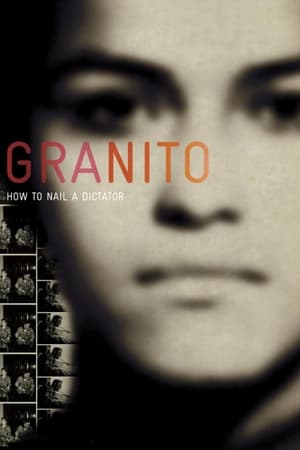
Granito: How to Nail a Dictator
A story of destinies joined by Guatemala's past, and how a documentary film intertwined with a nation's turbulent history emerges as an active player in the present.
2011

Wolfram, Wolf's Saliva
The darkness of the mine, invaded by the miners' light, by the noisy machines and the permanent and intense smell of ore in the air, leads us to an environment in which time and space become confused. A documentary film at Panasqueiras' Mine, between 2008/09. A reality captured by an eye-observer which does not interfere, but follows the compost that grows from the earth and is decomposed by man-machine.
2010
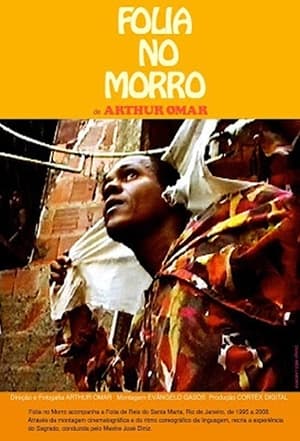
Folia no Morro
An ethnographic documentary following the Folia de Reis party that is celebrated every year at Morro de Santa Marta on Rio de Janeiro.
2008
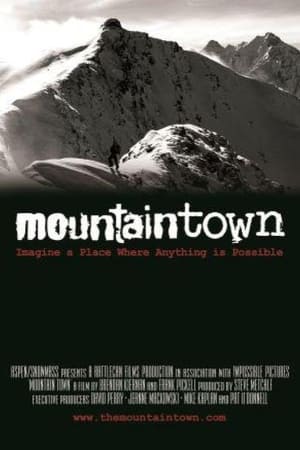
Mountain Town
This documentary looks at the stories of a few people in Aspen Colorado and how they contribute to the community.
2006
Melodies of the mountains
Film about the singing and dancing culture of the Ingush people
2006
Dukas Dilemma
2002
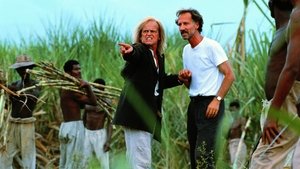
My Best Fiend
A film that describes the love-hate relationship between Werner Herzog and Klaus Kinski, the deep trust between the director and the actor, and their independently and simultaneously hatched plans to murder one another.
1999
Dancing with the Incas
Documentary about the most popular music of the Andes -- Huayno music -- and explores the lives of three Huayno musicians in a contemporary Peru torn between the military and the Shining Path guerrillas.
1992
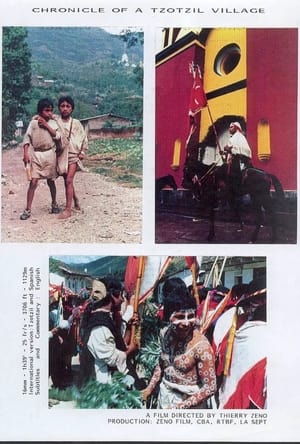
Chroniques d'un village tzotzil
A documentary about the daily life of a native Tzotzil community in southern Mexico, shot over a period of eight years.
1992
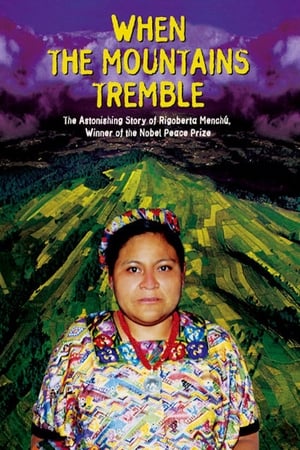
When the Mountains Tremble
A documentary on the war between the Guatemalan military and the Mayan population, with first hand accounts by Nobel Peace Prize winner Rigoberta Menchú.
1983
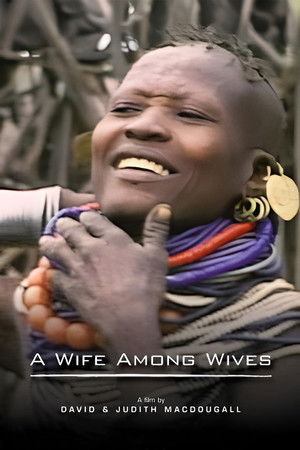
A Wife Among Wives
David and Judith MacDougall are exploring the marriage rituals and roles of Turkana women in this ethnographic documentary. The film's biggest part is taken up by talks between the Turkana people. As one of the first ethnographic documentaries "A Wife Among Wives" subtitles these talks so that the viewer can get a better and probably more personal understanding of the life of the Turkana.
1981

Interview with Salvador Allende: Power and Reason
An interview with the president of Chile conducted by Roberto Rossellini in 1971, but broadcast only after his death.
1973

Congo
An experimental ethnographic documentary that criticizes the colonizer view of anthropology.
1972
Kwaheri: Vanishing Africa
Early Mondo film featuring primitive rituals, animals being butchered, unusual birth defects, and a legit trepanation scene.
1964
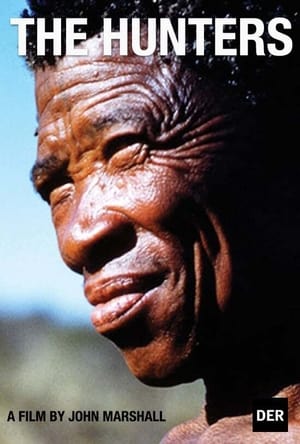
The Hunters
An ethnographic documentary following four Ju/’hoansi (!Kung) men during a multi-day giraffe hunt in the Kalahari Desert, filmed during the Smithsonian–Harvard Peabody expedition of 1952–53.
1957