Watch Chile: Obstinate Memory (1997) Online Free
After decades of fascist rule in Chile, Patricio Guzmán returns to his country to screen his documentary The Battle of Chile.
Cast
Patricio Guzmán, Vincent Davy, José Balmes, Hortensia Allende, Pablo Perelman, Salvador Allende
More Like This
Bodies in Crisis
In the midst of a profound social conflict, the director, a blind activist based in Canada, returns to her native Chile to follow five activists who embark on a transformative process to dignify their lives.
2025
Colombina
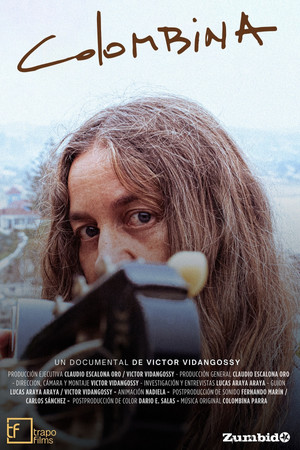
An in-depth portrait of Colombina Parra, singer-songwriter, writer, and architect with strong ties to Chilean popular culture. On camera, she shares personal reflections on an artistic journey that has connected her since childhood to the profound legacy of her father, Nicanor, and her close relatives, such as Violeta and Roberto Parra. The archives highlight her persistent rock endeavors with bands like Barracos and Los Ex, and ultimately, her own solo path. These are the journeys of a woman determined to find her own voice, exploring her emotions and concerns through her songs.
2024

Chile (1970-1973)
Chile would become the first country in the world to democratically elect a Marxist president, Salvador Allende. After his arrival to the government in 1970, the class struggle would reach a decisive point for the country in 1973.
2024

The Storm Petrel's Nest
During their first flight between the Atacama Desert and the Pacific Ocean, thousands of ringed storm petrels have fallen victim to light pollution caused by the city and industry. Biologist Jorge Páez is dedicated to the rescue and conservation of this species in the city of Antofagasta. He will face the greatest mystery surrounding this species: despite the hundreds of specimens that fall in the city each year, nobody knows for certain the nesting sites of the species, lost in the vastness of the desert.
2024
O Grande Irmão: O Dia que Durou 21 Anos 2
With confidential and unpublished documentation, the film shows the background and behind-the-scenes of the coup in Chile that took place on September 11, 1973 - and General Pinochet's dictatorship, which lasted 17 years.
2022
Inês
Triggered by congressman Jair Bolsonaro’s homage to the torturer Carlos Alberto Brilhante Ustra, during president Dilma Rousseff’s impeachment hearing in 2016, Inês, a 70 year-old actress, starts a fragmented narrative of her own history, transforming the memories of her youth as an artist and guerrilla fighter during the military dictatorship into performances. Using as a starting point her participation in Teatro Oficina's 1967 production of the play "King of The Candle", by Oswald de Andrade, Inês creates a manifesto in defense of art's political strength, intertwined with memories of lost love and resistance.
2020
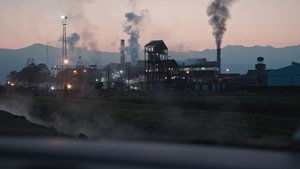
Corporate Accountability
Images of Argentinian companies and factories in the first light of day, seen from the inside of a car, while the director reads out documents in voiceover that reveals the collusion of the same concerns in the military dictatorship’s terror.
2020
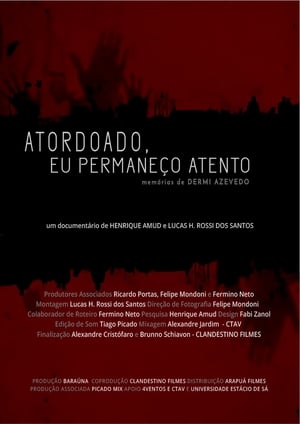
Stunned, I Remain Alert
Journalist Dermi Azevedo has never stopped fighting for human rights and now, three decades after the end of the military dictatorship in Brazil, he's witnessing the return of those same practices.
2020

Roda Viva Roda Brasil
2019
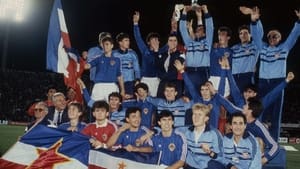
Chileans
The story of the Yugoslavian football team who became youth world champions in Chile, 1987.
2017
Adriana's Pact
Lissette's favorite aunt Adriana, who lives in Australia, is arrested in 2007 while visiting her family in Chile and accused of having worked for dictator Pinochet's notorious secret police, the DINA, and of having participated in the commission of state crimes. When Adriana denies these accusations, Lissette begins to investigate her story in order to film a documentary about her.
2017
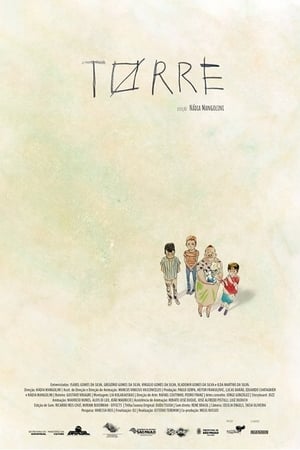
Tower
Four siblings, whose father disappeared during Brazilian Military Dictatorship, report their childhood during the regime.
2017
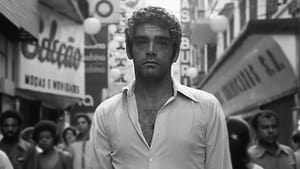
Stories Our Cinema Did (Not) Tell
Filled with raunchy laughs, this documentary compiles outrageous scenes from sex-comedies that shaped Brazil's "pornochanchada" boom of the 1970s.
2017

Piedad: una roca va al psiquiatra
From the creators of 31 Minutos, here comes the story of a rock that didn't want to grow up...
2015
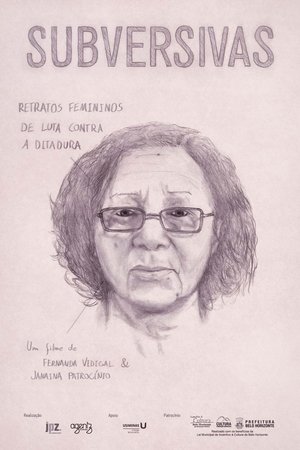
Subversivas
"Subversivas" is a documentary that reveals the brazilian military dictatorship from the perspective of women. Teresa Angelo, Gilse Cosenza, Thereza Vidigal, Angela Pezzuti and Delsy Gonçalves joined the resistance to the military regime in different ways. Their memories bring out events that marked that time and their life. These statements reveal their effort for freedom and democracy not only in political actions, but also in their family, work and everyday relationships, imbued with a belief and search for a fair and free country.
2013
New Year
When everyone is supposed to be celebrating the arrival of a new year, the Chilean director Cristobal Valenzuela takes to the streets of Santiago to give voice to another facet, less colorful and festive, undoubtedly invisible, of this eve. Lonely pedestrians who roam the streets of the city inhabit the frame of a handheld camera that allows them to express themselves. Comments of hopelessness and tiredness, contrasting with the sky lit by fireworks, give us a glimpse to that other social image.
2010
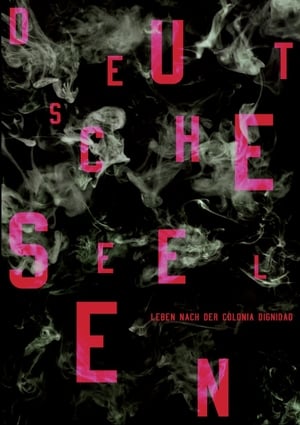
German Souls
Rüdiger was a child, Aki two months old and Kurt, the deputy of the pedophile leader of the sect. In 1961 they came to Chile together with 500 other German sect members and for over 40 years they lived secluded from the rest of the world. The film tells about the attempt to survive as a collective after decades of crimes such as torture and murder and shows different ways in which the individual copes with the history of the community.
2010
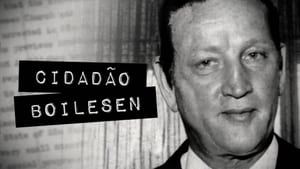
Citizen Boilesen
A documentary about the controversial businessman Henning Boilesen Jr. and his involvement with the military regime as one of its most enthusiastic supporters, financing it and participating in the tortures of political prisoners. Those actions later culminated in his assassination in 1971 by members of militant groups opposed to the regime.
2009
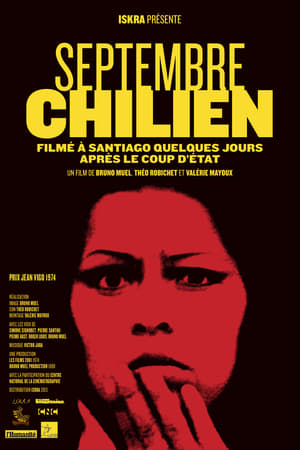
Septembre Chilien
Bruno Muel's documentary on the coup in Chile in 1973. Muel, who was part of the famed Medvedkine group, along with Chris Marker and Jean-Luc Godard, among others, captured one of the most powerful portraits of the early days of Dictatorship. Profound solidarity with the socialist cause, Muel and his team showed great courage to mix the official registration of images with those triumphant, clandestine, of the nascent opposition.
1973
San Pedro de Atacama
Report on the town of San Pedro which exists in the middle of the desert and at over 2,430 meters above sea level. It also deals with the work of priest Gustavo Le Paige and the museum he helped develop.
1964