Watch CBS Reports: Harvest of Shame (1960) Online Free
Loading Cinehub...
In this CBS News production broadcast on Thanksgiving 1960, Edward R. Murrow points out the plight of migrant farm workers in America. Topics range from the harsh living conditions, endless travel, low wages, and poor opportunities for their children.
Cast
Edward R. Murrow
More Like This
Semences : les gardiens de la biodiversité
2014
Alice Waters, Edible Schoolyard: San Francisco Foundation Community Leadership Awards 2006
Alice Waters, winner of the San Francisco Foundation 2006 Community Leadership Awards (The John R. May Award) - for transforming our relationship with food. Through her promotion of sustainable agriculture and the slow food movement, she fights obesity and fosters a clearer understanding of how the natural world sustains us. Alice and the Chez Panisse Foundation's Edible Schoolyard educates public school children on the importance of growing and cooking fresh, nutritional food.
2009
CurryStone 2013: Proximity Designs
Proximity Designs is a sustainable development group that works to improve the lives of the rural poor in Myanmar. Proximity Designs boosts agricultural productivity by designing, producing, and distributing affordable products for people living on less than $2 a day.
Bitter Sweet Ballad
This is a story about youth with music. It all happens at the Dandelion School, Beijing’s first middle school specifically established for the children of migrant workers. Every year when new pupils arrive, Ms. Yuan Xiaoyan, who has worked in the school choir for eight years, would choose a group of music-loving first-years with solid musical foundations to join the choir. A new group of children join the choir while those who have advanced to the second year have to discuss with their families their future choices. For choir members, their music career in middle school will eventually stop due to the pressure of high school entrance examinations and the inevitable parting. But along this journey accompanied by music, they have been savoring the joys and sorrows of their youth, burying them deep in their hearts, and transforming them into growth-promoting nutrients.
2025

Sometime, Somewhere
Sometime, Somewhere sheds light on the challenges faced by Latino communities in Charlottesville, Virginia against the backdrop of immigration driven by factors like climate change, poverty, and drug-related violence.
2024

Beyond Ratings
Three women share their experience of navigating the app-world in the metro city. The sharings reveal gendered battles as platform workers and the tiresome reality of gig-workers' identities against the absent bosses, masked behind their apps. Filmed in the streets of New Delhi, the protagonists share about their door-to-door gigs, the surveillance at their workplaces and the absence of accountability in the urban landscape.
2024

Ungeheuerhof - Chroniken und Gemütszustände auf dem Land
Anyone who sits in a tractor all day has a lot of time to think. Jürgen gave up fattening bulls when he took over the farm and set up a contracting business - where there used to be animals, there are now machines. The single father continues to work day in, day out, weighed down by economic constraints, social expectations and strokes of fate. He says: “Every dad in agriculture wants his son to carry on at some point.” But what if his son is ill?
2023
Nous paysans
In barely a century, French peasants have seen their world profoundly turned upside down. While they once made up the vast majority of the country, today they are only a tiny minority and are faced with an immense challenge: to continue to feed France. From the figure of the simple tenant farmer described by Emile Guillaumin at the beginning of the 20th century to the heavy toll paid by peasants during the Great War, from the beginnings of mechanization in the inter-war period to the ambivalent figure of the peasant under the Occupation, From the unbridled race to industrialization in post-war France to the realization that it is now necessary to rethink the agricultural model and invent the agriculture of tomorrow, the film looks back at the long march of French peasants.
2021
Toxification
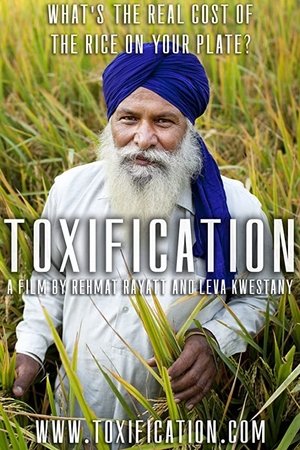
India's prosperous Green Revolution was led by Punjab, a state in northern India famous for its lush rice fields and wet, fertile soil. But as farmers are conned into buying more and more pesticides, herbicides and fertilisers that they don't need, which demand often ten times more water, the water table is sinking at an alarming rate. Punjab's water has been poisoned by the chemicals, and the farmers poison their bodies with opium, helping them to work longer and harder. Loans from a middleman are taken out, with extortionate interest rates that are impossible to pay back. As a result, hundreds of Punjabi families are left without a father, husband or son as more and more farmers cave in under the pressure and drink their own chemicals to end their lives.
2020
Burkinabè Bounty
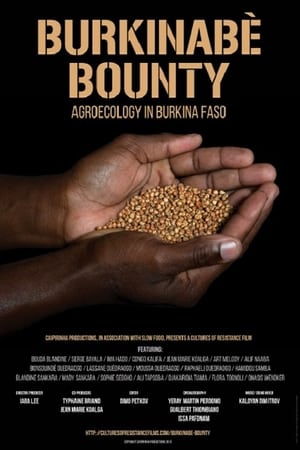
This documentary chronicles agricultural resistance and the fight for food sovereignty in Burkina Faso – a small, landlocked country in West Africa. Showcasing activist farmers, students, artists and leaders in the local Slow Food movement, the film looks at how the Burkinabé people are reclaiming their land and defending their traditions against the encroachment of corporate agribusiness. From women gaining economic independence by selling artisanal “dolo” beer, to youth marching in the streets against companies like Monsanto, to hip-hop musicians setting up their own farms and reviving the revolutionary spirit of Thomas Sankara through their music, Burkinabè Bounty shows the creative tactics people are using to take back control of their food, seeds, and future.
2018
Les Champs de la colère
2017
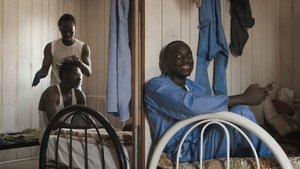
The Workers Cup
Inside Qatar’s labor camps, African and Asian migrant workers building the facilities of the 2022 World Cup compete in a football tournament of their own.
2017

Perdus entre deux rives, les Chibanis oubliés
2014
Food, Inc.
Documentary filmmaker Robert Kenner examines how mammoth corporations have taken over all aspects of the food chain in the United States, from the farms where our food is grown to the chain restaurants and supermarkets where it's sold. Narrated by author and activist Eric Schlosser, the film features interviews with average Americans about their dietary habits, commentary from food experts like Michael Pollan and unsettling footage shot inside large-scale animal processing plants.
2008
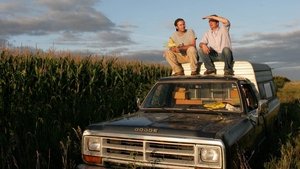
King Corn
King Corn is a fun and crusading journey into the digestive tract of our fast food nation where one ultra-industrial, pesticide-laden, heavily-subsidized commodity dominates the food pyramid from top to bottom – corn. Fueled by curiosity and a dash of naiveté, two college buddies return to their ancestral home of Greene, Iowa to figure out how a modest kernel conquered America. With the help of some real farmers, oodles of fertilizer and government aide, and some genetically modified seeds, the friends manage to grow one acre of corn. Along the way, they unlock the hilarious absurdities and scary but hidden truths about America’s modern food system in this engrossing and eye-opening documentary.
2007
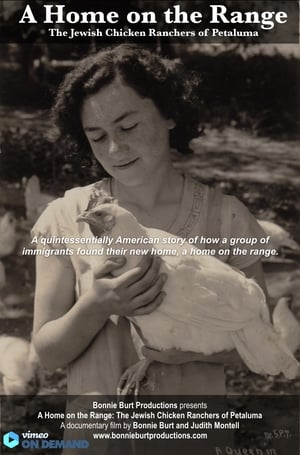
A Home on the Range: The Jewish Chicken Ranchers of Petaluma
"A Home On The Range" tells the little-known story of Jews who fled the pogroms and hardships of Eastern Europe and traveled to California to become chicken ranchers. Even in the sweatshops of New York they heard about Petaluma where the Jews were not the shopkeepers and the professionals, they were the farmers. Meet this fractious, idealistic, intrepid group of Eastern European Jews and their descendants as they confront obstacles of language and culture on their journey towards becoming Americans. Jack London, California vigilantes, McCarthyism, the Cold War and agribusiness all come to life in this quintessentially American story of how a group of immigrants found their new home, a home on the range.
2002
The Extraordinary Adventures of a Quart of Milk
Documentary short subject preserved by the Academy Film Archive, from the Marshall Plan Collection, in 2003.
1951
Škůdce
1949
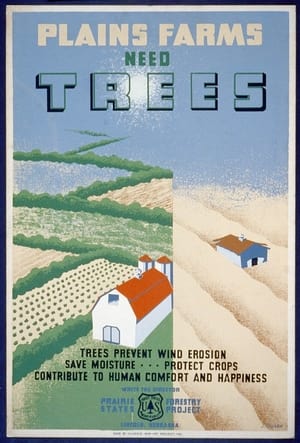
Windbreaks on the Prairies
This short film serves as a cautionary tale to farmers who recklessly cut down trees on their land. When prairie farmers engaged in this practice to facilitate plowing, they discovered that the trees had served as windbreaks protecting top soil from erosion. The Dominion Department of Agriculture's experimental station at Indian Head, Saskatchewan, cultivated acres of young trees for distribution to farmers.
1943
Alexis Tremblay: Habitant
This short documentary illustrates rural French Canadian life in the early 1940s. The film follows Alexis Tremblay and his family through the busy autumn days as they bring in the harvest and help with bread baking and soap making. Winter sees the children revelling in outdoor sports while the women are busy with their weaving, and, with the coming of spring young and old alike repair to the fields once more to plough the earth in preparation for another season of varied crops. One of the first NFB films to be produced, directed, written and shot by women.
1943