Watch Burns And Scalds (1970) Online Free
Explains the first aid treatment for burns and scalds to relieve pain, to prevent or treat shock, and to prevent infection. Discusses the different types of burns and demonstrates the proper treatment for each. Shows applications of appropriate bandages and cover dressings, and emphasizes the correct and prompt treatment for physical shock.
More Like This

Mong Kok First Aid
Mong Kok First Aid investigates the experiences and unheard stories of a group of young volunteers who provided First Aid services to wounded participants during Hong Kong’s landmark Umbrella Movement of 2014. Just half a decade later, their first-person narratives reveal an intense feeling of time passing and memories fading, as this documentary seeks to challenge history by intervening to supplement the record. After all, who decides whose story can be a part of history?
2020

Helm abnehmen bei verunglückten Motorradfahrern
Short film about first aid for motorcyclists
1992
Cults: Saying No Under Pressure
Describes how to resist the deception and pressure used to recruit members into cults and keep them there. It also provides advice on how to resist these tactics. The video is designed for young people, parents, educators, counselors, clergy, law enforcement officials, and others.
1991

The World of Budgerigars
Sid James learns of the joys of owning a budgerigar.
1976
Chlorine and the Firefighter
This 1974 film is dedicated by the Chlorine Institute to the public interest. It is specifically intended to assist firefighters and other emergency services. The techniques demonstrated are appropriate for emergency use; different circumstances might require modified or additional procedure. The information is drawn from sources believed to be reliable. The Institute, its members any organizations cooperating in the development of this film, jointly or severally, cannot be responsible for how the information is used and must make this legal disclaimer. This is a 1960s era, color movie about Chlorine and emergency workers… specifically, firefighters. The film is intended to show firefighters what chlorine is, what a chlorine emergency might involve, how a company can plan ahead and how an emergency can be handled safely.
1974
Your Chance to Live: Nuclear Disaster
Portrays the challenges of creating a film about nuclear disaster amid public apathy. It captures behind-the-scenes moments as the crew discusses the gravity of nuclear threats, the importance of preparation, and the emotional impact of a nuclear attack. The narrative emphasizes the need for individuals to take responsibility for their safety and community in the event of an attack, blending factual information with a call to action.
1974
Your Chance to Live: Winter Storm
Intercuts scenes from Jack London's To build a fire with modern urban and rural winter scenes to point out the dangers of winter storms and low temperatures. Designed to stimulate discussion on civil preparedness for winter storms.
1972
Lifesaving and Water Safety: Snorkeling Skills and Rescue Techniques
The film provides a comprehensive guide on snorkeling skills and rescue techniques, emphasizing the importance of proper equipment such as masks, snorkels, and fins. It discusses how to choose the right mask for comfort and fit, the proper use of snorkels, and techniques for clearing water from both masks and snorkels. The film also covers essential skills for entering the water safely, practicing buddy systems during snorkeling, and techniques for locating and rescuing submerged victims. It highlights the need for training and emphasizes that while these skills are crucial for rescue, they do not replace the need for a full certified course in skin diving.
1972
Suddenly...And Without Warning
Coast Guard film about the importance of life jackets. Stresses safety in boating and shows how boating accidents can happen.
1971

Never Go with Strangers
Never Go With Strangers was intended for children aged between seven and ten and its purpose was ‘to warn them of the dangers of accepting lifts or presents from strangers’. Due to potential distress government officials instructed that the film only be shown under ‘responsible adult supervision’, thus denying it a TV airing for many years.
1971
Safety in the Shop: Power Tools
The film emphasizes the importance of safety when using power tools in a workshop. It outlines key safety practices, such as using guards, securing materials, and wearing protective gear like safety glasses. The film also covers specific tool usage tips, including the correct handling of cutting machines, drills, grinders, and lathes, stressing that safety precautions should never be neglected. Proper maintenance and awareness of tool settings are crucial to prevent accidents.
1970
Information Program Within Public Shelters
This Cold War film "Information Within Public Shelters" (1953) takes place in a fallout shelter, showing how a well-trained staff that provides information to shelter occupants, can keep them busy and calm during nuclear armageddon. This film was produced as the U.S. Government began to shift from promoting privately-owned "family" fallout shelters to the concept of large, public shelters.
1963
Planning For Emergence From Public Shelters
A training film for public shelter managers explaining when people should be allowed to leave the shelter after a disaster.
1963
Public Shelter Organization and Staff
Created in 1963 at the height of the Cold War, this Civil Defense training film uses a dramatic premise to show how emergency staff should manage and organize a large public fallout shelter during a crisis. A Shelter Manager is shown immediately taking control of the situation in the shelter, speaking calmly to those who have made it into the facility, closing the door promptly once the shelter is full, and sticking to the "shelter plan" as the situation unfolds. Some of the areas discussed in this nuclear war drama are the safety plan, regular inspections, supervised public entry into shelters, ventilation, first aid, sanitation, fire prevention, decontamination of personnel, and more. "Shelter living is different," the Manager states, "But we have a trained staff that will make your stay in this shelter livable for us all."
1963
Planning for Public Shelter Entry
The film features a meeting led by Dave Taylor, the shelter manager, discussing the protocols and responsibilities for staff members involved in managing a public shelter. Key participants, including operations deputy Harvey Johnson and health leader Mrs. Carter, outline their roles in ensuring a smooth entry for occupants during an emergency. The meeting emphasizes the importance of organization, communication, and the distribution of supplies. Staff members are encouraged to familiarize themselves with each other's duties and prepare for potential scenarios, including managing newcomers and ensuring safety and sanitation within the shelter.
1963

Door to Door Salesman
Ever had a good experience with doorstep salespeople? Maybe you were lucky, but the doorstep has never seemed the best place for a sensible sales decision – which is exactly why companies use it.
1961
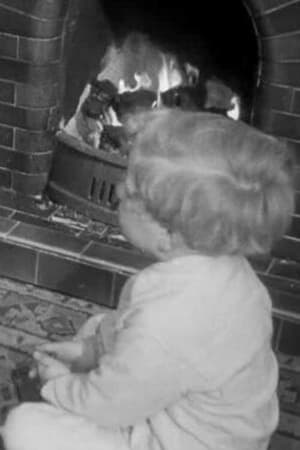
Playing with Fire
You're asking for trouble when you play with fire - and this public information film is the stuff of nightmares.
1947

It Might Be You
A doctor talks about the number of injuries and deaths resulting from automobile accidents.
1946
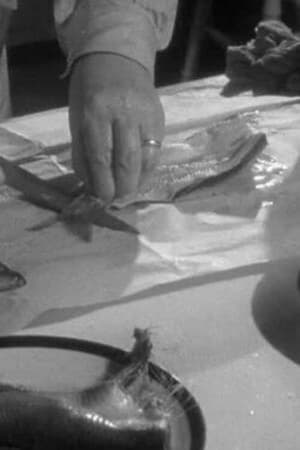
Herrings
This informative herring aid from WWII makes no bones about the need to make the most of every fish.
1940
Aikamme amatsooneja
Women's civil defense activities, especially in case of gas attacks.
1939