Watch Bon Odori Online Free
Bon Odori dives into the world of karaoke and the ways this Japanese tradition has taken root and evolved in Brazil. Through an event that brings together young Japanese-Brazilian descendants and participants with no prior connection to Japanese culture, the documentary reveals encounters, memories, and exchanges across generations. Amid touching stories, striking voices, and charismatic personalities, the film crafts a sensitive portrait of belonging, respect, and cultural preservation—celebrating the power of the connections that emerge when differences are embraced.
Cast
Toshiaki Tateyama, Ana Paula Morimoto, Cibele Nishimoto, Matheus Martins, Nelson Yoshio Takeda, Nicole Mie Ishii, Vinicius Nascimento Resende
More Like This

From Tokyo to You
Documentary detailing Kiss' 1977 tour of Japan, including the recording of their ill-fated Japanese live album.
2025
The Performance
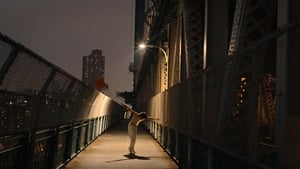
Hussein learnt to breakdance from a soldier in Iraq as a kid, then chased his American Dream to NYC. Now a choreographer, he mistakes a shot at success for a breakthrough and loses everything, but will do whatever it takes to keep dreaming.
2023
Kite Zo A: Leave the Bones
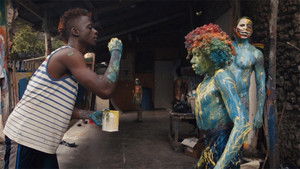
In 1791, in Haiti, Dutty Boukman presided over a Vodou ritual in Bois-Caïman that led to the creation of the first Black republic. Since then, rituals of transformation and artistic expression have been at the core of a thriving culture as the country faces oppression, poverty, and natural disasters. "Kite Zo A” (Leave the Bones) is a sensorial film about rituals in Haiti, from ancient to modern, made in collaboration with poets, dancers, musicians, fishermen, daredevil rollerbladers, and Vodou priests, set to poetry by Haitian author Wood-Jerry Gabriel.
2022
Vanity
2022
Hidden Japan
The culture of Japan is incredible, from bloom festivals to ultra-modern cities. But there are also more than 130 mammals and 600 bird species dwelling in Japan’s 6852 islands. This island chain is long enough to span climate zones, providing a huge range of habitat.
2020
Reiwa Uprising
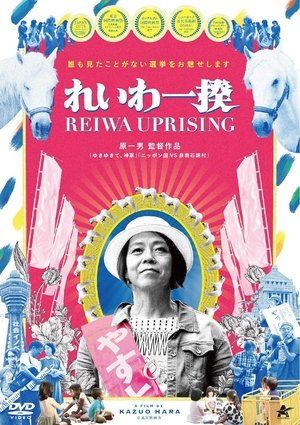
Kazuo Hara follows Ayumi Yasutomi, a transgender candidate, who is also a Tokyo University professor, as she embarks on a national campaign for a seat in Japan's Upper House.
2019

Pelican: 74 Years of Japanese Tradition
Pelican, a bakery located at Asakusa, Tokyo, becomes crowded every morning. There are only two types of bread sold. It looks ordinary but meet a bakery that has been loved for 74 years with a taste you won't get tired of even if you eat it everyday!
2019

Manga Do, Igort e la via del manga
2018
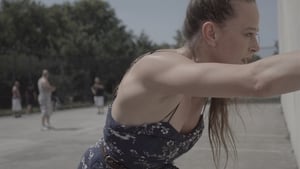
Bobbi Jene
A love story, portraying the dilemmas and inevitable consequences of ambition. It is a film about a woman's fight for independence, a woman trying to succeed with her own art in the extremely competitive world of dance.
2017

The One Piece Podcast Goes To Japan
Back in May 2013, The One Piece Podcast managed to run a successful Kickstarter which funded a trip to Japan to film a One Piece documentary like none other. It has been a long road, but the wait is over. “The One Piece Podcast Goes to Japan” features interviews with some of the biggest names in the One Piece franchise, exclusive access to One Piece and Shonen Jump events, and even the thoughts and opinions of fans from around Japan!
2014
Tohoku Tomo
A documentary film telling the story of true friendship and commitment to Japan’s recovery by the international community following the Great East Japan Earthquake. Many of these people dropped what they were doing and dedicated themselves to Japan’s recovery. Many of these them even took it upon themselves to establish non-profit organizations aimed at connecting with and rebuilding Tohoku and its communities.
2014
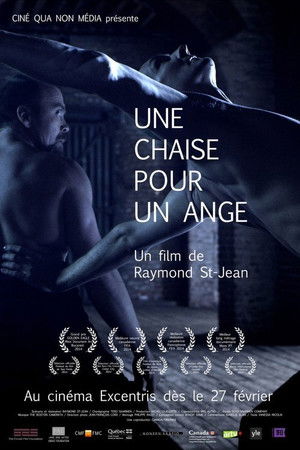
A Chair Fit for an Angel
For two hundred years, the Shakers have been America's most successful utopian society. While seeking harmony, order and perfection in every aspect of their lives, they built minimalistic furniture and buildings that influenced modern design. The Shakers wrote songs of exquisite beauty and danced to the point of ecstasy during their religious meetings. Inspired by this music and dance, choreographer Tero Saarinen created Borrowed Light, a dance piece about communal life and individual sacrifice. Shot in Finland and the United States, featuring interviews and excerpts from Borrowed Light, this documentary explore the cultural legacy of this religious group devoted to creating heaven on earth.
2014
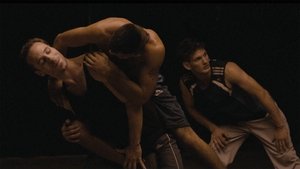
Los posibles
Santiago Mitre co-directs his first movement following The Student together with choreographer Onofri Barbato. Although it would have been more accurate to say “his first film-story-adventure-movie-great movie following The Student”, the word movement fits perfectly in Los posibles, the most overwhelmingly kinetic work Argentine cinema has delivered in many, many years. The film deals with the adaptation of a dance show directed by Onofri together with a group of teenagers who came to Casa La Salle, a center of social integration located in González Catán, trying to find some refuge from hardship. Already entitled Los posibles, the piece opened in the La Plata Tacec and was later staged in the AB Hall of the San Martín Cultural Center. Now, it dazzles audiences out of a film screen, with extraordinary muscles and a huge heart: Los posibles is a rhapsody of roughen bodies and torn emotions. Precise and exciting, it’s our own delayed, necessary, and incandescent West Side Story.
2013
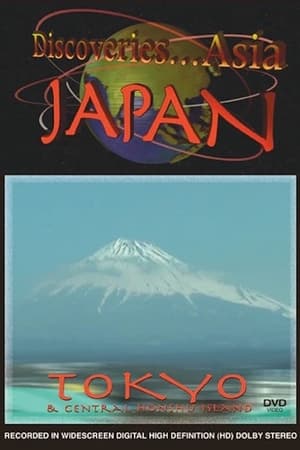
Discoveries...Asia Japan: Tokyo & Central Honshu Island
For centuries the Japanese warred among themselves and their neighbors, creating a colorful, rich and sometimes brutal legacy. Intriguing to outsiders for centuries, modern Japan is no less so In the 21st century. Focuses on Tokyo and its environs, with attention to scenery, shopping and shrines.
2008
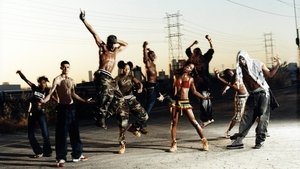
Rize
A documentary film that highlights two street derived dance styles, Clowning and Krumping, that came out of the low income neighborhoods of L.A.. Director David LaChapelle interviews each dance crew about how their unique dances evolved. A new and positive activity away from the drugs, guns, and gangs that ruled their neighborhood. A raw film about a growing sub-culture movements in America.
2005

Kizu: The Untold Story of Unit 731
Documentary about Japan's Unit 731 of World War II.
2004
Martha Graham: The Dancer Revealed
Released on DVD as part of The Criterion Collection's "Martha Graham: Dance on Film" collection.
1994

Satori Stress
Leaving Europe to look for Akiko, Jean-Noël discovers her city, the exotic Tokyo. A documentary on everyday life in Tokyo, its KABUKI theater, its nostalgic TAKENOKOZOKU dances, its thousands of suit-and-tie executives, its geishas, its Western style marriages, its tranquil green areas, its pulsating nightlife...
1984
Under a Bridge
In this tape, Ko Nakajima and Video Earth Tokyo interview a homeless man. The subject is initially angry and frustrated, but gradually opens up and shares stories about his life. Under A Bridge was later broadcast on cable television.
1974

Loïe Fuller
Serpentine dance with stenciled rainbow coloring, in the style of Fuller. Dancer unidentified. Pathé film no. 766a.
1901