Watch biopixels Online Free
Shot at two cutting-edge research labs which specialize in the evolution of butterflies and moths, BIopixels is an animated short film exploring the world of evolutionary biology on the microscopic scale. The images - rendered from collections containing over 50,000 specimens - were take by microscopists over three years to create the animated shorts Nanoscapes and Biopixels. Both the animation and the score play with concepts of pattern, time, density and other means of development common to biological evolution.
More Like This
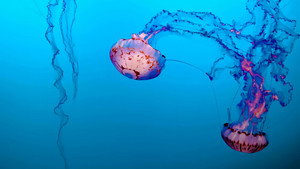
Jellyfish, The new Rulers of the Ocean
Jellyfish blooms are making headlines around the world. This is due to the damage they cause to tourism, fishing and our health. How can these creatures, which are over 98% water and have no shell, skeleton or brain, expand so rapidly? Although this is a normal stage in the life cycle of these gelatinous animals, we have to admit that blooms have become much more frequent and massive in recent decades. We're even witnessing jellyfish populations appearing in more and more regions where fish have been replaced by them, such as off the coast of Namibia, in the Black Sea, in the Sea of Japan and in certain areas of the Baltic Sea. What causes this? Why has the role of jellyfish in the ocean been underestimated, even though they outlived the dinosaurs? Are jellyfish on their way to dominating the oceans as they once did? What if they were to be the only ones left?
2026
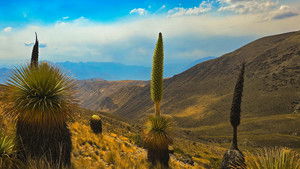
Oasen: Inseln des Lebens
Oases are more than fairytale places in the desert sand. Amidst the stony heights of the Andes, the endless expanse of the Pacific, or the hectic concrete sausages of Mumbai, islands of life flourish. In breathtaking shots, the documentary explores the phenomenon of oases – and the magical places in the Saharan sand are of course included.
2025
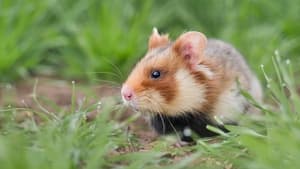
The Last Common Hamsters
For almost three years, nature filmmaker and ecologist David Cebulla has been observing wild Common hamsters. He not only tries to learn more about the species, but also documents why hamsters are globally threatened with extinction. David travels from the western border of the distribution area in France via Germany, Poland, Austria and Hungary to the eastern border of the distribution area in the Kazakh steppe. In the process, he manages to capture some unique and fantastic images. But during the project, it becomes increasingly difficult to find animals living in the wild.
2025
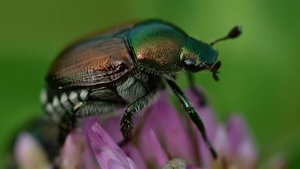
Fabulous Insects - Beetles
„The Fabulous Insects – Beetles“ presents colourful and bizarrely shaped species as well as the largest beetle in the world, in its habitat in the South American rainforest. The film also shows that the colourful diversity and beauty of beetles and their exciting natural history can be experienced right on our doorstep, in Central Europe. In aesthetic and never-before-seen macro slow-motion and time-lapse shots, the viewer experiences the world of beetles, which is more beautiful, colourful and surprising than many of us realise. No other group of animals on earth is so diverse: beetles come in a wide variety of ‘models’, from miniature versions a quarter of a millimetre in size to large versions twenty centimetres long. Some beetles flaunt jewel-like iridescent colours, while others wear plain black. Some come in eye-catching warning colours, while many wear an astonishing camouflage.
2024
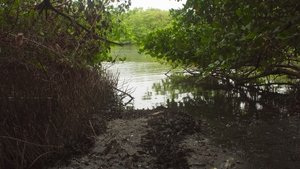
Akiechi Weimei, Magical Mangrove
Exploring the history, biodiversity and current affairs of Akiechi Weimei (Magical Mangrove Island) on the shores of the Lake Maracaibo in Venezuela.
2024

Springtails: The hidden soldiers of Earth
Who knows about springtails? And among those for whom this name rings a bell, how many have already seen them? Yet, these small animals, similar to insects, are present in all terrestrial ecosystems. Springtails are undisputed soil regulators. Scientists recognize them today as absolutely essential, especially in the search for pollutants, disruptors, and all the variations that affect our soils, but this little animal is almost unknown. Thanks to extremely precise cameras, as close as possible to these microscopic animals, a teeming life is revealed before our eyes. According to the seasons, the film invites us to get into the intimacy of the springtails, to discover their morphology, their role and their usefulness in the ecosystems of the planet while rubbing shoulders with other organisms in the same environments.
2024
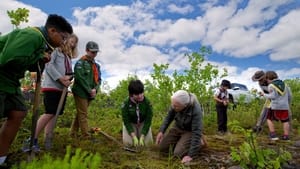
Jane Goodall: Reasons for Hope
Jane Goodall-Reasons For hope is an uplifting journey with stories to inspire people to make a difference in the world. Three different conservation stories illustrate Jane's pillars of hope.
2023
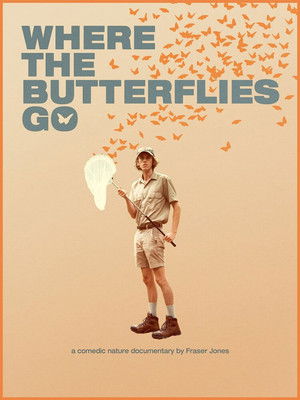
Where the Butterflies Go
In a pathetic attempt to host his own children’s nature show, a failing filmmaker travels 3,000 miles asking North Americans how to save the endangered monarch butterfly, and ourselves, from extinction.
2022
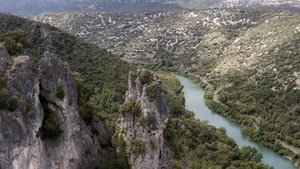
Les Trésors cachés des gorges
2022
Breaking Boundaries: The Science of Our Planet
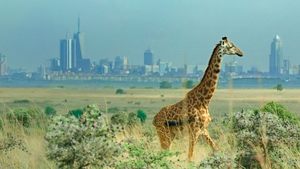
David Attenborough and scientist Johan Rockström examine Earth's biodiversity collapse and how this crisis can still be averted.
2021
Sur le Front des Océans
2019
Bacterial World
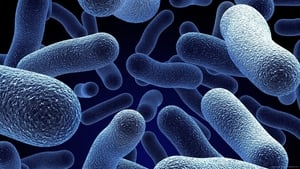
Coming in all shapes and sizes, bacteria are present in every corner of the Earth. Their purposes and types are even more diverse, with only 1% being truly harmful. Dive into the world of Bacteria to experience the latest discoveries and scientific knowledge surrounding these plentiful and necessary microbes.
2016
La clara y oscura
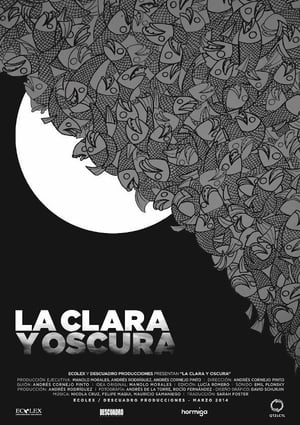
Salango is a small parish south of Manabí. What this land means to Ecuador, however, is huge. Its name is associated with the pre-Columbian legacy of the Manta Wancavilca cultures, the humpback whales that arrive each year to mate, the homonymous island and its coral reefs, the great wealth of marine fauna. It is there, in one of the places with the greatest archeological and environmental heritage of our country, where the Polar fishmeal processor has been operating for 35 years. What does not emerge from the idyllic postcards of the area is the foul smell that pollutes the air, the portrait of people sick from the factory's toxic wastes, the disgusting black smoke that flows into the sea directly from the processor pipeline. That is why it is the struggle of the few members of the community who have not given up and demand that Polar leave.
2014
Semences : les gardiens de la biodiversité
2014
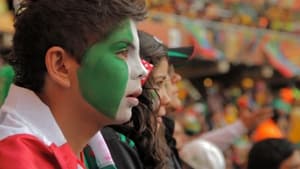
12th Warrior
A documentary that tries to explain the reason for the passion of the Mexican football fandom.
2011
Itapoa - Un proyecto que camina
Dessine - moi une hirondelle
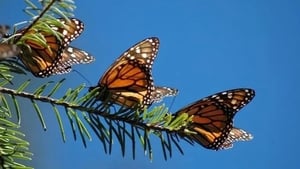
The Incredible Journey of the Butterflies
Orange-and-black wings fill the sky as NOVA charts one of nature's most remarkable phenomena: the epic migration of monarch butterflies across North America. To capture a butterfly's point of view, NOVA’s filmmakers used a helicopter, ultralight, and hot-air balloon for aerial views along the transcontinental route. This wondrous annual migration, which scientists are just beginning to fathom, is an endangered phenomenon that could dwindle to insignificance if the giant firs that the butterflies cling to during the winter disappear.
2009
From the Interior, Colonized
Vandana Shiva discusses biodiversity at the World Women’s Congress for a Healthy Planet in Miami, Nov. 1991 in advance of the Earth Summit. In a follow up workshop women devise policy. Wangari Maathai reads the final platform. At a concluding press conference, Peggy Antrobus underscores that the real issues were discussed by women in Miami, and will not be put forth in Rio.
1992
Birds in Paradise
By some measures, it’s a tiny country, just .03% of the Earth’s landmass. But when it comes to wildlife, Costa Rica is an ecological giant, bursting with a density of species and diverse habitats unparalleled anywhere else in the world.