Watch Beyond Kicks (1972) Online Free
In the early 1970s, a group of young volunteers, the Free Youth Clinic of Winnipeg, operated a "crisis bus" to rescue young people experiencing bad drug trips, usually from LSD.
More Like This
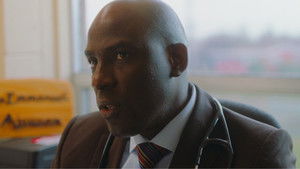
Relentless Hurdles, Resilient Hearts
A compassionate Black immigrant physician shares his personal experience of systemic barriers and resilience required to overcome racial disparities and address critical gaps. The documentary highlights the intersectional challenges of race, immigration, and inequities in Canada's healthcare landscape and how this impacts his mental wellbeing.
2025
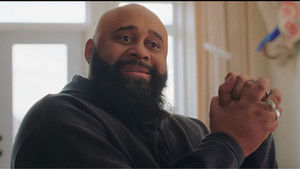
Under Pressure
“Under Pressure” examines the unique struggles of African Nova Scotian men through the perspective of Dennis Adams Jr., a bald, bearded Black man. With raw honesty, the film weaves themes of identity, mental health, and personal growth, offering an intimate look at life in modern-day New Scotland (Nova Scotia).
2025

In a Film by Allan King
In 1968, Billy and Antoinette Edwards participated in a landmark documentary that would intimately observe their turbulent relationship. Over 50 years later, their son Bogart sat down to view and discuss the resulting film, A Married Couple.
2024
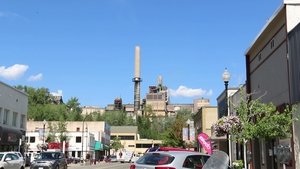
The Ballad of Ginger Goodwin
Documentary on BC labor activist Ginger Goodwin, his career as a striker, anti-war efforts, and assassination. Explores locations around Cumberland and the West Kootenays in present day.
2024
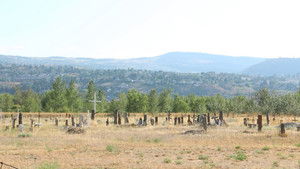
Gentleman Bandit
Documentary on the Canadian career of train robber Billy Miner, who became a folk hero in British Columbia. Locations near Kamloops and Mission are explored in present day.
2024
Green Light
Moments of a group of high school students at a party, before the college admission tests start.
2023
Origins of consciousness
Experimental meditation on land, consciousness, and artificial intelligence. Shot in the Okanagan and West Kootenays. Original music by Jack Brintnell.
2023
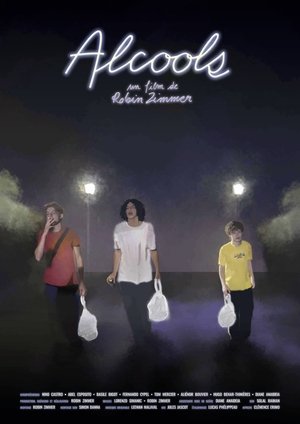
Alcools
2023
Seven for Jack
Documentary on career criminal Jack Black during an episode of burglary in Victoria BC. Locations around Victoria and Vancouver are explored in present day, with narration from Black's autobiography.
2022
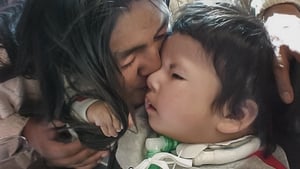
Jordan River Anderson, The Messenger
The story of a young boy forced to spend all five years of his short life in hospital while the federal and provincial governments argued over which was responsible for his care, as well as the long struggle of Indigenous activists to force the Canadian government to enforce “Jordan’s Principle” — the promise that no First Nations children would experience inequitable access to government-funded services again.
2019
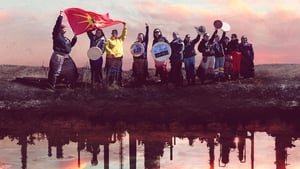
There's Something in the Water
Elliot Page brings attention to the injustices and injuries caused by environmental racism in his home province, in this urgent documentary on Indigenous and African Nova Scotian women fighting to protect their communities, their land, and their futures.
2019

Whitney: Can I Be Me
The life and tragic death of Whitney Houston.
2017
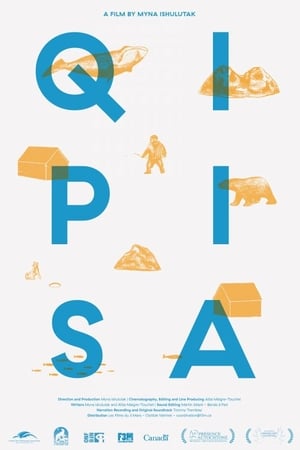
Qipisa
The director goes back to her roots in Pangnirtung, amongst her family and community. It leads her to another journey: to Qipisa, the outpost camp from where they were uprooted.
2017
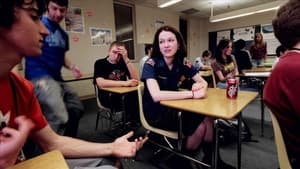
American Teen
A documentary on seniors at a high school in a small Indiana town and their various cliques.
2008

Bowling for Columbine
This is not a film about gun control. It is a film about the fearful heart and soul of the United States, and the 280 million Americans lucky enough to have the right to a constitutionally protected Uzi. From a look at the Columbine High School security camera tapes to the home of Oscar-winning NRA President Charlton Heston, from a young man who makes homemade napalm with The Anarchist's Cookbook to the murder of a six-year-old girl by another six-year-old. Bowling for Columbine is a journey through the US, through our past, hoping to discover why our pursuit of happiness is so riddled with violence.
2002
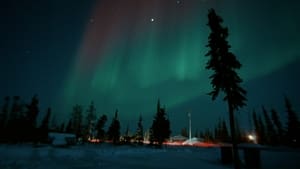
Picture of Light
A documentary of an expedition to Churchill, Manitoba to film the Northern Lights.
1994
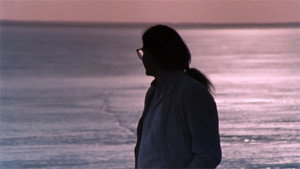
Foster Child
Gil Cardinal searches for his natural family and an understanding of the circumstances that led to his becoming a foster child. An important figure in the history of Canadian Indigenous filmmaking, Gil Cardinal was born to a Métis mother but raised by a non-Indigenous foster family, and with this auto-biographical documentary he charts his efforts to find his biological mother and to understand why he was removed from her. Considered a milestone in documentary cinema, it addressed the country’s internal colonialism in a profoundly personal manner, winning a Special Jury Prize at Banff and multiple international awards.
1987
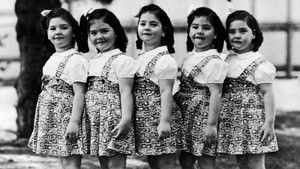
The Dionne Quintuplets
In 1934, Elzire Dionne delivered five identical girls. The Dionne Quintuplets follows Cecile, Emilie, Marie, Yvonne and Annette through twenty-one years of strange upbringing. When the girls were just infants, the premier of Ontario issued a court order removing them from parental care. Cut off from the world and their family, over-publicized, viewed twice daily in a special viewing compound, they grew up as prize exhibits. Director Donald Brittain uses old newsreel footage, home-movie sequences and interviews to depict a historic event that became a tragic exploitation of a family.
1978

Like It Is
This documentary on the "youth movement" of the late 1960s focuses on the hippie pot smoking/free love culture in the San Francisco Bay area.
1968
The Royal Visit
This feature documentary offers a complete record of the 1939 Royal Tour of Canada by King George VI and Queen Elizabeth. The film opens as the royal couple makes a stop in Québec city, where Premier Duplessis greets them. They then visit Montréal and meet mayor Camilien Houde. A visit to Ottawa brings them to Parliament, where Prime Minister MacKenzie King is present. The visit continues throughout Ontario, the prairies, and western Canada. The Royal couple also makes a brief stop in Washington and meets President Franklin Roosevelt. They then stop in on the Maritime provinces before boarding a Royal yacht for the journey back to England.
1939