Watch Berliner Trance (1993) Online Free
This lost classic, shot on 16mm in a wintry Berlin in 1993, explores the origins of the German trance scene. Featuring interviews with fresh-faced selectors including Laurent Garnier and MFS Records founder Mark Reeder, the documentary also feature footage from the city's iconic Love Parades in 1991 and 1993.
Cast
Mark Reeder, Paul van Dyk, Dr. Motte, Laurent Garnier, Mijk van Dijk, Paul Browse
More Like This
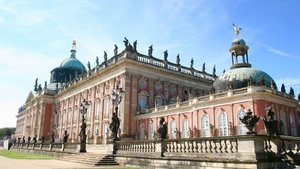
Sanssouci, Friedrichs Paradies
2025

Avicii - My Last Show
On Aug. 28, 2016, Tim Bergling, better known as Avicii, graced the stage of the Ushuaïa nightclub in Ibiza for what would be his final performance.
2024

X-Coast Deejay Academy - Nu Style / Desert Storm
In a mockumentary style reality show, we follow X-Coast aka Bojan Cizmic going over the world and marketing his X-Coast Deejay Academy. On his travels he meets various known alumni from the techno scene. But when trouble starts, return to homeland is the best solution.
2024

A Techno Tragedy
An explosion in the underground music scene is met by massive investment into Tucson, Arizona. Documentarian, Ty Besh, followed the scene from 2016 to 2018 showing the vast changes that happened to the people, venues, and scene in just 2 years. This Documentary serves as an archive and also a reminder to everyone in the DIY scenes across the world that moments come and go.
2024

Tunnel to Freedom
13 August 1961: the GDR closes the sector borders in Berlin. The city is divided overnight. Escape to the West becomes more dangerous every day. But on September 14, 1962, exactly one year, one month and one day after the Wall was built, a group of 29 people from the GDR managed to escape spectacularly through a 135-meter tunnel to the West. For more than 4 months, students from West Berlin, including 2 Italians, dug this tunnel. When the tunnel builders ran out of money after only a few meters of digging, they came up with the idea of marketing the escape tunnel. They sell the film rights to the story exclusively to NBC, an American television station.
2021
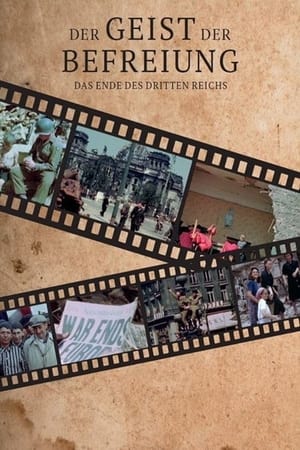
Der Geist der Befreiung – Das Ende des Dritten Reichs
Experience the fall of the Third Reich like never before, the last year of the war and the liberation of Europe from Nazi rule. Documented up close by the most courageous cameramen of their time and uniquely edited. The most authentic documentary about the fall of Hitler's Germany, over ninety minutes of brilliant HD color footage with impressive original commentary from the time.
2017
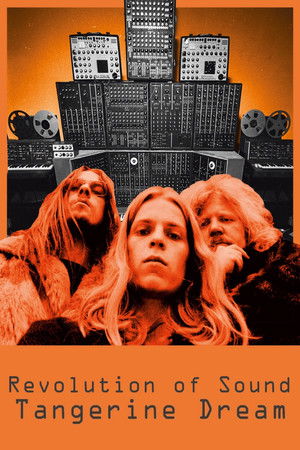
Revolution of Sound - Tangerine Dream
‘Tangerine Dream is science fiction!’ declares band leader Edgar Froese who died in January, 2015 aged 70. For almost fifty years he and his band ‘Tangerine Dream’ explored sound and its effect on our emotions. This film about one of Germany’s first electronic bands kicks off with the young Berlin musicians who were as inspired by the space age of the 1960s, with its rocket launchings and visions of the future, as they were by their own heartbeat, on which Froese also based compositions. Aided by the Moog and other synthesisers Froese (and various band members) revolutionised popular music. His explorations took him into the worlds of classical, new and film music. He preferred to visualise moods rather than create clearly structured songs. A blend of amateur footage, interviews with band members, relatives, friends and colleagues such as Jean-Michel Jarre that creates a comprehensive portrait of an artistic pioneer.
2017
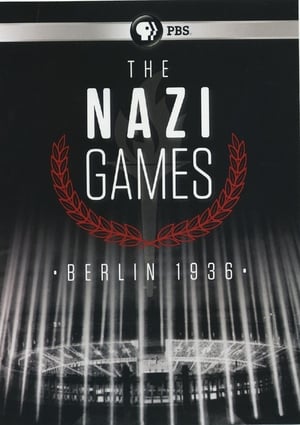
Olympia 1936. Der verratene Traum
The film chronicles the story of how the Nazis and the IOC turned, to their mutual benefit, a small sports event into the modern Olympics. The grand themes and controversial issues from the 1936 Games have continued to this day: Monumentality, budget overruns, collusion with authoritarian regimes, corruption and sometimes even bribery.
2016
Grenzpunkt Beton
Documentary short film about the afterlife of the remnants of the Berlin Wall.
2015
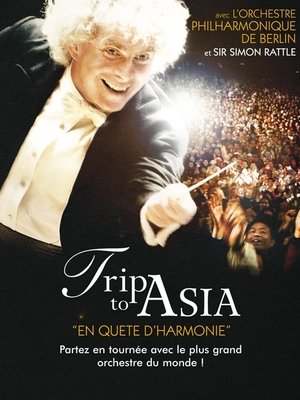
Trip to Asia: The Quest for Harmony
Journey with the musicians of the Berlin Philharmonic and their conductor Sir Simon Rattle on a breakneck concert tour of six metropolises across Asia: Beijing, Seoul, Shanghai, Hong Kong, Taipei and Tokyo. Their artistic triumph onstage belies a dynamic and dramatic life backstage. The orchestra is a closed society that observes its own laws and traditions, and in the words of one of its musicians is, “an island, a democratic microcosm – almost without precedent in the music world - whose social structure and cohesion is not only founded on a common love for music but also informed by competition, compulsion and the pressure to perform to a high pitch of excellence... .” Never before has the Berlin Philharmonic allowed such intimate and exclusive access into its private world.
2008

Favela on Blast
For 20 years, a subculture has emerged in Brazil under society's radar. It is the culture surrounding 'funk carioca', a musical rhythm which mixes the American electronic funk of the 1980s with the most diverse influences of Brazilian music. 'Baile funk' is one of the most interesting musical movements in the world, but it comes from what is at times one of the most violent and poorest places in the world: the slums of Rio de Janeiro (favelas). This music is the personalization of the raw element. Bombastic rhythms coming from the American Miami Bass and samples are fused with powerful rap vocals using Brazilian slang. This documentary tells stories of sex, love, poverty, and pride among Rio's marginalized people. They have their own language, style, and heroes. It's a film that's fast, heavy, and violent like the city itself.
2008

Prinzessinnenbad
A film about three teenagers - Klara, Mina and Tanutscha - from the Berlin district of Kreuzberg. The trio have known each other since Kindergarten and have plenty in common. The three 15-year-olds are the best of friends; they are spending the summer at Prinzenbad, a large open-air swimming pool at the heart of the district where they live. They're feeling pretty grown up, and are convinced they've now left their childhood behind.
2007
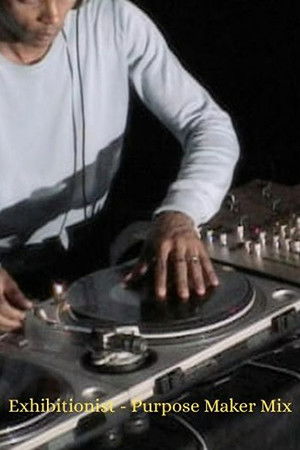
Exhibitionist—Purpose Maker Mix
Witness the artist at work as legendary Detroit techno pioneer Jeff Mills creates a live DJ mix with astonishing, hypnotic dexterity.
2004
Confessions of a Burning Man
The experience shared by four first-timers demonstrates how Burning Man dissolves the barriers between races, nationalities and economic classes. A beautiful piece of film-making which inspires and entertains as it provides some understanding about why people return year after year.
2003
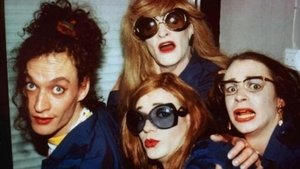
Queens Don’t Cry
Bosom buddies BeV StroganoV, Ovo Maltine, Ichgola Androgyn and Tima die Göttliche are four Berlin drag queens who met in the mid 1980s. These four queens became Germany’s most popular drag performers and have been busy fertilizing the German cultural scene. Besides being performers, they are also political activists – in AIDS awareness, anti-gay violence, the sex workers movement and the struggle against the extreme right and racism. The film tells their story.
2002
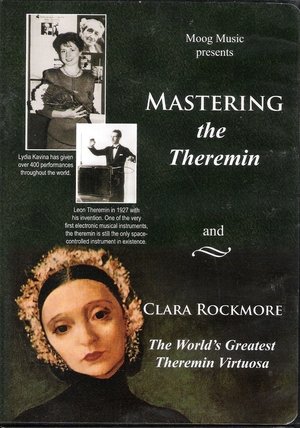
Clara Rockmore: The Greatest Theremin Virtuosa
Quite simply the finest theremin player who has ever lived, Clara Rockmore began her performing life as a violin prodigy at the age of 5 years old, still the youngest person ever admitted to the prestigious Imperial Conservatory of Saint Petersburg where she studied under the great Leopold Auer. Due to childhood malnutrition causing bone problems in her teen years, she was forced to give up the violin and moved to New York City in the mid 1920's where she met and became involved with Russian electronics genius Leon Theremin and helped him to refine and perfect his new instrument, giving advice from the standpoint of a musical performer to make the theremin more playable and developing her own hand techniques and exercises for playing the instrument.
1998
Lebensdaten
1976
Berliner Pflaster
Commissioned by the Berliner Landesbildarchiv, this movie shows countless impressions of (West) Berlin everyday life, accentuated with self-ironic commentary.
1956

How the Berlin Worker Lives
This documentary shows how the Berliner workers lived in 1930. The director Slatan Dudow shows through images: a) the workers leaving the factory; b) the raise of the rents; c) the "unpleasant" guest, meaning the justice officer that brings the eviction notice; d) the fight of classes of the houses of capitalists and working classes; e) the parks of the working class; f) the houses of the working class, origin of the tuberculosis and the victims; g) the playground of the working class; h) the swimming pool for the working class, ironically called the "Baltic Sea" of the working class; i) the effects of humidity of basement where a family lives, with one member deaf; j) one working class family having dinner while the capitalist baths his dog; k) the eviction notice received from an unemployed family and their eviction.
1930
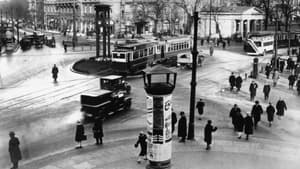
Berlin: Symphony of a Great City
A day in the city of Berlin, which experienced an industrial boom in the 1920s, and still provides an insight into the living and working conditions at that time. Germany had just recovered a little from the worst consequences of the First World War, the great economic crisis was still a few years away and Hitler was not yet an issue at the time.
1927