Watch Ben: Diary of a Heroin Addict (2008) Online Free
Ben Rogers was a bright schoolboy from a loving, middle class family. He played in the orchestra, loved cricket and enjoyed the annual family holiday. But his future promise was halted when he started taking drugs in his teens. Early drinking led to cannabis, harder drugs, and then the revelation to his family, at the age of 21, that he was addicted to heroin. Over the next 13 years Ben and his family battled with his addiction, going through detox, rehab and attempts at 'cold turkey', but his health gradually declined. Whilst attempting another detox aged 34, he died from a brain haemorrhage. But during the last two years of his life, Ben filmed an unflinching video diary showing his final desperate attempts to come off heroin. It's a portrayal of his descent; intimate, raw, and at times difficult to watch, he talks to his glove puppet as he injects into a vein in his groin.
Cast
Ben Rogers
More Like This
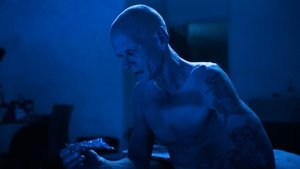
Paradise Morbid
2025

I forgive you, Mama
Maya is Ayaibex's daughter, an addict in recovery that feels a blame for damages that caused her daughter, Maya decides to remember her mother's childhood experiences in her world of addiction to seek the redemption of the weight that her mother has loaded for 20 years and get both to forgiveness.
2024
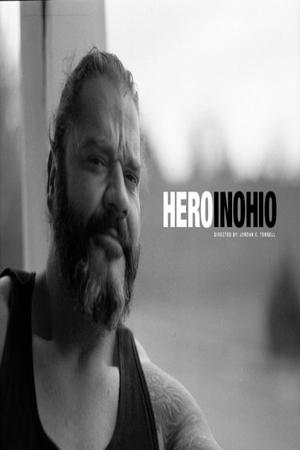
HEROINOHIO
In the documentary, we follow twin brothers Mike and Chuck Rollins, former addicts who now work in addiction recovery. They know firsthand the struggles and vulnerabilities of addiction, as well as the challenges of reintegrating after treatment. For many addicts, returning to neighborhoods plagued by drugs and abandoned houses that serve as drug dens makes relapse almost inevitable. Through their nonprofit, Gemini Reliance, the Rollins brothers purchase dilapidated homes and transform them into safe, sober living spaces for those in recovery. Their efforts have proven effective, yet sobriety remains a constant battle. The story of HEROINOHIO begins as a profile of these two brothers but soon unfolds into a raw account of a fight against the powerful grip of addiction, revealing the relentless resilience required to reclaim one’s life.
2022

Shiny_Flakes: The Teenage Drug Lord
Max S. reveals how he built a drug empire from his childhood bedroom in this story that inspired the series "How to Sell Drugs Online."
2021

Nightcrawlers
For five years, Stephen McCoy documented street life in Boston. This is what he captured.
2019
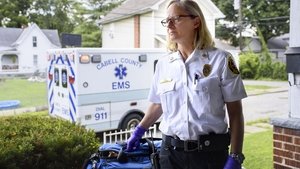
Heroin(e)
This documentary follows three women — a fire chief, a judge, and a street missionary — as they battle West Virginia's devastating opioid epidemic.
2017
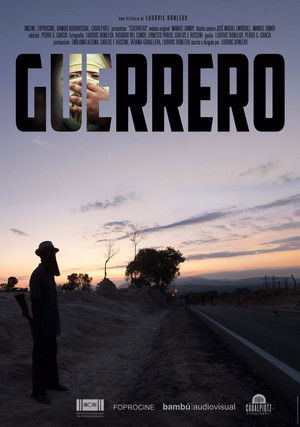
Guerrero
In the state of Guerrero, México, activists Coni, Juan and Mario rebel against impunity, regardless of the sacrifices and risks - even mortal - that their struggles involve.
2017
Catapult
Norbert Witte, once the king of the only amusement park of the former GDR, today he is behind bars in Germany. When fleeing bankruptcy in Berlin, Norbert Witte and his family secretly shipped their rollercoasters to Peru. Things went wrong here too. In a desperate attempt, Norbert tried to smuggle cocaine to Germany. Three years later his 23 years old son Marcel was sentenced to 20 years in a Peruvian prison. Now the father is doing everything he can in order to free his son.
2009

Run for Your Life!
He lived the junkie's life as a heroin addict. Triathlon transformed him. Biopic of the record breaking Ironman Andreas Niedrig.
2008
Rock of Ages: The Rolling Stones
For over four decades the Rolling Stones have been on top. Arrests, drugs, fall-outs, death and relationships have stood center stage with eight consecutive number one albums in the US and sold out live shows.
2008
Rock Bottom: From Hell to Redemption
Documentary following Jason Mewes' withdrawal from heroin and his struggle to stay clean.
2007
Methadonia
Shot over the course of 18 months in New York City's Lower East Side, METHADONIA sheds light on the inherent flaws of legal methadone treatments for heroin addiction by profiling eight addicts, in various stages of recovery and relapse, who attend the New York Center for Addiction Treatment Services (NYCATS).
2005
Dig!
A documentary on the once promising American rock bands The Brian Jonestown Massacre and The Dandy Warhols. The friendship between respective founders, Anton Newcombe and Courtney Taylor, escalated into bitter rivalry as the Dandy Warhols garnered major international success while the Brian Jonestown Massacre imploded in a haze of drugs.
2004
Cutaway
The successful undercover agent Victor Cooper is assigned for his ninth mission: to find how the loadings of drug is being brought to Miami. He suspects that the drug is coming through the air and joins a team of sky diving, under the leadership of Red Line, a fanatic and considered the athlete number one in this sport in the world. Due to his profile of winner, Vic gets involved with the group and he "disconnects" from his position of infiltrated agent, "connecting" with the team.
2000

Scénarios sur la drogue
2000
Life of Crime 2
This follow-up to the 1989 documentary ONE YEAR IN A LIFE OF CRIME revisits three of the original subjects in New Jersey during a five-year period in the 1990s. We share in their triumphs and setbacks as they navigate lives of poverty, drug abuse, AIDS, and petty crime.
1998
Løsladt - Henrik tur/retur
1997
Hype!
This documentary examines the Seattle scene as it became the focus of a merging of punk rock, heavy metal, and innovation. Building from the grass roots, self-promoted and self-recorded until break-out success of bands like Nirvana brought the record industry to the Pacific Northwest, a phenomenon was born.
1996

Opium: The White Powder Opera
Set in Hong Kong, the narcotics documentary Opium: The White Powder Opera (1976-77) was commissioned by a British television station. Yung, its associate producer and cinematographer, joined the surveillance team of the Narcotics Bureau to acquaint himself with the workings of the drug trade. This paved the way for The System. In addition to the cat-and-mouse game between the cops and the druglord, a fascinating thread traces the relationship among dealers, junkies and mules in Sai Ying Pun. The title hails from Brecht’s The Threepenny Opera, another tragedy concerned with a capitalist society’s oppressed and exploited nobodies.
1976

Pay-Off In Pain
The personal and social tragedy of drug addiction with its evil accompaniment, drug traffic. Over the side of the silent liner in the darkness slips the package of smuggled narcotics, introducing us to the complex problem which involves all races and classes of man. We see many aspects of addiction - the addict preparing an injection, a group waiting tensely for their dope peddler; agents preparing and adulterating the illegal product; the police catching a pusher red-handed. International and national authorities are working from two angles - suppression of the illicit traffic; and where possible, rehabilitation of the addict.
1948