Watch Bearing Witness (2005) Online Free
Follow five women reporters and the challenges they face as they work in Iraq during the Second Gulf War. Molly Bingham is an experienced photographer who was held for several days at Abu Ghraib prison at the start of the war. Marie Colvin is a reporter who lost her eye to a grenade while working in Sri Lanka. Janine di Giovanni has to deal with the difficulties of becoming a mother and still working to fulfill her duties as a journalist. Mary Rogers is a camerawoman who continues to put herself in harm's way in an effort to get the proper footage to cover her stories.
Cast
May Ying Welsh, Mary Rogers, Janine di Giovanni, Molly Bingham, Marie Colvin
More Like This
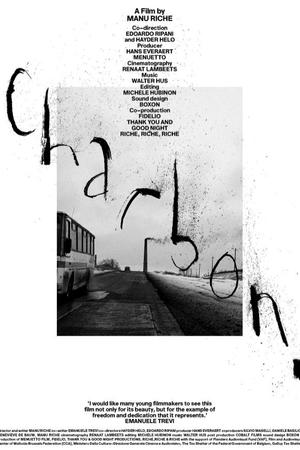
Coal
CHARBON depicts how Europe was built on fossil fuels over the past 100 years. And how it was torn apart by wars that were the result of these same fossil fuels. During 3 trips to Ukraine, Italy and Iraq, filmmaker Manu Riche explains how he and his French-German family are inseparably connected to the fate of the Iraqi filmmaker and refugee Hayder Helo.
2025

When We Speak
Three incredible stories of women who risked everything to tell the truth. Their stories became worldwide scandals and took a personal toll on each of their lives
2022
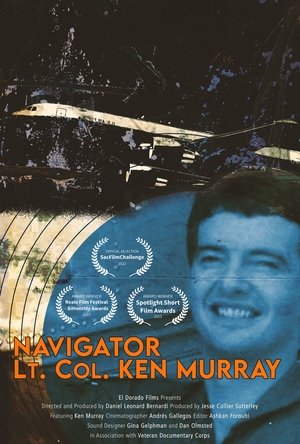
Navigator: Lt. Col. Ken Murray
A former U.S. Air Force air tanker navigator, Lt. Col. Ken Murray’s career takes us from the horrific accident that killed 70 people at an airshow demonstration to Operation Just Cause in Panama and to the Iraq War. Through it all, we experience air operations, post-deployment divorce, a new career as a famed sports photographer and new loves.
2022
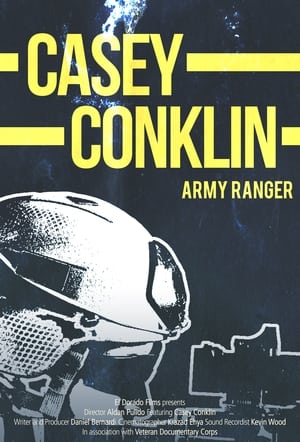
Casey Conklin: Ranger Battalion
Casey Conklin joined the 3rd Ranger Battalion as a medic, because he always believed they were the toughest group around. After his experience in the Battle of Mosul in Iraq and receiving his Ranger tab, he doesn't question how tough he is. After returning home, he finds that he still must challenge himself to stay healthy and redefine toughness at home.
2013
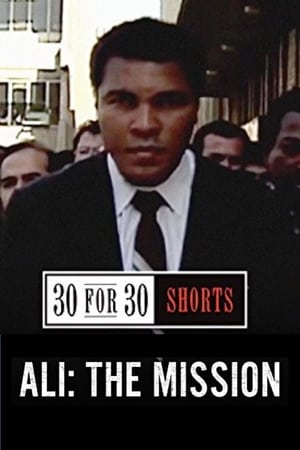
Ali: The Mission
The feats of Muhammad Ali's remarkable life. In 1990, the boxing legend traveled to Iraq to press a plea for peace and negotiate with Saddam Hussein for the release of U.S. civilians taken hostage after Iraq's invasion of Kuwait. Ali risked his reputation, health and safety for the freedom of prisoners held by Hussein as "human shields" to deter U.S. military strikes. Only six weeks after Ali brought 15 hostages back home to their relieved families, Operation Desert Storm bombarded Iraq.
2013
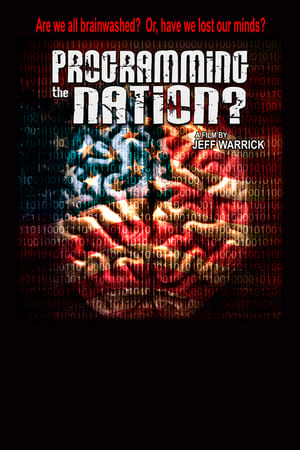
Programming the Nation?
Programming the Nation? takes an encompassing look at the history of subliminal messaging in America. According to many authorities, since the late 1950s subliminal content has been tested and delivered through all forms of mass-media including Hollywood filmmakers Alfred Hitchcock and William Friedkin. Even our modern military has been accused of these practices in the "war on terror" against soldiers and civilians both abroad and at home. With eye-opening footage, revealing interviews, humorous anecdotes, and an array of visual effects, the film categorically explores the alleged usage of subliminals in advertising, music, film, television, anti-theft devices, political propaganda, military psychological operations, and advanced weapons development. Director Jeff Warrick makes it his personal mission to determine if these manipulative tactics have succeeded in "programming the nation?" Or, if subliminal messaging belongs in the category of what many consider urban legend.
2011
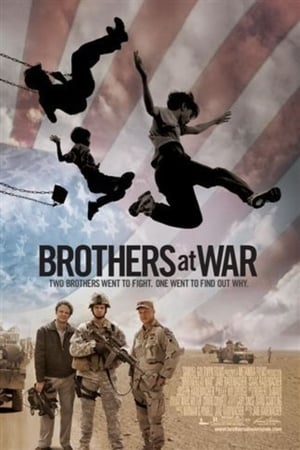
Brothers at War
BROTHERS AT WAR is an intimate portrait of an American family during a turbulent time. Jake Rademacher sets out to understand the experience, sacrifice, and motivation of his two brothers serving in Iraq. The film follows Jake’s exploits as he risks everything—including his life—to tell his brothers’ story.
2009
The Fallen
A powerful and poignant film in which families and friends of those who have died fighting in Afghanistan and Iraq talk openly about their loved ones and their grief. Epic in scale and spanning seven years of war, this landmark three-hour film gives a rare insight into the personal impact and legacy of this loss.
2008
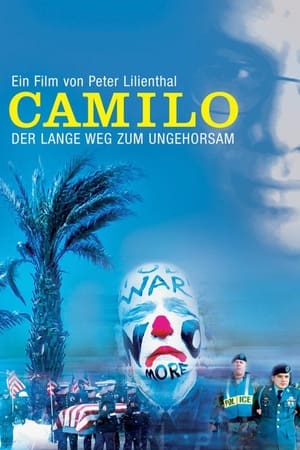
Camilo: The Long Road to Disobedience
The award-winning filmmaker Peter Lilienthal is dedicated to this extremely poignant documentary of U.S. military policy and the living conditions of former resistance fighters in Latin America.
2008
Where in the World Is Osama Bin Laden?
Morgan Spurlock tours the Middle East to discuss the war on terror with Arabic people.
2008

Deserter
Deserter follows Ryan Johnson and his wife Jen during their flight from the Central Valley of California to Toronto, Canada. Johnson deserted the American army after hearing that he was going to be deployed to Iraq, despite assurances that this would not happen. Like many of his contemporaries, Johnson only joined the army because he could not find a job, and he sees the war in Iraq as both illegal and immoral. Desertion means imprisonment, so he decides to flee, realising that there will be no way back. Johnson seeks advice from various helpful organisations that guide him and Jen to Canada. The employees include both Vietnam veterans and young soldiers who have already served in Iraq.
2007
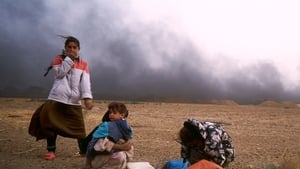
Iraq in Fragments
An opus in three parts, Iraq In Fragments offers a series of intimate, passionately-felt portraits: A fatherless 11-year-old is apprenticed to the domineering owner of a Baghdad garage; Sadr followers in two Shiite cities rally for regional elections while enforcing Islamic law at the point of a gun; a family of Kurdish farmers welcomes the US presence, which has allowed them a measure of freedom previously denied. American director James Longley spent more than two years filming in Iraq to create this stunningly photographed, poetically rendered documentary of the war-torn country as seen through the eyes of Sunnis, Shiites and Kurds.
2006
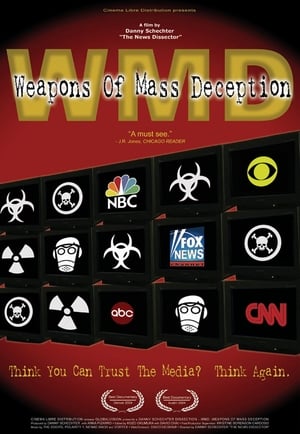
WMD: Weapons of Mass Deception
There were two wars in Iraq--a military assault and a media war. The former was well-covered; the latter was not. Until now... Independent filmmaker, Emmy-award winningTV journalist, author and media critic, Danny Schechter turns the cameras on the role of the media. His new film, WMD, is an outspoken assessment of how Pentagon propaganda and media complicity misled the American people...
2004
Uncovered: The Whole Truth About The Iraq War
Interviews with varied U.S officials and experts offer a deconstruction on the Bush administration's case for war in Iraq in the wake of 9/11.
2004

Gunner Palace
American soldiers of the 2/3 Field Artillery, a group known as the "Gunners," tell of their experiences in Baghdad during the Iraq War. Holed up in a bombed out pleasure palace built by Sadaam Hussein, the soldiers endured hostile situations some four months after President George W. Bush declared the end of major combat operations in the country.
2004

Fahrenheit 9/11
Michael Moore's view on how the Bush administration allegedly used the tragic events on 9/11 to push forward its agenda for unjust wars in Afghanistan and Iraq.
2004

Control Room
A chronicle which provides a rare window into the international perception of the Iraq War, courtesy of Al Jazeera, the Arab world's most popular news outlet. Roundly criticized by Cabinet members and Pentagon officials for reporting with a pro-Iraqi bias, and strongly condemned for frequently airing civilian causalities as well as footage of American POWs, the station has revealed (and continues to show the world) everything about the Iraq War that the Bush administration did not want it to see.
2004
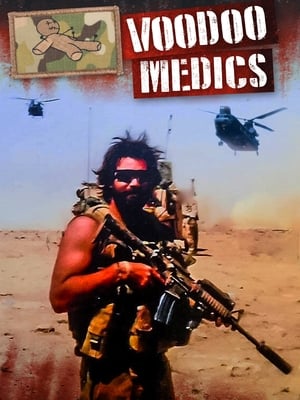
Voodoo Medics
About trauma, resilience and post-traumatic growth in the medics who served with Australia's special forces in Afghanistan. From losing mates in the battlefield to treating horrifically injured Afghan kids in remote surgical theatres.
Comical Ali
Comical Ali is a spoof documentary about the thus-nicknamed former Iraqi Minister for Information, Mohammed Saeed Al-Sahaf, whose bravura performances at press conferences throughout the brief Iraq War of 2003 turned him into a global icon.
2003
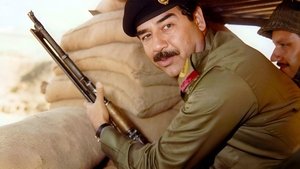
Uncle Saddam
Everything you've ever wanted to know about Saddam Hussein (but were afraid to ask).
2000