Watch Avgörandet (1982) Online Free
Short film about the dangers of doing drugs.
Cast
Catharina Alinder, Dominik Henzel, Cecilia Ancker, Hannes Holm, Björn Andersson, Kjell Tovle, Kåre Mölder, Britt-Louise Tillbom, Rolf Larsson, Marie-Louise Mannervall
More Like This

Ape Principal
A new principal comes to the underdeveloped village school that is affected by lazy teachers and drugs.
2023

Həyat Naminə
Short film about rehabilitation, dedicated to a healthy future at the Hayat Namine rehabilitation center.
2023
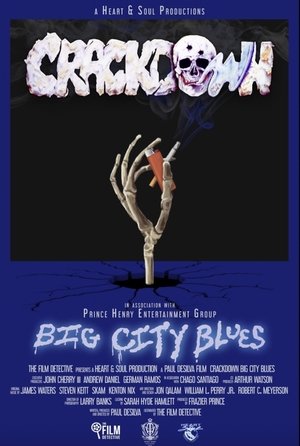
Crackdown Big City Blues
Set in New York City in the 1990s, community activists seek to rid their neighborhood of the anguish, brutality, and violence associated with local drug dealers.
2018
B14? 2
Sequel to "B14." Rival gangs fight over a cocaine shipment. One of the gangs, led by a ruthless woman named Lan Di, has a superhumanly powered assassin named Scorpion at her disposal.
2012

Grass
Marijuana is the most controversial drug of the 20th Century. Smoked by generations to little discernible ill effect, it continues to be reviled by many governments on Earth. In this Genie Award-winning documentary veteran Canadian director Ron Mann and narrator Woody Harrelson mix humour and historical footage together to recount how the United States has demonized a relatively harmless drug.
1999
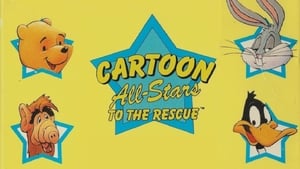
Cartoon All-Stars to the Rescue
The plot chronicles the exploits of Michael, a teenager who is using marijuana and stealing his father's beer. His younger sister, Corey, is worried about him because he started acting differently. When her piggy bank goes missing, her cartoon tie-in toys come to life to help her find it. After discovering it in Michael's room along with his stash of drugs, the various cartoon characters proceed to work together and take him on a fantasy journey to teach him the risks and consequences a life of drug-use can bring and save the world.
1990
The Flintstone Kids' "Just Say No" Special
A special that shows the young Flintstones trying to raise money so they can go to a concert. The story takes a turn when older kids try to push drugs on them.
1988
From Candy to Cocaine
In this film titled “From Candy to Cocaine” from 1986, the “Teens Kick-Off” performance group, a performance group recovering from alcohol and drug abuse, perform a modern theater piece on their personal stories of addiction and recoveries. The film also portrays adolescents, who share their stories from use and abuse to recovery. Real people, not actors, speak frankly about their addiction in a theater setting. Parents share their feelings, illustrating the family’s struggles. The film ends on a positive note, emphasizing recovery. It is produced in cooperation with the National Institute on Drug Abuse and the Department of Health and Human Services, directed by Terry Losardo, photographed by Charles Shedd, and edited by David Sherwin.
1986
Illusions: A film on Solvent Abuse
Public Information Film on the dangers of solvent abuse.
1983
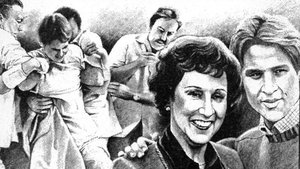
Angel Dusted
Cautionary anti-drug film based on a true story about the effects on Jean Stapleton and Arthur Hill when their teenage son (John Putch, Stapleton's real-life son) gets spaced out on a marijuana joint laced with PCP, or "angel dust," and the family is forced to wrestle with the crisis.
1981
It's My Hobby
A high school student faces a moral dilemma, should he turn in a friend who is dealing pills.
1974
WEED
This 1971 color anti-drug use and abuse film was produced by Concept Films and directed by Brian Kellman for Encyclopedia Britannica. “Weed: The Story of Marijuana” combines time-lapse, montage, illustrations, animation (by Paul Fierlinger and emigre Pavel Vošický) and dramatized, documentary-style interviews to survey the evolving role of cannabis in U.S. society, with emphasis on the legal risks faced by young people. A unique score of experimental synthesizer music is provided by Tony Luisi on an EMS VCS 3 “Putney”
1971
Parks and People: Dope
The transcript discusses the prevalent drug culture, particularly marijuana use, among youth in national parks. It highlights the perception that marijuana is less harmful than harder drugs and reflects on the challenges park rangers face in enforcing drug laws. While acknowledging the existence of drug trafficking, the narrative emphasizes that marijuana use is often seen as a minor issue compared to alcohol consumption or harder narcotics. The conversation also touches on the need for a more nuanced understanding of drug use, suggesting that current laws may be overly stringent and not reflective of societal attitudes.
1970

Heaven and Hell
Norwegian propaganda film and cult drama about Eva (16) and Arne (17), both from well established homes, attend a class where a professor says that cannabis is safer than alcohol. Together with some friends they decide to try the drug. The start of a drug hell for all involved. The film was poorly received by the critics, but it nonetheless became one of the highest-grossing theater films in Norway in 1969.
1969
LSD: Trip to Where?
LSD: Trip to Where? is a 1968 film depicting the experiences of three sailors who experiment with LSD and marijuana. The film explores the impact of their drug use on themselves and their peers aboard a military vessel, highlighting the perceived dangers associated with these substances during that era.
1968
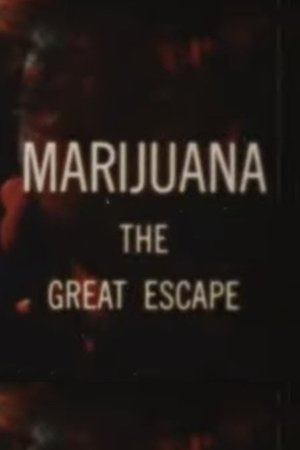
Marijuana The Great Escape
“Marijuana the Great Escape” was distributed by BFA and produced and directed by J. Gary Mitchell. This film tells the story of a young man who aspires to be a professional drag racer. But, he starts smoking marijuana, which impairs his ability to drive safely, and that leads to a terrible reckoning. The film was created in cooperation with the Inglewood Police Department.
1968
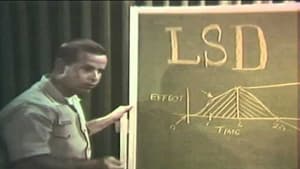
LSD
1967 Navy training film MN-10507-A. Navy physician talks about the dangers of LSD or "Russian roulette in a sugar cube." National Archives Identifier: 6379 "How LSD was discovered, the extreme dangers of using it and how it affects the brain and body."
1967
Beyond LSD
Educational film for parents to discuss LSD with their children.
1967
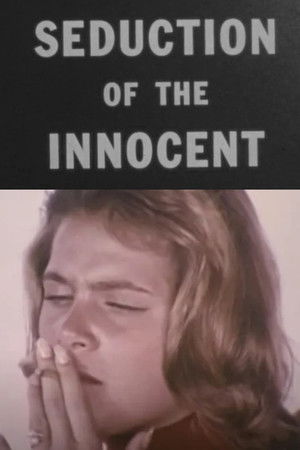
Seduction of the Innocent
Jeanette, a pretty high school student, is looking for “kicks”. She starts hanging out with a wild crowd, and begins popping bennies, uppers and other pills. Soon she graduates from barbiturates to marijuana…
1961
Not Me, It's A Trap
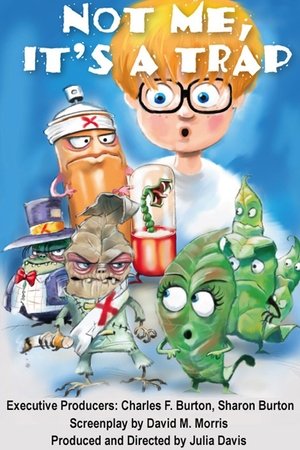
Professor Whyze and his 11-year-old son Tommy discover a hidden underworld where terrorist forces, led by veteran Hack, wage a “War on Kids,” using alcohol, drugs, and tobacco to stunt youth. They enlist Halfweed, a rebel from the tobacco ranks, to expose the epidemic. Mocked by classmates and ignored by authorities until death threats strike, Tommy must choose to warn his peers, stand with Halfweed, and help end the addiction assault, because it’s never wrong to do what’s right.