Watch Aufbruch Leipzig - Oktober 1989 (1990) Online Free
More Like This
Resident Ground Floor
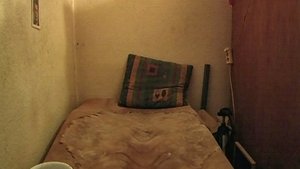
Heiko, 51, a sheet metal former trained in GDR times, unemployed since the fall of the wall, pisses on his bed and on the carpet. The film encounters Heiko's dysfunctional family history and his decision to be alone forever. Piss and GDR, a reflection of how deep the consequences of the fall of the Wall are still in the bodies of some people to this day.
2020

Reunification in the Ice: The Story of the Last GDR Antarctic Explorers
In 1989, thirteen GDR scientists and technicians set off from East Berlin to the Georg Forster research station in the Antarctic. During their expedition the Berlin Wall fell on November 9th. Cut off from the images that go around the world, the men can only experience the historical events passively. When they returned in the spring of 1991, their homeland was a foreign country. The documentary reconstructs the thoughts and feelings of the East German researchers on the basis of eyewitness accounts, diary excerpts, letters, film material, grandiose landscape shots from the location of the action and unique photos to make the consequences of the events tens of thousands of kilometers away on the small GDR expedition in the middle of the eternal ice tangible.
2020
Helga Paris, Fotografin
2019
Bischofferode. Das Treuhand Trauma
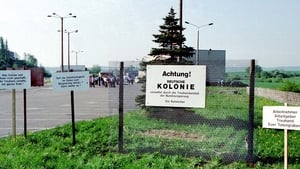
In 1990, when Bischofferode entered the market economy, potash production in East Germany was in third place in the world's export ranking and in West Germany in fourth place. Bischofferöder Kalisalz is of a special quality and the plant therefore had loyal customers in Western Europe, especially in Scandinavia, even before the fall of the Wall. In the West, there is a major competitor - BASF subsidiary Kali und Salz AG from Kassel. The film reconstructs the mega-deal in one of the world's most important raw materials markets. The so-called potash merger was the biggest economic deal of German reunification, which has cost the taxpayer almost two billion euros to date. The Free State of Thuringia - the federal state with the best potash deposits in Germany - is still the big loser of the mega-deal today. Thuringia may be rich, but it loses almost all its potash mines, along with Bischofferode, and now has to spend millions of euros each year to rehabilitate and secure its mines.
2018
Als wir die Zukunft waren
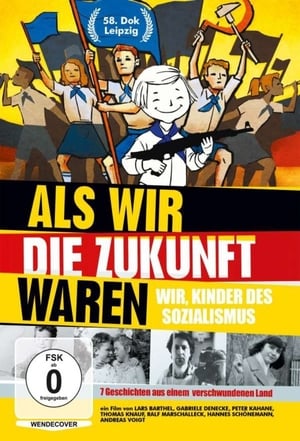
Seven directors remember their childhood and youth; to the 50s and 60s in the GDR. They appear to be curious, vulnerable children and teenagers who also want to be cool (even though the word doesn't exist for them yet). They live in well-adjusted or resistant families. Some only in half because their father left for the West. Depending on their family background, they want or should help build the new, better Germany.
2016
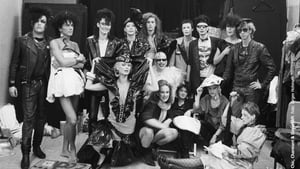
Comrade Couture
This film undertakes a journey into the amazing parallel universe of East Berlin’s fashion designers and experts in the art of survival. For, in the midst of the constraints of life in the GDR, there existed a fantasy world where it was possible to dance to another tune, be individual and even provocative. The most important characteristic of this bohemian scene was one’s per- sonal style. But this certainly wasn’t something that could be bought off the peg in the GDR. In this parallel universe it was up to you to create your own individual image – with your own hands. This film tells the story of the desires, the passion and the dreams that were tried and tested, lived and performed in the shadow of the Berlin Wall.
2009
Berlin 1990
Some months after the fall of the Berlin wall, during the time of federal elections in Germany in 1990, Chris Marker shot this passionate documentary, reflecting the state of the place and its spirit with remarkable acuity.
1990
...und der Vater blieb im Krieg. Begegnung mit syrischen Waisen
Director Junge was commissioned by the GDR in the country for the first time in the summer of 1970; his film In Syria auf Montage accompanies German engineers who train workers in the Homs textile factory. Shortly after filming ended, Hafez al-Assad put himself under the dictator. Twenty years later emerged ... the father stayed in the war over a youth club with Syrian orphans in Bad Saarow, whose fathers had died in the Lebanon war and accompanied them to Syria, where they were housed in separate, elite "schools of martyr children". Multi-faceted documents that oscillate between peaceful and tense, hopeful and unsettled.
1990
Wind sei stark
1990
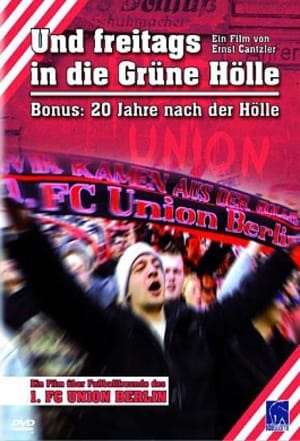
Und freitags in die "Grüne Hölle"
Ernst Cantzler’s documentary about the soccer fan club “Union”, the scenes in the stadium, in their club bar “Green Hell” and in the streets of Berlin was a sensation. The scenes shown by the director and his cameraman had never been seen before: young soccer fans full of violence in the “first German peaceful state”. They are Hooligans who live from one weekend to the other just to get it all out. They want to scream, kick, hit and drink.
1990
Dresden Oktober '89
1989
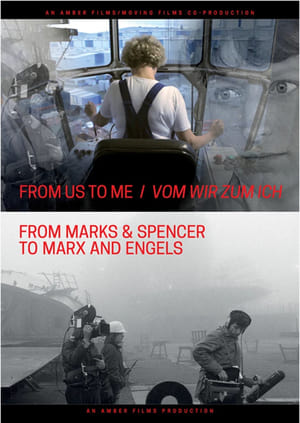
From Us To Me / Vom Wir zum Ich
This first co-production between the GDR and Great Britain is intended to contribute to an understanding of the situation and attitudes of millions of working people in opposing social orders. Using the example of shipyard workers, fishermen, the brigade and family of a trade union active cook and unemployed person of various ages and professions in Newcastle on the one hand and a brigade of crane operators of the Warnowwerft and fishermen of the Warnemünde cooperative on the other hand, insights into the way of life and attitudes of people of our time are to be conveyed.
1988
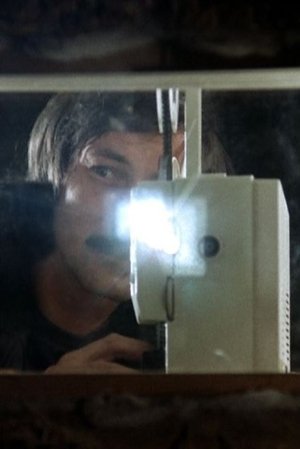
The Goat's Intensity
Absurd attempts to produce an amateur film about an amateur film company. The awards ceremony for the film takes place in a town cinema: 1st Prize for the leading lady: a goat.
1988
Die Demonstration
1984
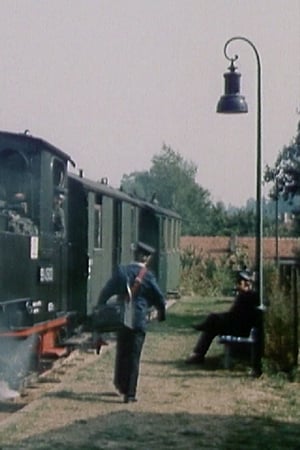
Lok im Garten - ein ungewöhnliches Hobby
1984
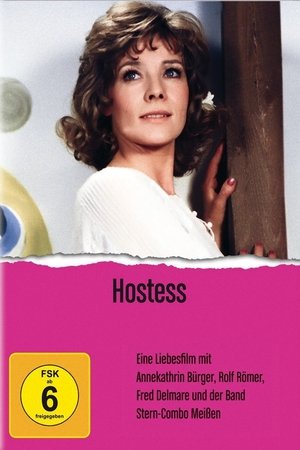
Bird Waking Weather
Jette and Johannes have been living together for two years when Johannes suggests that they "legalize" their relationship. Jette loves him, but the proposal of marriage terrifies her.
1976
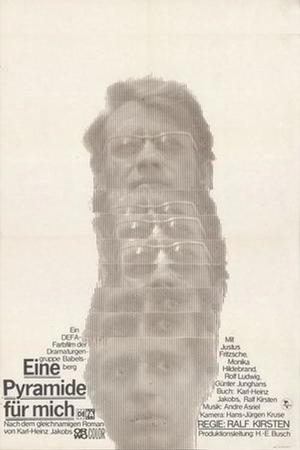
Eine Pyramide für mich
A conference is to be held once again to discuss the construction of a new dam, which Professor Paul Satie rejects. During a train journey, he spontaneously leaves the train. Here in Wolfsgrün, from 1948 to 1950, he helped build the old, now far too small dam as a youth brigadier. He and the others who helped build it have erected a monument to this. A monument with his name on it. Is that perhaps why he is against the new dam?
1975
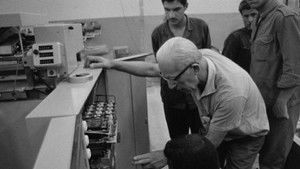
In Syrien auf Montage
The film is a reportage showing the help of workers from the GDR in the industrial reconstruction of Syria. We witness the friendly relationship between workers from both countries, who are jointly involved in the construction of the cotton spinning mill in Homs. In impressive pictures the exoticism of the environment and the mentality of the Syrian hosts is shown. At the same time it becomes clear that the workers from the GDR become 'ambassadors of the GDR' through their collegial behaviour and good work.
1971
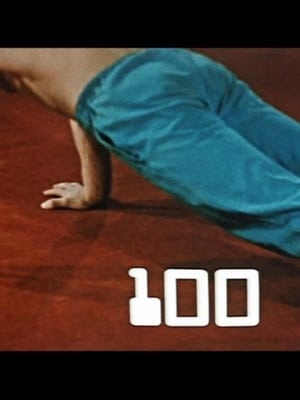
100
Push-ups to the rhythm of a metronome, a meter counting backward from 100; three words are shouted time and again: “dog – pig – monkey”.
1971
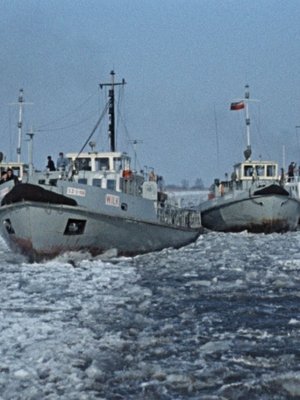
Auf der Oder
Documentary reports on the annual icing of the Oder in the 160-kilometer border area between the GDR and the People's Republic of Poland. Icebreakers from both countries with experienced skippers join forces to make the international waterway between Frankfurt and Szczecin navigable again. Everyone works hard as a team and even a broken-down ship cannot stop them from achieving their goal. A look back at the winter of 1947 with its flooding shows what the freezing of the river and the subsequent thaw can do if the ice floes are not drained into the Baltic Sea via Lake Dammsch in good time. The skippers from both countries have known each other for years and trust each other; the camaraderie that has developed on the Oder unites the people, they control the river in winter for the common benefit of all.
1970