Watch Aspettiamo! (2017) Online Free
The documentary follows three couples of parents or aspiring parents grappling with the extremely difficult adoption process.
Cast
Angela D'Amico, Marta Allegra, Carola Pennavaria, Carlo Genova, Giovanni Peligra, Salvatore Tringali
More Like This
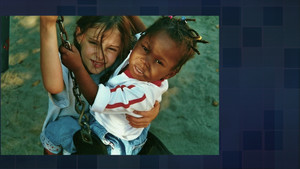
Through Your Eyes
In an effort to understand where she came from, Fabiola asked a question that became the central phrase of the film: what would my life have been like if I'd stayed in Haiti? Taking as her starting point her biological mother's precarious economic situation, she had no choice but to entrust her daughter to her care. Fabiola could have ended up restavek, or in a loving foster family, or on the streets abandoned to her fate, or adopted abroad.
2026

Adoption International: A Global Scandal
In the collective imagination, international adoption evokes images of children being saved from a life of destitution in poorer countries by being adopted by families in Europe or America. But the reality that has emerged is one of child trafficking, falsified documents and governments around the world turning a blind eye.
2024
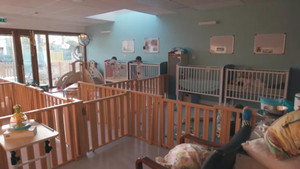
Bébés placés, la vie devant eux
2023
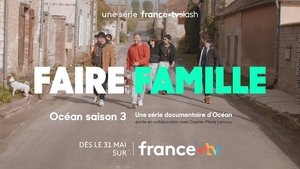
Faire famille
What's it like to "make a family" when you're not part of the traditional hetero couple? Can two best buddies living on the same floor become a family? Océan and his best friend Sophie-Marie Larrouy will question their friendship, their desire for children and their ability to commit to each other, going to meet people who have made families "differently" to draw inspiration from them and invent their own model.
2023
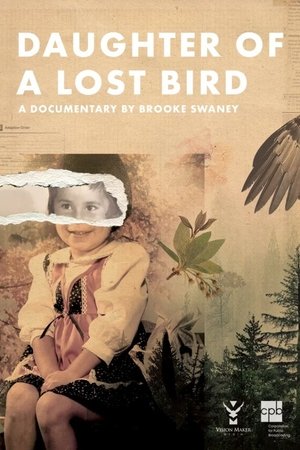
Daughter of a Lost Bird
What does blood have to do with identity? Kendra Mylnechuk, an adult Native adoptee, born in 1980 at the cusp of the enactment of the Indian Child Welfare Act, is on a journey to reconnect with her birth family and discover her Lummi heritage.
2021
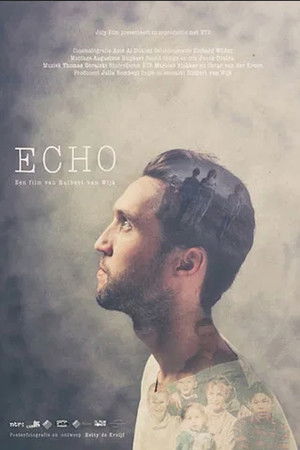
Echo
Through divorce, adoption and second marriages, none of the children in the Van Wijk family have the same biological parents.
2019
Wonder Boy
At age 25, Olivier Rousteing was named the creative director of the French luxury fashion house, Balmain. At the time, Rousteing was a relatively unknown designer, but in the decade since, he’s proven his business prowess and artistic instinct by leading Balmain to new heights. Wonderboy gives the viewer the rare opportunity to experience the inner sanctum of the fashion world, as we stand shoulder-to-shoulder with this extraordinary individual while he works.
2019
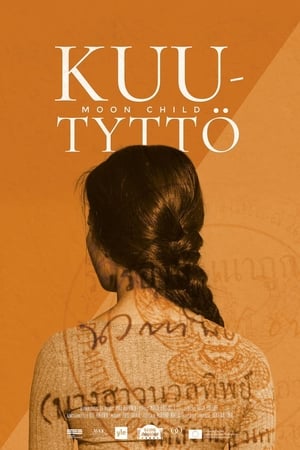
Moon Child
A movie about two women who are mothers to the same child, and a child who belongs to two different worlds.
2018

Dawnland
They were forced to assimilate into white society: children ripped away from their families, depriving them of their culture and erasing their identities. Can reconciliation help heal the scars from childhoods lost? "Dawnland" is the untold story of Indigenous child removal in the US through the nation's first-ever government-endorsed truth and reconciliation commission, which investigated the devastating impact of Maine’s child welfare practices on the Wabanaki people.
2018

On Putin's Blacklist
Traces the new Cold War between Russia and the West from the ban on American citizens adopting Russian children to the Kremlin’s anti-LGBTQ campaign, which positions the international marriage equality movement as a national threat.
2017
The Twinning Reaction
An astounding exposé that gives voice to the unwitting subjects of an infamous American scientific experiment: the 1960s Neubauer-Bernard study of separated twins. Told from the perspective of the Jewish identical twins and triplets who were secretly split up in infancy and adopted through Louise Wise Services, a Jewish adoption agency, the documentary examines the traumatic, long-term effects of the separations — and continuing deception — on the children and their adoptive families.
2017
Adopce: Konkurz na rodiče
2014
Behind the Smoke Screen
2013
Madonna of the Mills
Uplifting tale of Staten Island woman who creates modern underground railroad and rescues 2,000 dogs condemned to death in Amish Country puppy mills. The film chronicles Laura F on her weekend rescue missions to Amish Country. With her Brooklyn mom and Staten Island girl friends by her side, Laura embarks on a four-year odyssey to rescue dogs from the hellish conditions of Amish puppy mills. The film follows four of the dogs from the time their lives are spared until they are nursed back to health and placed with their forever families. We see the dogs leave the cages where they have spent their entire lives and watch these dogs, who were given up for dead, transform the lives of the people who adopt them.
2011
Wo Ai Ni Mommy
From 2000 to 2008, China was the leading country for U.S. international adoptions. There are now approximately 70,000 Chinese adoptees being raised in the United States. Ninety-five percent of them are girls. Each year, these girls face new questions regarding their adopted lives and surroundings. This is a film about Chinese adopted girls, their American adoptive families and the paradoxical losses and gains inherent in international adoption. The characters and events in this story will challenge our traditional notions of family, culture and race.
2010
All My Fathers
Jan's father is not his father at all. The directors knows this and takes this fact as the starting point for a very personal documentary film project about the search for his biological father(s).
2010
Discovering Dominga: A Survivor's Story
Denese Joy Becker, a manicurist living in Iowa, discovers she is indeed Dominga Sic Ruiz, a survivor from a 1982 Guatemalan massacre, when more than 200 people were killed in the small village of Rio Negro, after opposing the construction of a dam, sponsored by World Bank. She then tries to unveil the truth.
2003
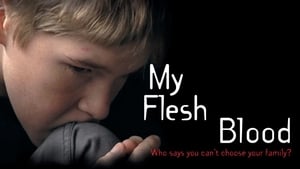
My Flesh and Blood
My Flesh and Blood is a 2003 documentary film by Jonathan Karsh chronicling a year in the life of the Tom family. The Tom family is notable as the mother, Susan, adopted eleven children, most of whom had serious disabilities or diseases. The film itself is notable for handling the sensitive subject matter in an unsentimental way that is more uplifting than one might expect.
2003
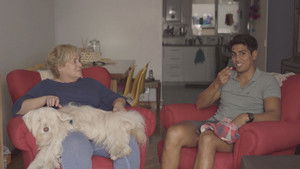
Someone who takes care of me
In Argentina, almost all adopted children are under 5 years of old. Luis and Valeria open the doors of their home and tell us their family story. A true story full of obstacles, fears and love about paths that connect and people who meet by chance.
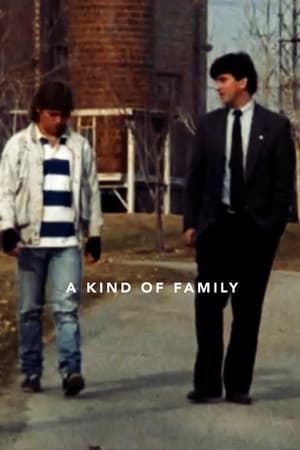
A Kind of Family
This feature documentary tells the complex and touching story of Winnipeg city councilor Glen Murray and his 17-year-old adopted son Mike, whose struggles with addiction and behavioural problems cyclically repeat. Glen, now an Ontario Member of Provincial Parliament, was one of the first openly gay elected politicians in Canada. He adopted Mike during an era when homophobic stereotypes often prevented gay men and women from adopting children. Glen and Mike's relationship is always tenuous and always turbulent as they struggle to define themselves together and alone.
1992