Watch Alardearen seme-alabak (2013) Online Free
An analysis of the controversy over the participation of women in the Irun and Hondarribia festivity known as Alarde. It is divided into three parts: in the first part, the history, structure, and characteristics of the Alarde are explained; in the second part, the beginning of the conflict and its development in the 1990s; and in the third part, the present situation, reflecting on the present and future of the festival.
Cast
Ixabel Alkain, Anjel Alkain, Jon Alkain, Garoa Lekuona, Esteban Lekuona, Ainhoa Ruiz, José Manuel Susperregui, Xabier Kerexeta, José Ramón Otaeg, Lupe Izeta, Margaret Bullen, Enekoitz Urtxegi
More Like This

Looking for Simone
In 1949, philosopher and novelist Simone de Beauvoir wrote the groundbreaking The Second Sex, launching a disruptive discourse on women’s oppression and second-class citizenship. This film dissects the origins and relevance of this bible of feminism, charting de Beauvoir’s fact-finding journey across the US to research her book. The timely and fascinating film honors de Beauvoir’s brilliance and limitations, connecting her revolutionary ideas to the pressing issues women face today.
2024

The Dawn is Too Far: Stories of Iranian-American Life
The Dawn is Too Far: Stories of Iranian-American Life poetically narrates the story of a community of Iranian Americans who have made the San Francisco Bay Area their home over the past five decades. The film explores Iranian immigration through turbulent histories of dissent, revolution, war, and separation, and the reinvention of identity in a new land and culture. The Dawn is Too Far highlights how Iranian students, activists, and artists have navigated displacement while drawing on and influencing Bay Area culture. This community offers a more nuanced story of the Iranian diaspora—the ways that this community enriches the region where they live, work, and build families. The Dawn is Too Far undermines the tired and overplayed news headlines that are dominated by narratives of enmity and mistrust between the government of Iran and the U.S., to offer a more humane understanding of the how people's lives and the sacrifices they make are part of the larger story of immigration.
2024

Pussy Riot: Rage Against Putin
Pussy Riot make a comeback after a long absence to stand with Ukraine. Their story and their struggle are told through archival footage and interviews with the group’s members.
2023
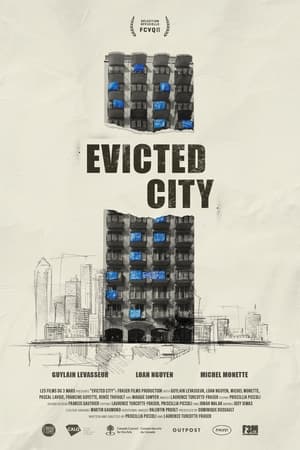
Evicted City
Montreal — one of the few remaining affordable cities in North America — is now in the midst of an unprecedented housing crisis. An intimate portrait of socio-political resistance, this multilayered film explores the human impact of real estate speculation on the cities of tomorrow.
2023
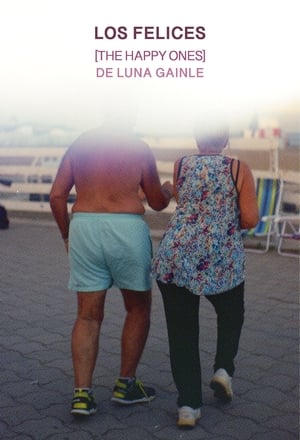
The Happy Ones
A love letter to Mar del Plata made of images, times and a road trip. "The Happy Ones" is an experimental short documentary composed of past and present family footage. It portrays a place in the summer, the city of Mar del Plata, with a span of 20 years between past and present images (January 2000 and 2020). Despite the time that passed by, it's beaches, essence and people remain, always willing to keep dancing.
2021
Zhuang Alliance Group — Archived Live Stream
Josh-awan Bulman details some highlights of the Zhuang Alliance Group's Style Guide.
2020
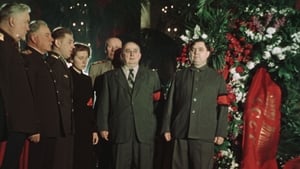
State Funeral
The enigma of the personality cult is revealed in the grand spectacle of Stalin’s funeral. The film is based on unique archive footage, shot in the USSR on March 5 - 9, 1953, when the country mourned and buried Joseph Stalin.
2019
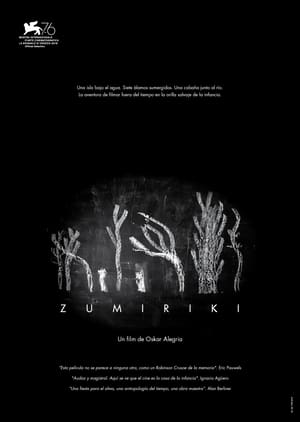
Zumiriki
Is it possible to travel twice to the same memory? The filmmaker built a cabin on an isolated riverbank, just opposite his childhood island, which had disappeared under the water after the construction of a dam. The goal was to go back to that place, which had become invisible. Only the trees of the island where he’d played stood firm in the middle of the water, like the masts of a broken toy boat, so the air was the only space left, the only vestige of the past to be conquered. This film is a diary of a castaway in memories: four months of a Walden experience in a lost paradise with two hens, a small vegetable garden and a clock that stopped forever at 11.36 and 23 seconds.
2019
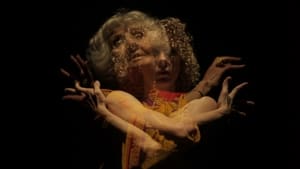
The Euphoria of Being
Alone, Eva Fahidi returned home to Hungary after WWII. At 20 years of age, she had survived Auschwitz Birkenau, while 49 members of her family were murdered, including her mother, father, and little sister. Today, at age 90, Eva is asked to participate in a dance theatre performance about her life's journey. This would be her first experience performing on a stage. Reka, the director, imagines a duet between Eva and a young, internationally acclaimed dancer, Emese. Reka wants to see these two women, young and old, interact on stage, to see how their bodies, and stories, can intertwine. Eva agrees immediately. Three women - three months - a story of crossing boundaries. Whilst the extraordinary moments of Eva's life are distilled into theater scenes, a truly wonderful and powerful relationship forms among the three women.
2019
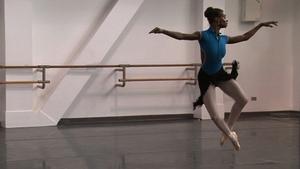
Black Ballerina
BLACK BALLERINA tells the story of several black women from different generations who fell in love with ballet. Six decades ago, while pursuing their dreams, Joan Myers Brown, Delores Browne and Raven Wilkinson confronted racism, exclusion and unequal opportunity. Today, young dancers of color continue to face formidable challenges breaking into the overwhelmingly white world of ballet. Moving back and forth in time, this lyrical, character driven film shows how far we still have to go and stimulates a fresh discussion about race, inclusion and opportunity across all sectors of American society.
2016
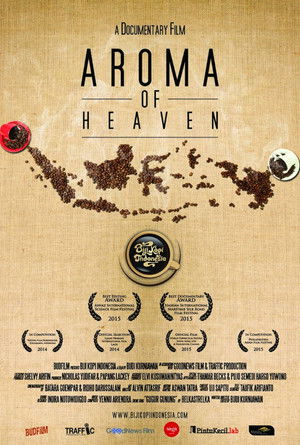
Aroma of Heaven
How well we know our cup of coffee?
2014
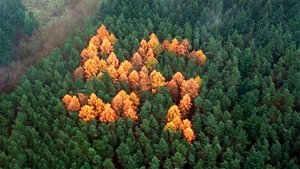
The Story of the Swastika
In the week when Hindus celebrate the holy festival of Diwali, this documentary tells the story of one of their faith's most sacred symbols - the swastika. For many, the swastika has become a symbol synonymous with the Nazis and fascism. But this film reveals the fascinating and complex history of an emblem that is, in fact, a religious symbol, with a sacred past. For the almost one billion Hindus around the world, the swastika lies at the heart of religious practices and beliefs, as an emblem of benevolence, luck and good fortune.
2013
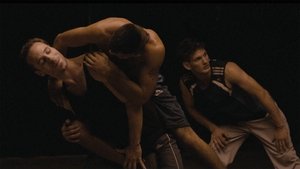
Los posibles
Santiago Mitre co-directs his first movement following The Student together with choreographer Onofri Barbato. Although it would have been more accurate to say “his first film-story-adventure-movie-great movie following The Student”, the word movement fits perfectly in Los posibles, the most overwhelmingly kinetic work Argentine cinema has delivered in many, many years. The film deals with the adaptation of a dance show directed by Onofri together with a group of teenagers who came to Casa La Salle, a center of social integration located in González Catán, trying to find some refuge from hardship. Already entitled Los posibles, the piece opened in the La Plata Tacec and was later staged in the AB Hall of the San Martín Cultural Center. Now, it dazzles audiences out of a film screen, with extraordinary muscles and a huge heart: Los posibles is a rhapsody of roughen bodies and torn emotions. Precise and exciting, it’s our own delayed, necessary, and incandescent West Side Story.
2013

The 11th Hour
A look at the state of the global environment including visionary and practical solutions for restoring the planet's ecosystems. Featuring ongoing dialogues of experts from all over the world, including former Soviet Prime Minister Mikhail Gorbachev, renowned scientist Stephen Hawking, former head of the CIA R. James Woolse
2007
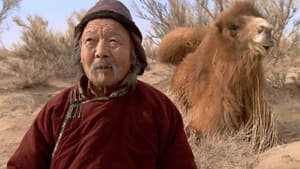
The Story of the Weeping Camel
When a Mongolian nomadic family's newest camel colt is rejected by its mother, a musician is needed for a ritual to change her mind.
2004
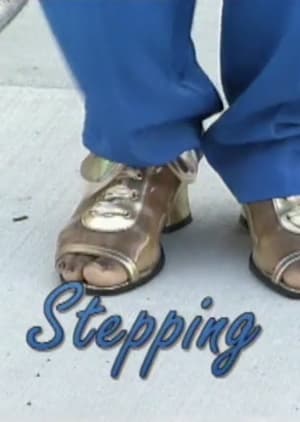
Stepping
Stepping is a dance form that can be found across the country at virtually every college with a substantial African American enrollment. Stepping is performed informally during parties as well as more formally during organized step shows. This film explores this tradition, its historical roots as well as its contemporary forms, styles and uses, to understand how students construct various levels of identity through this dance form…African American identity, fraternity or sorority identity, gendered identity and personal identity. The film goes behind the scenes with the Alpha Phi Alphas as they prepare for a step show that is only a few hours away. Cutting between this show and interviews with current and past steppers as well as footage from previous shows, the film provides a broad picture of this vibrant and dynamic dance form.
1998

Pelota
A documentary view of the Basque ball-game in which a small hard leather ball is hit against a wall. The film gives an impression of the game itself and of those who play it, not only the star performers (and the myths that surround them), but also those who just play in the streets and alleyways. The film sees the game it its cultural context and conveys the emotions and stories that are peculiar to the Basque country.
1983
The Windrush Generation
Will bring together stories that celebrate their contributions to British life and culture, as well as shedding light on the reality of the struggle many faced to gain citizenship despite having lived and paid taxes in the UK for many years as a result of what became known as the Windrush scandal.
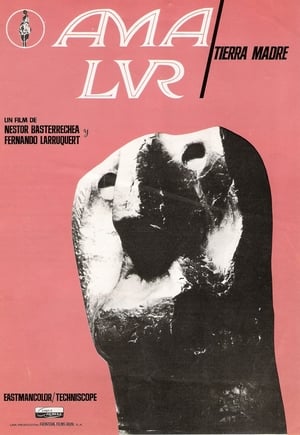
Mother Earth
'Ama Lur' is a documentary, directed by Nestor Basterretxea and Fernando Larruquert, that premiered in San Sebastián in 1968, and it is considered the foundation of Basque cinema.
1968

Appalachian Spring
A filmed version of Aaron Copland's most famous ballet, with its original star, who also choreographed.
1959