Watch Al grito de este pueblo (1972) Online Free
Directed by Bolivian-born filmmaker Humberto Ríos (working from Argentina, where he was based), this 65-minute color documentary chronicles the struggle of Bolivian miners and peasants in the period leading up to the de facto government of dictator Hugo Banzer, who came to power with U.S. backing. The film offers a critical warning about the rise of dictatorships across Latin America, situating Bolivia's social conflict within the broader wave of imperialism and military repression sweeping the region at the time.
More Like This
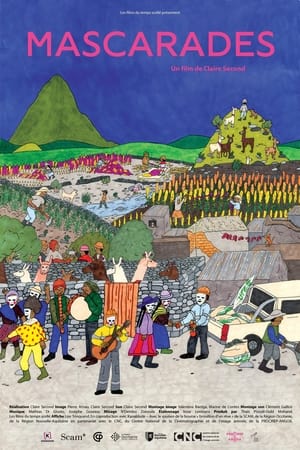
Mascarades
2025

Echando Raíces
2024

Le Baron et l'Empereur : Japon, la voie de la guerre
2023

Mamani in El Alto
His buildings are garish, colorful and completely overloaded. Columns and glittering chandeliers everywhere, and way too much of everything. The Bolivian civil engineer and architect Freddy Mamani Silvestre (*1971) builds houses in El Alto for a nouveau riche upper class of the Aymara, the largest indigenous ethnic group in Bolivia.
2022

Behind the Shield: The Power and Politics of the NFL
Celebrated author and Nation magazine sports editor Dave Zirin tackles the myth that the NFL was somehow free of politics before Colin Kaepernick and other Black NFL players took a knee.
2022

Melting Snow
Two tons of snow—flown from New Hampshire to Puerto Rico in 1952 in order to “gift” Puerto Ricans a “white Christmas”—become a metaphor for the colonialist paternalism of America’s relationship to Puerto Rico.
2021
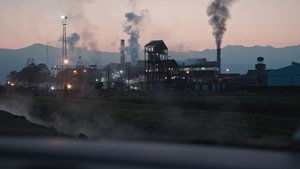
Corporate Accountability
Images of Argentinian companies and factories in the first light of day, seen from the inside of a car, while the director reads out documents in voiceover that reveals the collusion of the same concerns in the military dictatorship’s terror.
2020
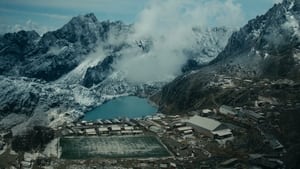
When the Bull Cried
Danger, toil, and superstition pervade life in a mining town high up in the Bolivian mountains. Tin is the heartbeat of the community providing jobs and livelihoods - but at considerable cost. With deaths commonplace, people make offerings to El Tio, the devil under the earth, for protection and good fortune. But when the mountain's flow of tin ebbs, further measures must be taken...
2017
Gringo Trails
Are tourists destroying the planet-or saving it? How do travelers change the remote places they visit, and how are they changed? From the Bolivian jungle to the party beaches of Thailand, and from the deserts of Timbuktu, Mali to the breathtaking beauty of Bhutan, GRINGO TRAILS traces stories over 30 years to show the dramatic long-term impact of tourism on cultures, economies, and the environment.
2014

A Moment Of Silence
2006: Evo Morales, first indigenous President is elected in Bolivia after the 2003 dramatic events following the fall of the President Sanchez de Lozada (exiled in the U.S. since then). The socialist revolution enters in its crucial stage. But dealing with power carries a burden of temptations and pathologies. In four years of shooting between Bolivia and the US this film focus on the difficult path of this unique historical opportunity. The film ends with the recent TIPNIS dramatic indigenous protest which creates an historical circle.
2013

Jaguar's Corner
In 1946, a group of Latvian Brazilian Baptist missionaries arrived to Rincon del Tigre (“Jaguar’s Corner”), in the backwoods of Bolivia, to preach God’s word to the Ayoreo Indians. After sixty years of selfless work in a largely hostile environment, something seems to have gone terribly wrong. Habituated to living under the protective wings of the mission, the Ayoreos seem neither to be willing to support themselves and start living on their own, nor able to return to their traditional way of life in the jungle. Dressed in second-hand clothes, they are stranded in the backwoods of Western-style civilization, with no particular way to go.
2010
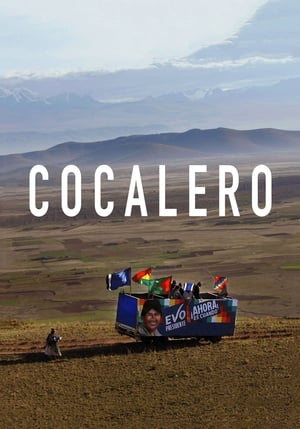
Cocalero
A documentary centered on the union formed by Bolivian farmers in response to their government's (which was urged by the U.S.) effort to eradicate coca crops, and the man who would come to represent them, Evo Morales.
2007
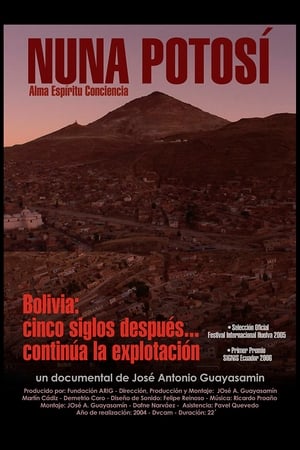
Nuna potosí
In the rich hill of Potosí in Bolivia there is a silver mine that was the largest in the world. It has been exploited since 1546 with the arrival of the Spanish who enslaved the indigenous people to steal the precious metal. To this day, hundreds of meters underground, the indigenous miners continue to exploit the mine in extremely precarious conditions, Martín Cádiz is one of them; hi works in the depths of the hill and desires that his children do not enter these tunnels of hell.
2005
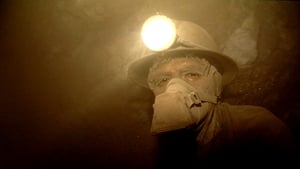
The Devil's Miner
'The Devil's Miner' tells the story of 14-year-old Basilio who worships the devil for protection while working in a Bolivian silver mine to support his family.
2005

Our Brand Is Crisis
A documentary on American political campaign marketing tactics and their consequences.
2005
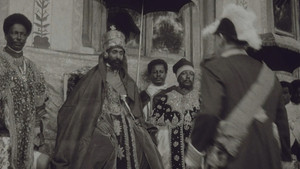
Etiopia 1936: alla conquista dell'impero
By means of a chronological arrangement of historical video material from the Istituto Luce archives, it tells the story of Fascist Italy's ambitions in Africa and the role they played in shaping fascist ideology and the stance of the fascist regime in the Western world at the height of the age of colonialism and aggressive European expansionism.
2004
Sortir la spiritualité autochtone de la clandestinité
1992
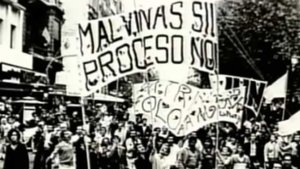
Malvinas: Stories of Betrayals
Malvinas, history of betrayals is an Argentine-Mexican co-production documentary film directed by Jorge Denti from a script by Irene Selzer and Alberto Adellach.
1984
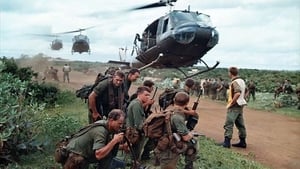
Hearts and Minds
Many times during his presidency, Lyndon B. Johnson said that ultimate victory in the Vietnam War depended upon the U.S. military winning the "hearts and minds" of the Vietnamese people. Filmmaker Peter Davis uses Johnson's phrase in an ironic context in this anti-war documentary, filmed and released while the Vietnam War was still under way, juxtaposing interviews with military figures like U.S. Army Chief of Staff William C. Westmoreland with shocking scenes of violence and brutality.
1974