Watch A Word for Human (2019) Online Free
The library is a stronghold of humanism, but today libraries are more than places for borrowing books. At the Royal Library in the heart of Copenhagen, researchers and intermediaries work side by side with the library's visitors who come to read and study, but also to participate in talks, concerts, lectures and exhibitions that fill the halls all year round. This documentary looks behind the scenes in a year where Marina Abramovic and Olafur Eliasson contribute to the program, and where colonial history and climate change take center stage.
More Like This

The ABCs of Book Banning
In recent years, more than 2,500 books have been removed from school districts around the US, labeled as banned, restricted, or challenged, and made unavailable to millions of students. By no accident, the themes targeted are the usual scapegoats of the American Right—LGBTQ+ issues, Black History, and women’s empowerment—impeding the power of future generations to develop their own thoughts and opinions on critical social issues. By weaving together a lyrical montage of young readers and authors, THE ABCs OF BOOK BANNING reveals the voices of the impacted parties, and inspires hope for the future through the profound insights of inquisitive youthful minds.
2024

Forfulgt af politiet?
2023
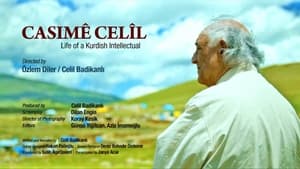
Jiyana Rewsenbireki Kurd: Casimê Celîl
Casimê Celîl was born into a Yezidi Kurdish family in 1908, in a village called Kızılkule, located in Digor, Kars. The village and family life, which he longed to remember throughout his life, ends with the massacre they endured in 1918. During his long road to Erivan, Armenia, he lost all his family members. Left all alone, Casim was placed into an orphanage and was forced to change his name. To remember who he was and where he came from, every morning he repeated the mantra “Navê min Casim e, Ez kurê Celîlim, Ez ji gundê Qizilquleyê Dîgorê me, Ez Kurdim, Kurdê Êzîdî me”, which translates to: “My name is Casim, I am the son of Celîl, I come from the village of Kızılkule in Digor, I am a Kurd, and I am Yezidi”. He clings to every piece of his culture he can find, reads, and saves whatever Kurdish literature or art he comes across. As the year’s pass, Casim finds himself with an impressive collection of Kurdish culture and history.
2021
Den gamle mand og skoven
2020

Forbryder på pension
2017

Fluer i Kødbyen
In 1971 September met four young men in a garden in Gentofte. They wanted to make a band. And they soon found out that they could joke his way to one hit after another. A handful of years later had their playful approach made them Denmark's largest orchestra. But if success came easily to them, it was also their biggest problem. For besides they were hit by alcoholism and stage directing, they faced one overriding dilemma: Should they stick to the happy drengerøvs tone (young men who appear to be young, immature or inexperienced or who behave childishly), they had so much luck, or trying to become adults?
2016
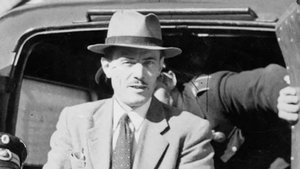
Flugtkongen
2016
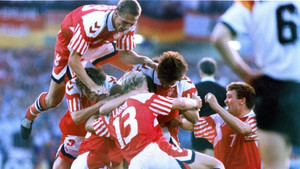
Danish Dynamite
The story about Danish national football (soccer) team, a traditional minnow until the mid-1980s when they improved dramatically and eventually went on to win the European championship in 1992.
2008
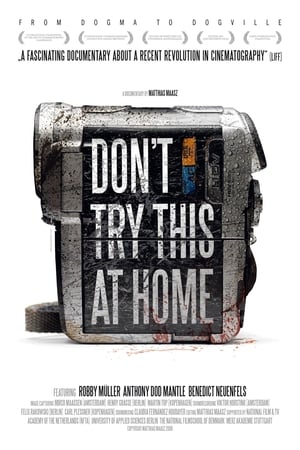
From Dogma to Dogville: Don't Try This at Home
A documentary with the three cinematographers known for breaking away cinema away from celluloid with the introduction of digital video.
2006
Pensionatet
1995
Den store aktion
1994
Pigerne på Halmtorvet
1992
Indre mission
In the West Jutland village of Hanning, there is a small indremissionary community. How everyday life unfolds in such a religious environment is depicted through participation in church services, meetings in the mission house and visits to the villagers. They talk about temptations, their relationship with God and passing on their faith to the next generation.
1986
Soldat for frelseren
1982
Det er godt at have sin egen konto
1974
D'un Céline l'autre
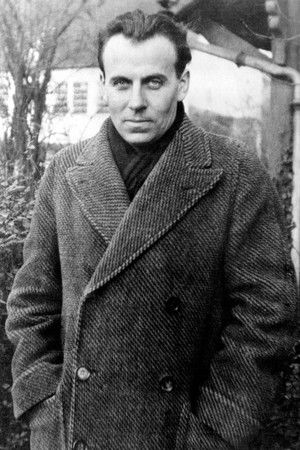
Passers-by, those who knew him in his youth, René Barjavel, witness of his beginnings, his wife, his doctor, writers ... By questioning them Michel Polac tries to better understand the troubled personality of Louis-Ferdinand Céline, Notorious anti-Semite and genius writer.
1969
The Joker of Freetown
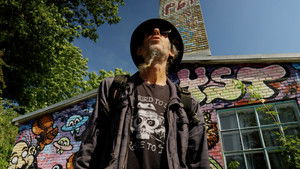
A musician named Joker gives a tour of his home: the Copenhagen anarchist community known as Freetown Christiania.
Gå i kloster
1974
Tove Ditlevsen – jeg har altid villet alting
1973
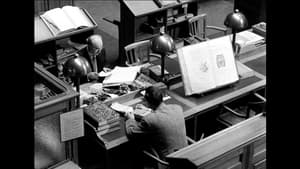
All the World's Memory
A documentary about the Bibliothèque Nationale in Paris. It presents the building, with its processes of cataloguing and preserving all sorts of printed material, as both a monument of cultural memory and as a monstrous, alien being.
1956