Watch A Dream of Iron (2014) Online Free
Korea's past was whale worship; its present is industry. Is the future whales AND industry?
More Like This
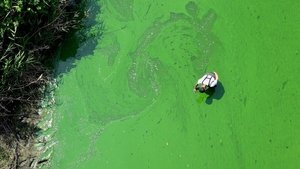
Rivercide: The Secret Six
The Grand Canal project was one of the key pledges of the former President Lee. He first said that he was carrying out a project to save the four rivers but it was a lie. He eventually proceeded the project which was a hotbed of all kinds of irregularities. After ten years, now the river is dying. Some people collaborated to the past regime, and some resisted it. On whom will we stand?
2019

Citizen Roh
In 2008, late President Roh Moo-hyun returned to his hometown Bongha village after his retirement and was joined by supporters as he recreated his hometown and began to clean up the Bonghae Mountain, cultivating Bongha Mountain, and cultivating environmentally friendly rice.
2019
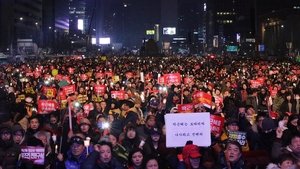
Light A Candle, Write A History - Candlelight Revolution
2018
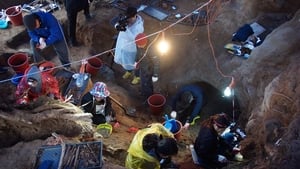
Haewon
According to a survey by the U.S. military government in 1946, 78% of the South Korean people wanted socialism and only 14% capitalism. By appointing the pro-Japanese collaborators and the rightists, Rhee Syngman, who had not received the people's support, massacred those groups and civilians that were political stumbling blocks. In dealing with the Jeju 4.3 uprising in 1947 and the Yeosun incident in 1948 and The Korean War having broken out, massive civilian massacre became regularized.
2018
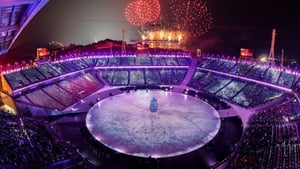
PyeongChang 2018 Olympic Opening Ceremony: Peace in Motion
2018

Myeoneuri: My Son's Crazy Wife
In our 3-year marriage, we have fought on every holiday, on parents' birthdays, during ancestral rituals, and even on Christmas. We argue all the time. The tension between my wife and my mother is killing me.
2018
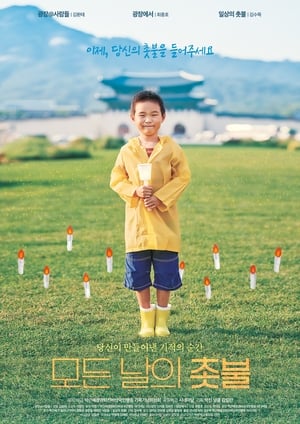
All day candles
2017
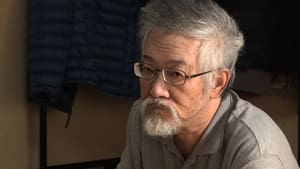
Spy Nation
YU Wooseong who had been working as a civil servant is on trial for espionage following his sibling’s confession. A reporter who has been laid off begins following the traces of a spy story manipulated by a government agency. The clues lead to a confession and false evidence that society and the press have turned their back on.
2016
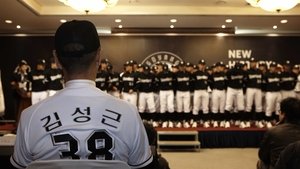
Foulball
2015
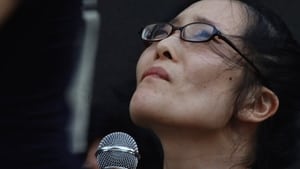
The Empire of Shame
A documentary about the continuing case of Samsung semiconductor plant. The film is a story about nameless people wearing white coat, hat and mask worked in a clean room exposing eyes only.
2014

Aka Dan
YouTube musician and Korean American adoptee Dan Matthews travels to South Korea to perform and reunite with his biological family, including a long lost twin he never knew he had.
2014
Nora Noh
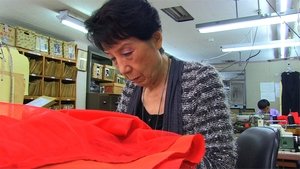
Nora Noh, the best fashion designer, who dominated the scene of Korean women’s fashion and culture of the time. She was the first person ever to hold a fashion show in Korea and to make designer readymade clothes. She boldly dressed the Korean singer Yoon Bok-hee in a miniskirt and styled the duo vocal group Pearl Sisters in pantallong (flare-style pants). One day, when Noh was preparing for her show, a young stylist named Suh Eun-young comes to see her out of the blue. What kind of show will the two of them create amidst their differences and conflicts?
2013

Hundred Years' War in Korea
2012
South Korea: Focused on Excellence
A documentary about the some athletes of South Korea and how can they inspire a new generation.
2010
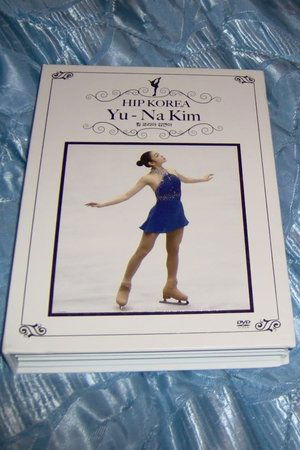
Hip Korea: Yu-Na Kim - Seoul Spirit
STEP INTO THE RINK WITH YU-NA KIM AS SHE AIMS TO MAKE HISTORY AS ONE OF THE WORLD'S GREATEST FIGURE SKATERS
2010
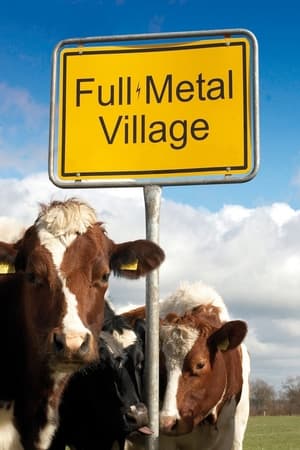
Full Metal Village
The film describes the microcosmos of the small village Wacken and shows the clash of the cultures, before and during the biggest heavy metal festival in Europe.
2007
The Lark Ascending
The Lark Ascending
2007
The Nine Lives of Korean Cinema
South Korean cinema is in the throes of a creative explosion where mavericks are encouraged and masters are venerated. But from where has this phenomenon emerged? What is the culture that has yielded this range of filmmakers? With The Nine Lives of Korean Cinema, French critic, writer and documentarian Hubert Niogret provides a broad overview but, nevertheless, an excellent entry point into this unique type of national cinema that still remains a mystery for many people. The product of a troubled social and political history, Korean cinema sports an identity that is unique in much modern film. Niogret's documentary tells of the country's cinematic history - the ups along with the downs - and gives further voice to the artists striving to express their concerns, fears and aspirations.
2005
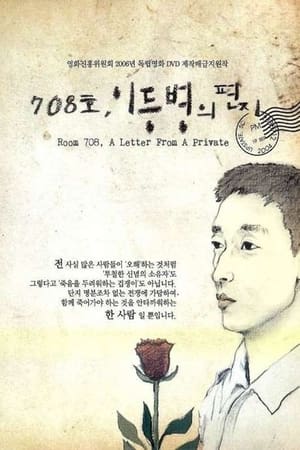
Room 708, A Letter from a Private
A documentary about the 8-day sit-in struggle by GANG Cheolmin, a 22 year-old private in the South Korean army who declared his objection to military service on November 21, 2003 in order to stop the South Korean government from sending troops to Iraq, and the peace groups supporting him.
2004
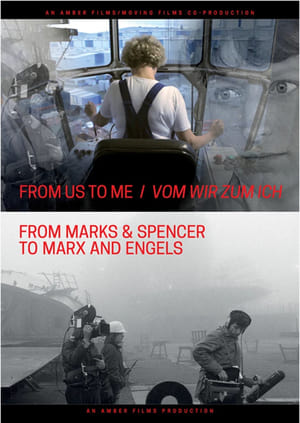
From Us To Me / Vom Wir zum Ich
This first co-production between the GDR and Great Britain is intended to contribute to an understanding of the situation and attitudes of millions of working people in opposing social orders. Using the example of shipyard workers, fishermen, the brigade and family of a trade union active cook and unemployed person of various ages and professions in Newcastle on the one hand and a brigade of crane operators of the Warnowwerft and fishermen of the Warnemünde cooperative on the other hand, insights into the way of life and attitudes of people of our time are to be conveyed.
1988