Watch 13. Parteitag der Liberal-Demokratischen Partei Deutschlands, Weimar 1982 (1982) Online Free
Loading Cinehub...
Report from the party congress of the Liberal Democratic Party of Germany (LDPD) from April 5 to 7, 1982 in Weimar.
Cast
Manfred Gerlach
More Like This
Echo
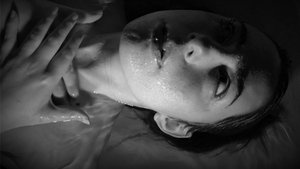
A reframing of the classic tale of Narcissus, the director draws on snippets of conversation with a trusted friend to muse on gender and identity. Just as shimmers are difficult to grasp as knowable entities, so does the concept of a gendered self feel unknowable except through reflection. Is it Narcissus that Echo truly longs for, or simply the Knowing he possesses when gazing upon himself?
2023
Presos del silencio
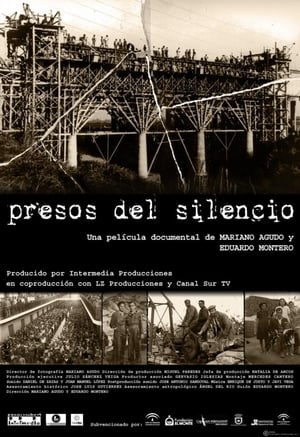
2004

Decasia: The State of Decay
A meditation on the human quest to transcend physicality, constructed from decaying archival footage and set to an original symphonic score.
2002
Berlin ohnegleichen - Vom steinernen Anspruch auf ein Weltreich
The architectural plans for Berlin from 1938 are used as an example to illustrate the fascist claim to power and its aesthetic effect. The basis for this was the "General Building Inspection" under the direction of Albert Speer, whose enormous projects are illustrated by planning models and archive photographs.
1989
Erfurt - Gesichter eines Bezirkes
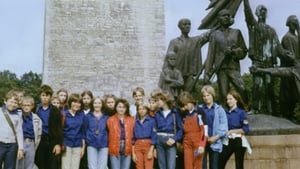
Documentary film about the agricultural and industrial district in Thuringia. The focus is on the district town of Erfurt, with Gotha, Eisenach and Weimar as other towns worthy of mention and steeped in tradition. This documentary, which has the characteristics of a promotional film, still bears witness to the wealth of its owners and the cities, but more than ever to all those who used their skills in the context of monument protection in the GDR to restore these buildings with their Gothic and Renaissance splendor and preserve them for posterity forever.
1987
The Police Tapes
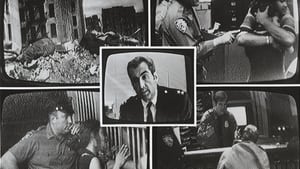
Filmmakers Alan and Susan Raymond spent three months in 1976 riding along with patrol officers in the 44th Precinct of the South Bronx, which had the highest crime rate in New York City at that time.
1977
Everyday Life
Dialogue-free short detailing the daily tasks of a man and his wife.
1976
The Incredible Bread Machine Film
A discussion of the economic and political ideas presented in the book "The Incredible Bread Machine".
1975

Florence
Florence is a contemplative study of light and shadows, textures and planes, that makes beautiful use of the tonal qualities of black and white film. (mubi.com)
1975
Angkor - Ein Urwaldgeheimnis in Kambodscha
An overview of the ruins of Angkor, the former capital of the Khmer Empire.
1956
Leonardo da Vinci
This documentary tells the story of the brilliant Italian polymath, artist, sculptor, painter, poet, musician, writer, philosopher, scientist, botanist, geologist, cartographer, mathematician, anatomist, paleontologist, architect, urban planner, engineer, and inventor. The legacy of the brilliant Leonardo (1452-1519) to the world came in many forms: in the breathtaking beauty of The Last Supper and The Mona Lisa; in his rich collection of engravings; and in his notes on original thoughts on astronomy, biology, and physiology.
1952
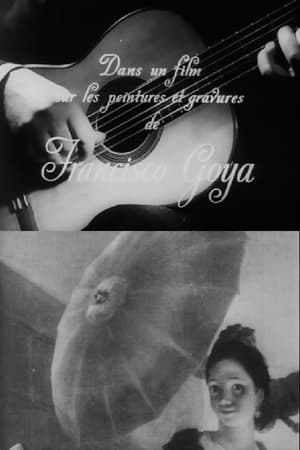
Goya
Presents life in 18th century Spain as the painter Francisco de Goya showed it to us.
1950
Ansichten von Stuttgart
Stuttgart in the mid-1930s: What did it look like in the past, what does it look like now and what will await the city in the future?
1936
Stuttgart, die Großstadt zwischen Wald und Reben
Hans Schilling, who emigrated to Chile shortly before World War 1, comes from Valparaiso to visit his old hometown of Stuttgart after an absence of almost 22 years. His brother Georg Schilling, who stayed in Stuttgart, picks him up at the train station. He proudly shows the homecomer the prospering, Swabian metropolis, followed by impressions of the city's architecture, economy and culture.
1935
Die grüne Hölle
Expedition into the Amazon river and its rain forests
1934
Visions of Lourdes
Charles Dekeukeleire, then a questioning Catholic, was spurred into making this documentary on a pilgrimage with the Catholic Young Workers’ Movement. The director’s approach is one of critical reflection; A film emotional and fervent, even acerbic.
1932
Man with a Movie Camera
A cameraman wanders around with a camera slung over his shoulder, documenting urban life with dazzling inventiveness.
1929
Berlin: Symphony of a Great City
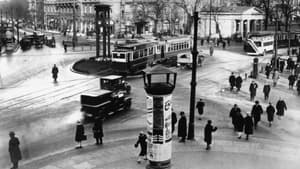
A day in the city of Berlin, which experienced an industrial boom in the 1920s, and still provides an insight into the living and working conditions at that time. Germany had just recovered a little from the worst consequences of the First World War, the great economic crisis was still a few years away and Hitler was not yet an issue at the time.
1927
The Dangers of the Fly
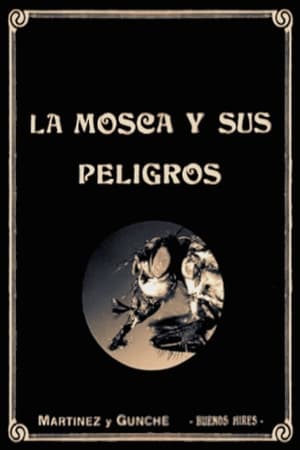
The Dangers of the Fly is an educational film made by Ernesto Gunche and Eduardo Martínez de la Pera, also responsible for Gaucho Nobility (1915), the biggest blockbuster of Argentinean silent cinema. De la Pera was a talented photographer, always willing to try new gadgets and techniques. This film experiments with microphotography in the style of Jean Comandon's films for Pathé and it is part of a series which included a film about mosquitoes and paludism and another one about cancer, which are considered lost. Flies were a popular subject of silent films and there are more than a dozen titles featuring them in the teens and early twenties.
1920
Carmencita
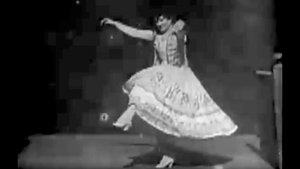
The first woman to appear in front of an Edison motion picture camera and possibly the first woman to appear in a motion picture within the United States. In the film, Carmencita is recorded going through a routine she had been performing at Koster & Bial's in New York since February 1890.
1894